Surgeon shares what every GLP-1 patient should know as millions are losing weight

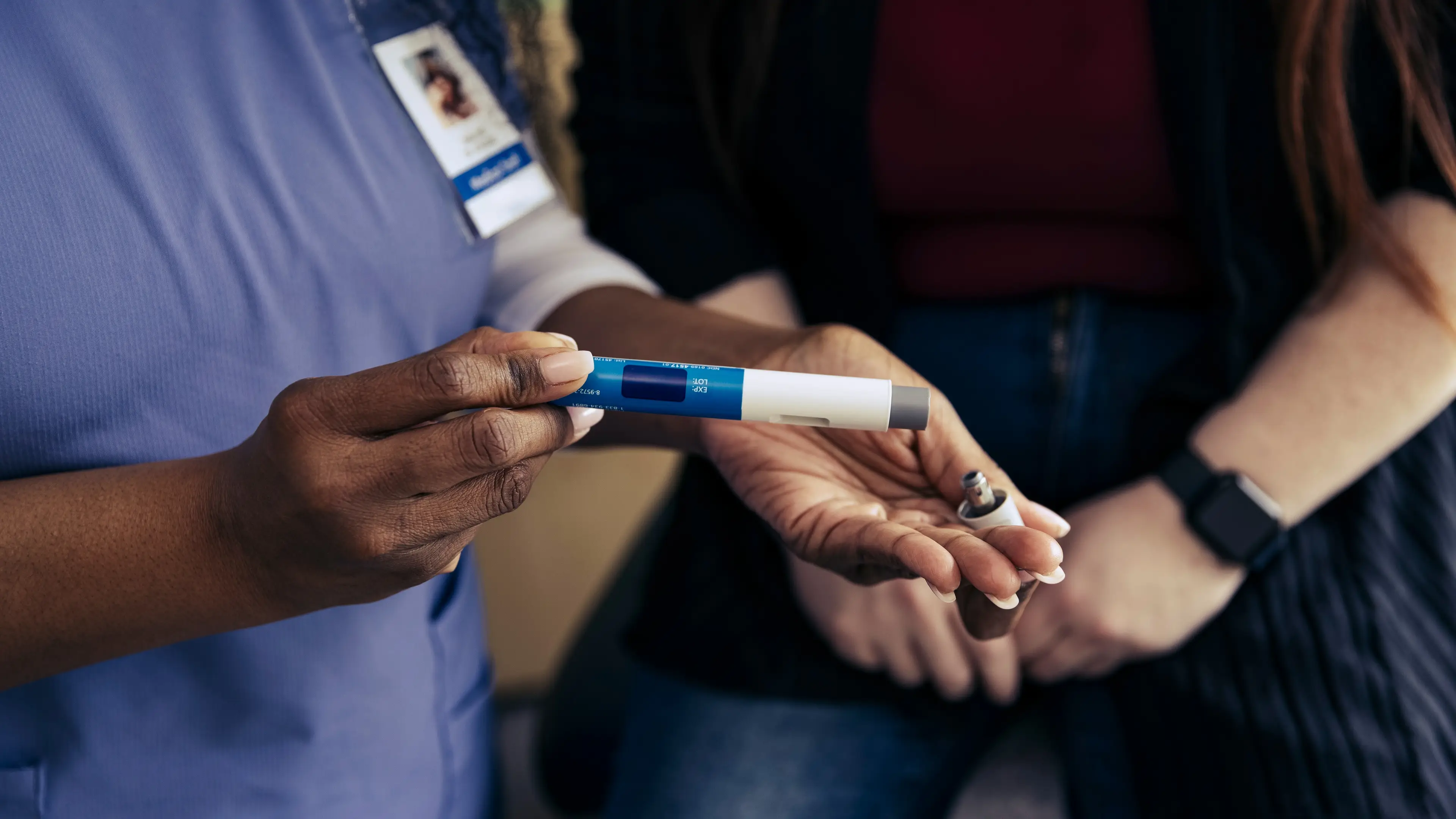
A few years ago, many of us didn't even know what a GPL-1 drug was. Now, it's part of our daily vocabulary, as millions of Americans use them to aid weight loss. However, a surgeon has now shared information every user should know...
GPL-1 drugs such as Ozempic and Mounjaro are drugs intended to be used by people with type two diabetes to help lower their blood sugar levels, although many have adopted it to aid weight loss.
Many have successfully shed the pounds with the drugs, which reduce a users food intake, appetite and hunger.
But what about the rest of your body? What happens to your bones, joints and muscles when that weight is shed?
Advert
Well, orthopedic surgeon Dr. Brian Nwannunu has told Yahoo! creators exactly what he believes every patient should know...
How GPL-1 medications benefit joints
First of all, the doc tells the outlet that he believes the drugs 'are great for the right patient,' but with everything, things aren't as black and white.
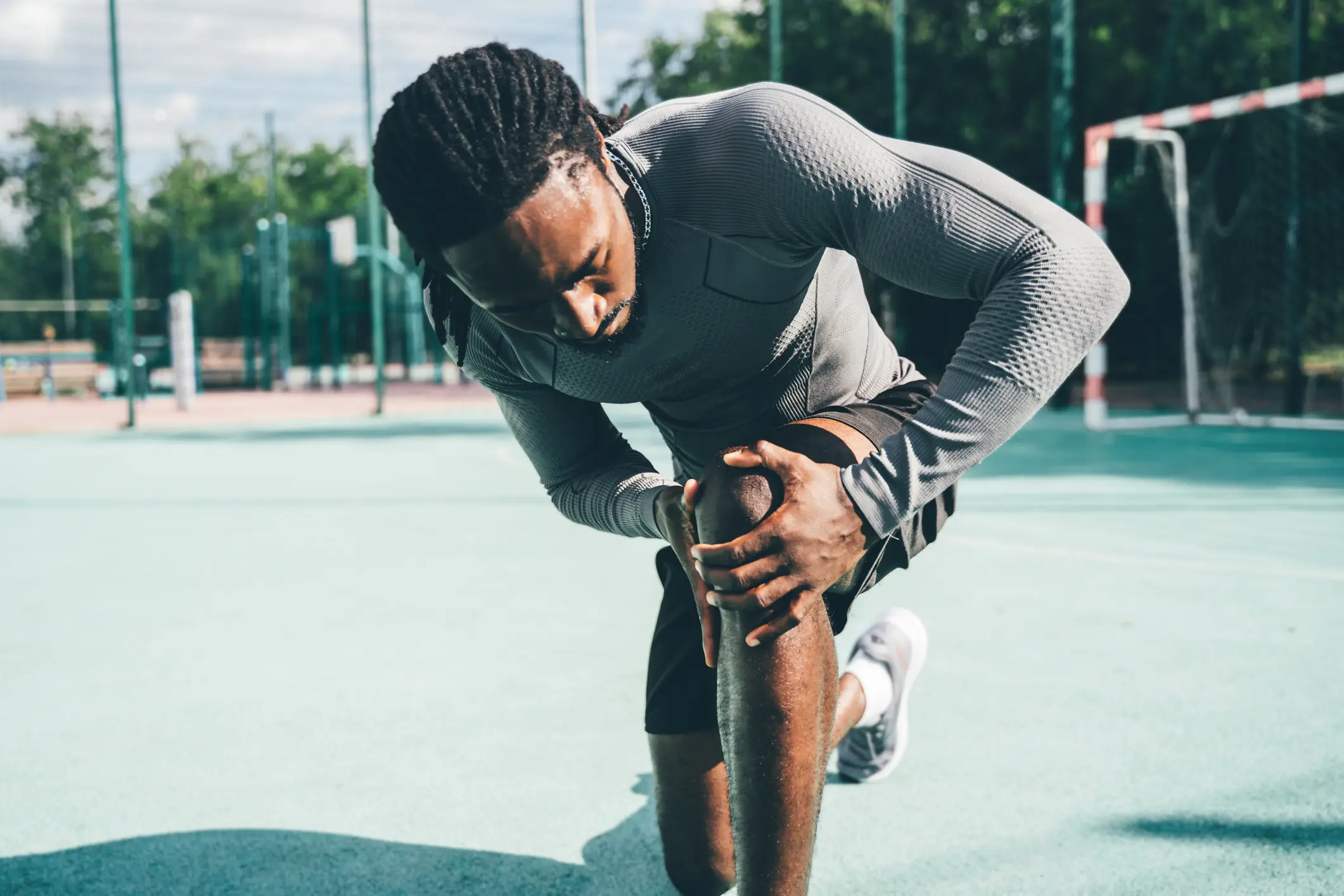
The doc explains that the weight loss effects of these drugs are great for your joints. "For every one pound of extra body weight, four times the amount of force is exerted through the knee joint," he tells the outlet, saying the pain relief can be 'life-changing' for users.
'Weight loss reduces muscle mass'
Here's where it gets a little bit more negative. Although these drugs help patients to lose fat, along with this, comes the loss of muscle.
"Too much muscle loss can affect joints and bone density. For some, that can lead to joint injuries or even fragility fractures," Dr. Brian Nwannunu tells Yahoo! creators.
As per Cleveland Clinic, Osteoporosis 'is a disease that weakens your bones and makes them much more likely to fracture.' Those over 50, and postmenopausal women are most at risk.
Therefore, if they're also taking GPL-1 medication, the risk can be much higher.
Research is still limited, but research presented recently at the American Academy of Orthopaedic Surgeons’ annual meeting, as reported by NBC News, showed these drugs may be linked to a higher risk of Osteoporosis.
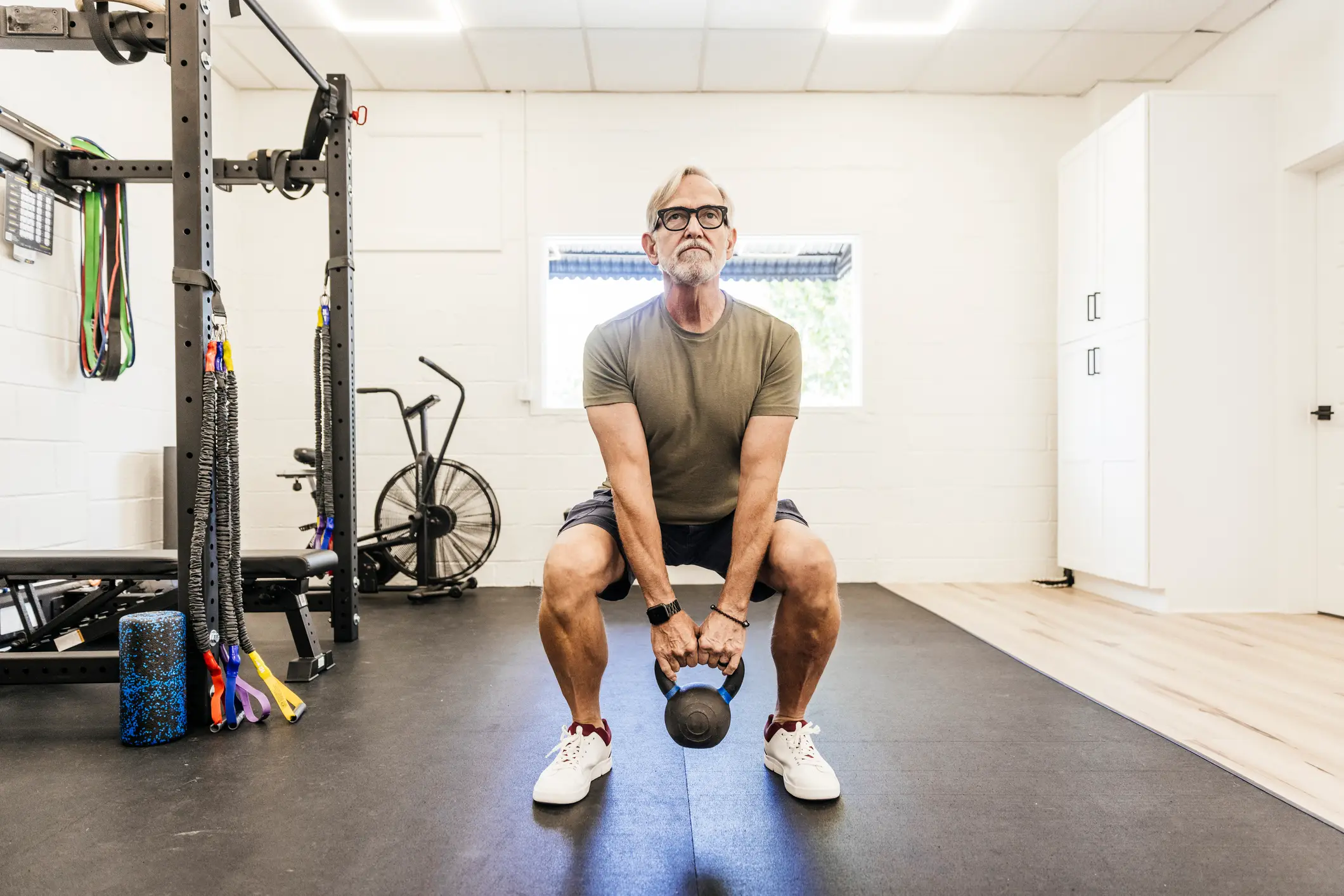
Dr. Brian Nwannunu recommends these most at risk make sure they're getting enough protein, as well as taking part in resistance training.
For those who aren't avid gym goers, resistance training refers to exercise where you work against some kind of force. It doesn't have to be heavy weights. It could be simple as your own body weight by using equipment such as resistance bands.
As always, those with any questions or concerns should consult their doctor.
Topics: Ozempic, Weight loss, Health, Fitness
 Kiesha Dosanjh