Doctor reveals why your weight loss may have stalled on GLP-1 medication and how to get moving again

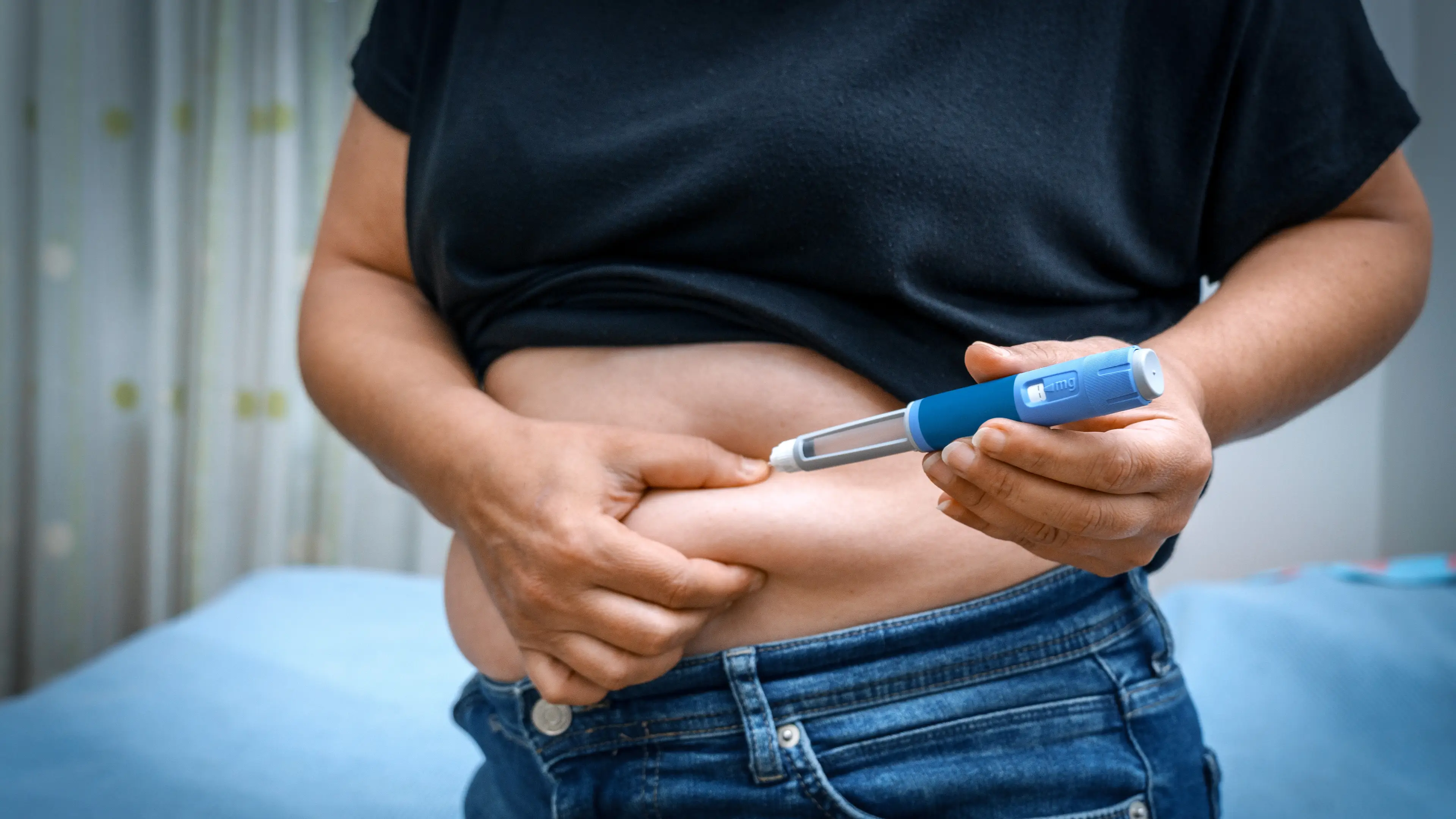
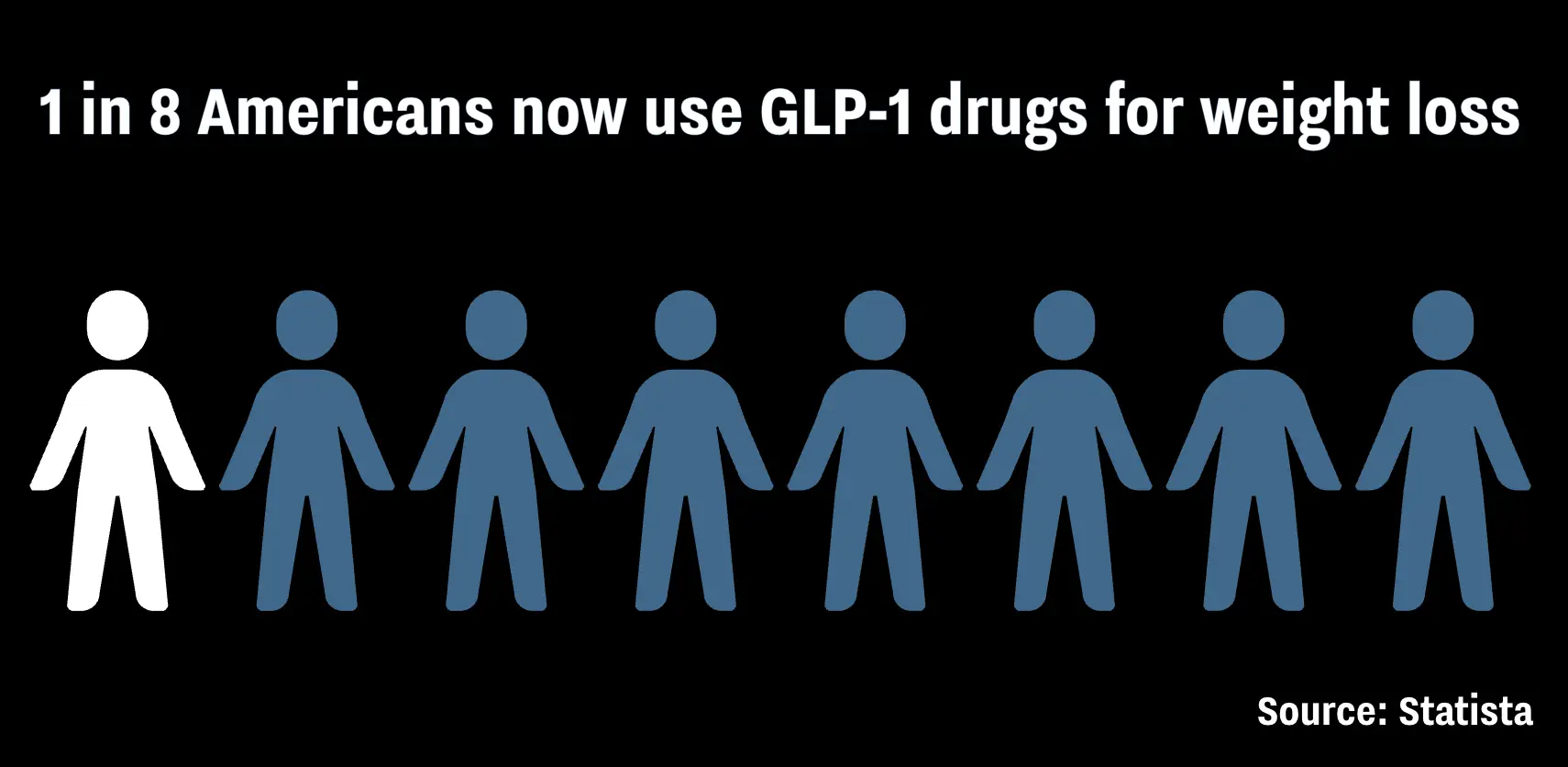
While GLP-1 drugs are now one of the most popular and sought-after methods of weight loss, many users have reported a 'stall in progress'.
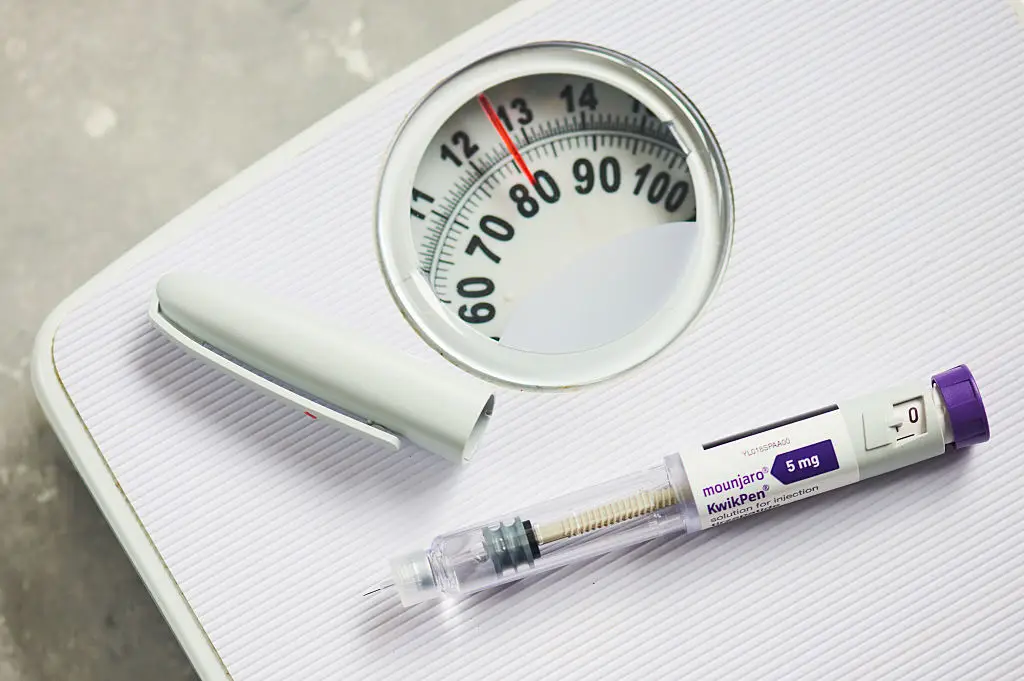
GLP-1 drugs, including Ozempic and Mounjaro, were originally intended to treat people with Type-two diabetes to help lower their blood sugar levels - thought as we all know now, many have adopted it to aid weight loss.
However, some users of these drugs have found that their weight loss has stalled, despite continuing to use them.
"Most people reach a plateau in the middle of their journey on GLP-1s, as the body adjusts and finds ways to become more efficient," Dr Grace Lim, a triple board-certified obesity medicine specialist told the Daily Mail.
Advert
It's here when the doctor says people begin asking for higher doses. Not only that, some may even inject extra shots.
However, the doctor warns that doing this can, and has 'led to serious side effects' which can include 'nausea, vomiting, abdominal pain, low blood sugar, dizziness and dehydration'. She also tells the outlet that some patients trying this have even ended up in hospital.

Why does the 'weight-loss plateau' happen?
According to Dr Lim, 'the body's natural instinct is to preserve fat,' due to energy. Therefore, it 'adapts to to limit further weight loss,' even interpreting a lesser calorie intake as a 'threat,' and metabolism begins to slow, as well as hunger increasing.
“The plateaus tend to happen after the patient loses a significant amount of weight and is getting closer to a healthy weight,” Dr. Ali told Medical News Today. “The body is tending to hold on to calories to preserve itself.”
Dr. Jason Ng told the publication that the flatline happens when 'your body’s energy burn equals energy being added through food'.
Dr. Ali says he usually sees this happens at around the 60 weeks mark.
How to combat the plateau safely
Docs say that the best way to combat this is to 'significantly alter energy balance,' such as increasing physical activity.
Resistance training, such as weights, are key during weight loss, 'as it helps preserve lean muscle mass and maintain metabolic rate,' Bolt Pharmacy suggests.
Dr Lim explains that losing lean muscle mass can slow down metabolic rate, again, making it more difficult to lose fat.
She also recommends 'consuming around 1.2g of protein per kilogram of body weight each day,' alongside the training. However, this can vary between patients, and is best consulted with a dietician - especially those with kidney disease.
Keeping up a healthy lifestyle, including hydration, quality sleep may also help, due to the effects they have on effects on cortisol levels.
As always, those with any health questions or concerns should contact their doctor or healthcare professional.
Topics: Health, Ozempic, Weight loss
 Kiesha Dosanjh