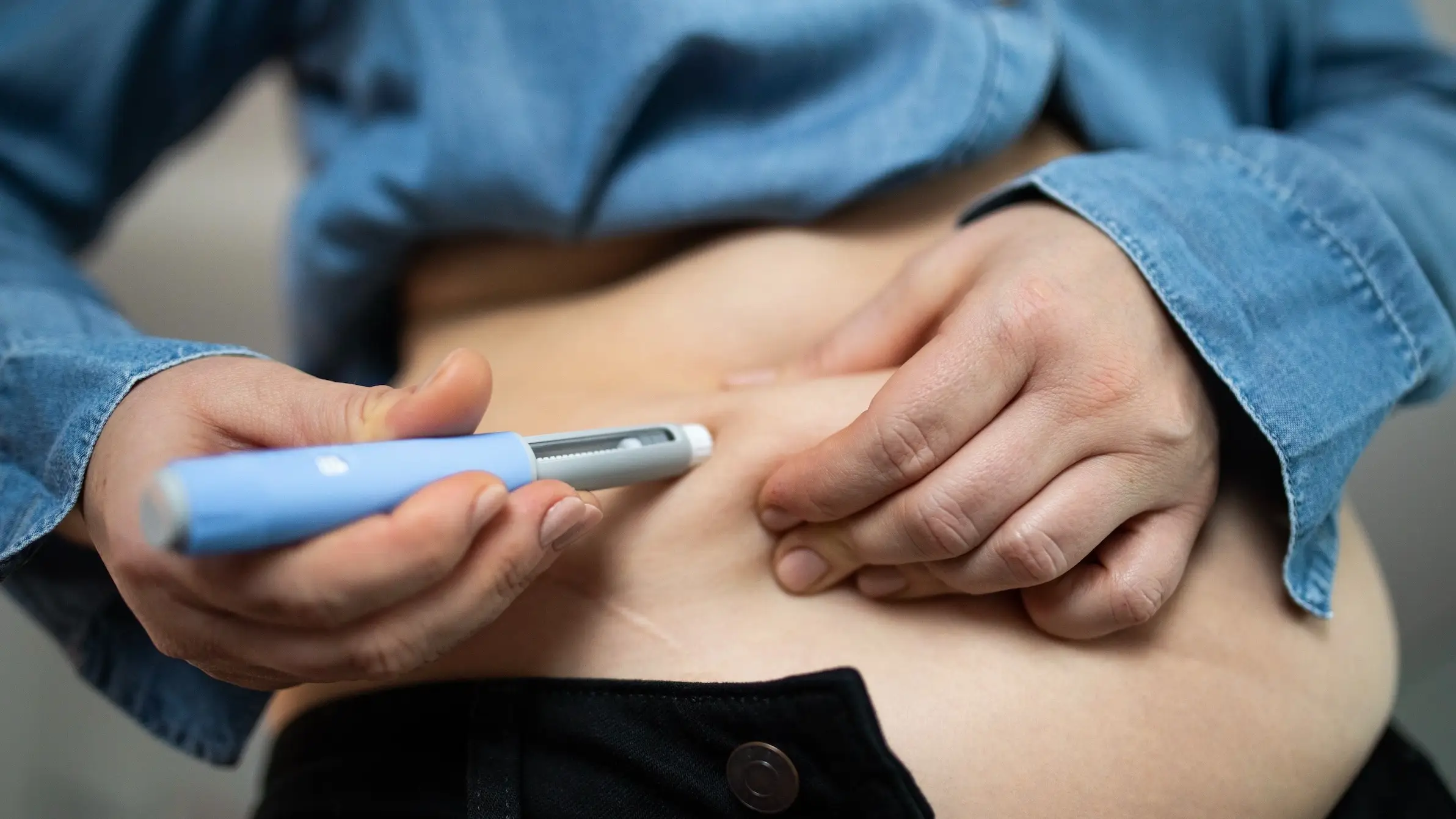
'Ghost fat' is the unexpected side effect of injectable weight loss drugs

'Ghost fat' has been revealed as a surprising side effect of using GLP-1 medications to aid weight loss, as a study reveals one in eight Americans admit to having used the drugs.
It's widely reported that the use of GLP-1 medications such as Ozempic and Wegovy for weight loss has been increasing, while the drugs were first created to help treat the symptoms of type 2 diabetes.
And scientists claims that despite their original intended use, the majority of people are now using them for obesity management - particularly in the US.
As more and more research is conducted into the long-lasting side effects, a clearer picture of the risks and benefits is beginning to emerge, and healthcare providers are refining their guidance.
Advert
Commonly known side effects include loss of appetite, nausea, vomiting, diarrhea, dizziness, indigestion, and more.
But there's a little-known side effect called 'ghost fat' that people may be struggling with after losing weight using the medication.

Also known as 'phantom fat', it refers to patients who have lost a considerable amount of weight but still see themselves as having a larger body.
Psychology Today likens this side effect to phantom limb syndrome - when someone loses a limb, the drastic physical change can sometimes lead to them still feeling that it’s there.
But 'ghost fat' doesn't just happen after losing weight with GLP-1 medications, but with all dramatic weight loss that happens quickly rather than gradually.
Speaking on Jesse Weber Live, obesity medicine specialist Dr. Terry Dubrow explained: "When you lose weight on a regular diet and exercise program, 75 percent is fat, 25 oercent is muscle.
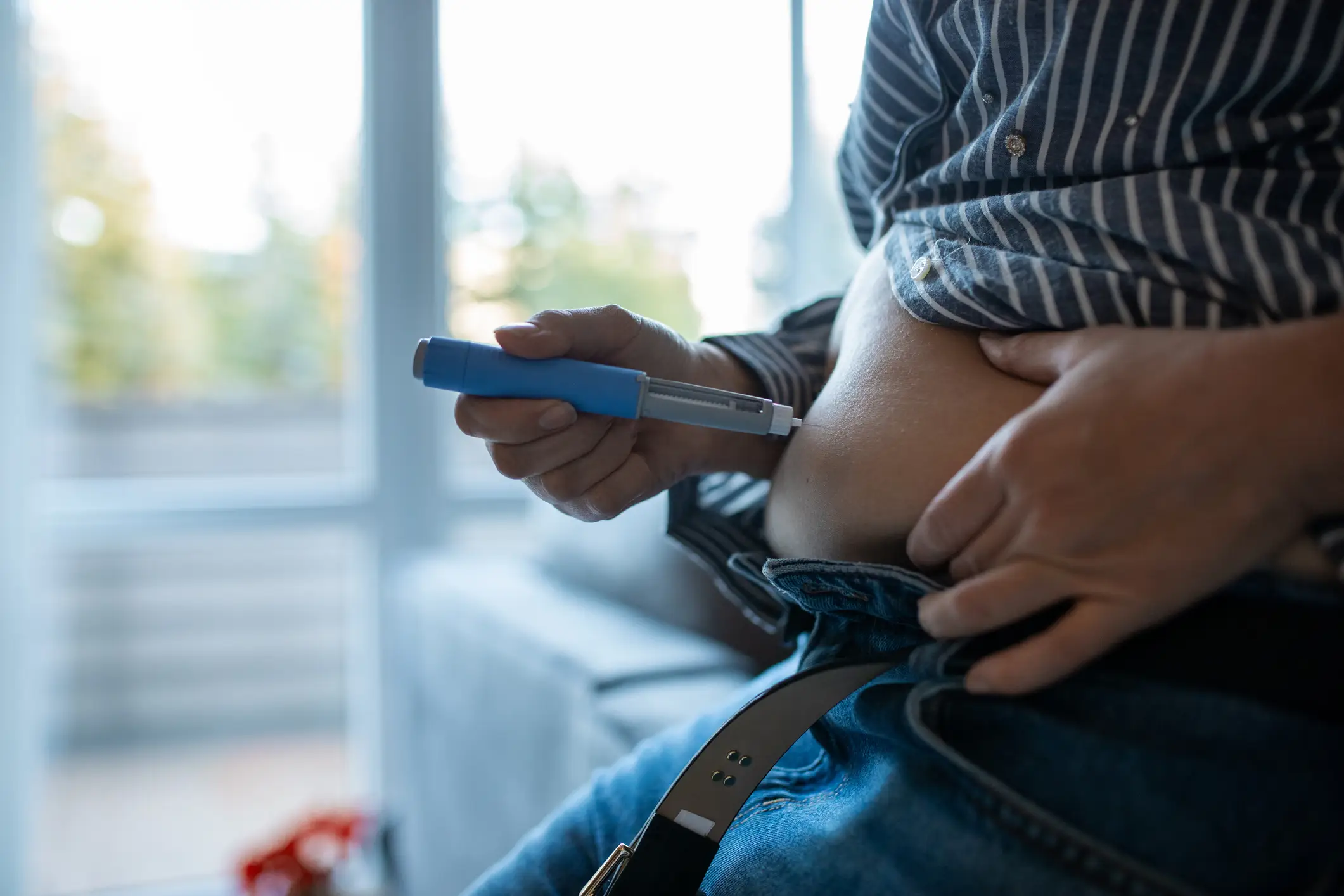
But when you lose weight with a GLP-1 drug like this, it’s 50 percent muscle and 50 percent fat. So, it’s a different kind of weight-loss distribution; it takes a little bit of time to re-equilibrate. So, it’s important to be patient."
However, the expert claimed that the sensation with eventually disappear with time, as the brain eventually begins to comprehend the new version of the body.
The disconnect can cause those struggling with 'phantom fat' to instinctively behave as though they still carry the extra weight, influencing everyday decisions such as buying clothes in larger sizes, avoiding tight spaces, or feeling self-conscious about their appearance.
UNILAD have reached out to Novo Nordisk for comment.
Topics: Health, Ozempic, Weight loss
 Mia Williams