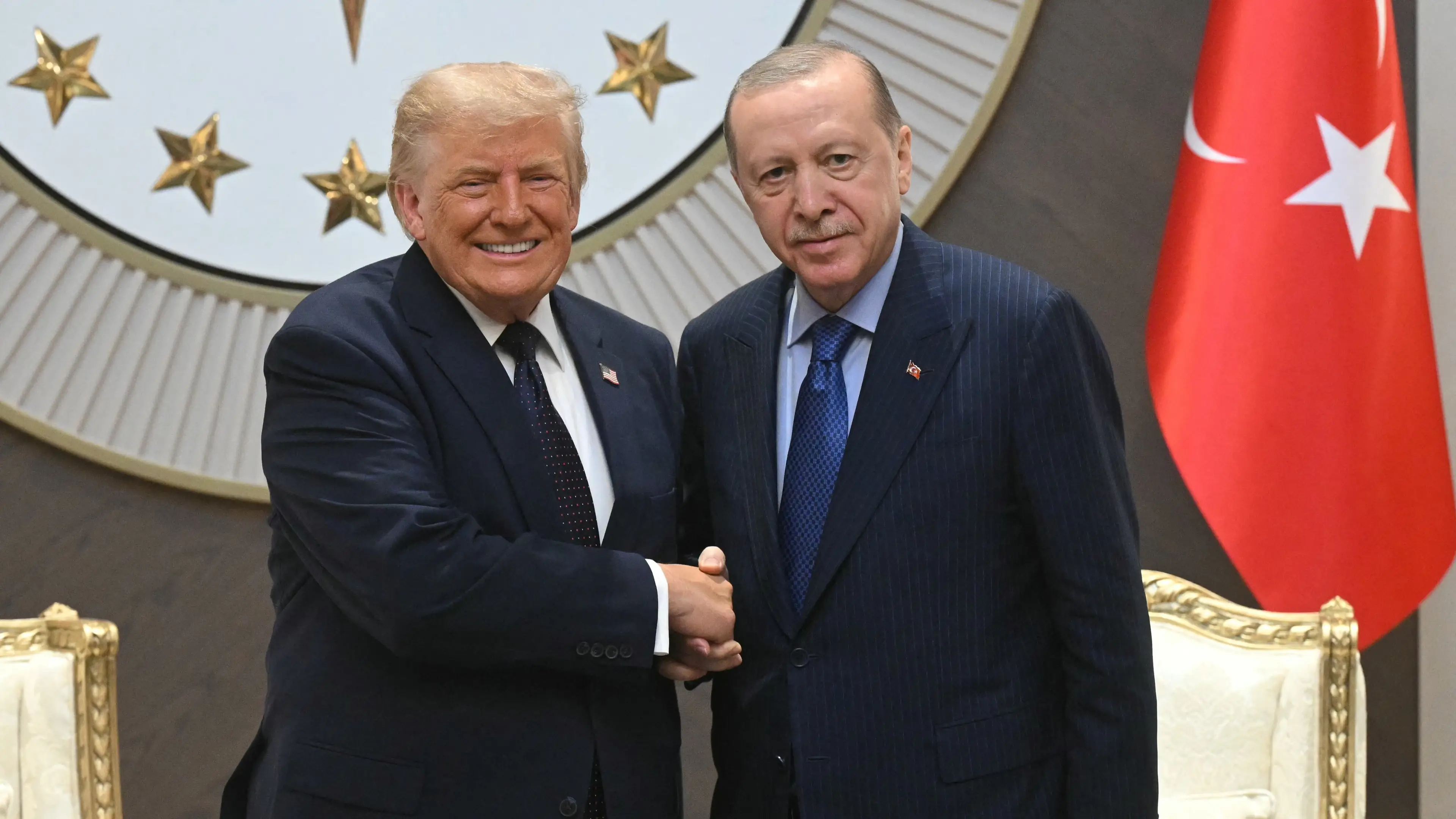
Donald Trump's poop will be flown back to US during visit to Turkey as part of long-standing practice

Donald Trump is set to touch down in Ankara for the NATO Leaders Summit on July 7-8, bringing with him a delegation of around 1,400 people, including politicians, diplomats, military officials and CIA personnel.
According to a detailed report from Turkish outlet T24, the visit will mark the first time a sitting US president has set foot in the Turkish capital in roughly 17 years.
The last to do so was George W. Bush, who stopped in Ankara ahead of the 2004 NATO summit in Istanbul. Barack Obama made a brief working visit in 2009 but never returned as president, Trump didn't visit Turkey at all during his first term, and Joe Biden never made the trip either.
But it's not just the historic nature of the visit turning heads. As with previous presidential trips abroad, one particular security measure has raised eyebrows.
Advert
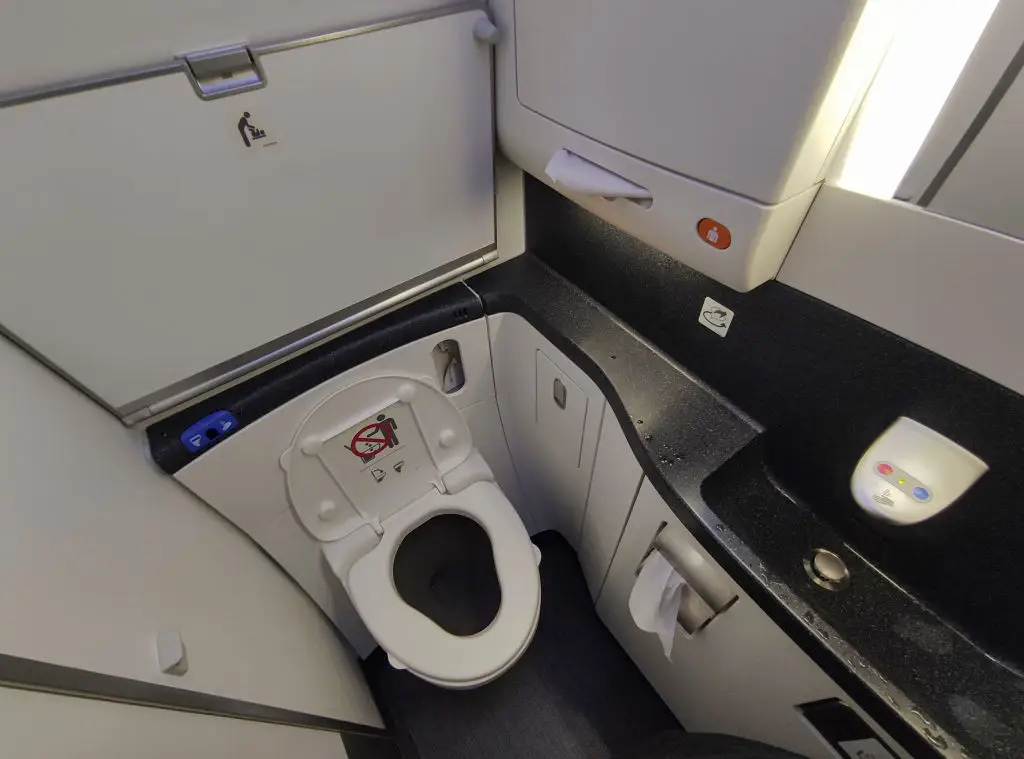
Secret Service to fly Trump's toilet waste back to the US
In line with long-standing protocol, the Secret Service will bring Trump's personal toilet system with them to Ankara, ensuring all waste produced by the president during the trip is collected and flown back to American soil rather than entering local sewage systems.
The measure is designed to prevent foreign intelligence services from analysing the president's biological material.
It's a practice with a long and murky history among world leaders. Vladimir Putin, who Kremlin-watchers claim may be battling cancer, reportedly has a dedicated team retrieve his waste whenever he travels abroad.
Experts say stool samples can reveal a surprising amount about a person's health, including evidence of chemotherapy treatment, and similar tactics have allegedly been used on other world leaders throughout history, including Mao Zedong, Hafez al-Assad and Mikhail Gorbachev.
Trump's own presidential limousine will also be flown in from the US, while the Secret Service is expected to deploy close-range security drones, although it remains unconfirmed whether drone operations will be authorised in Turkish airspace.
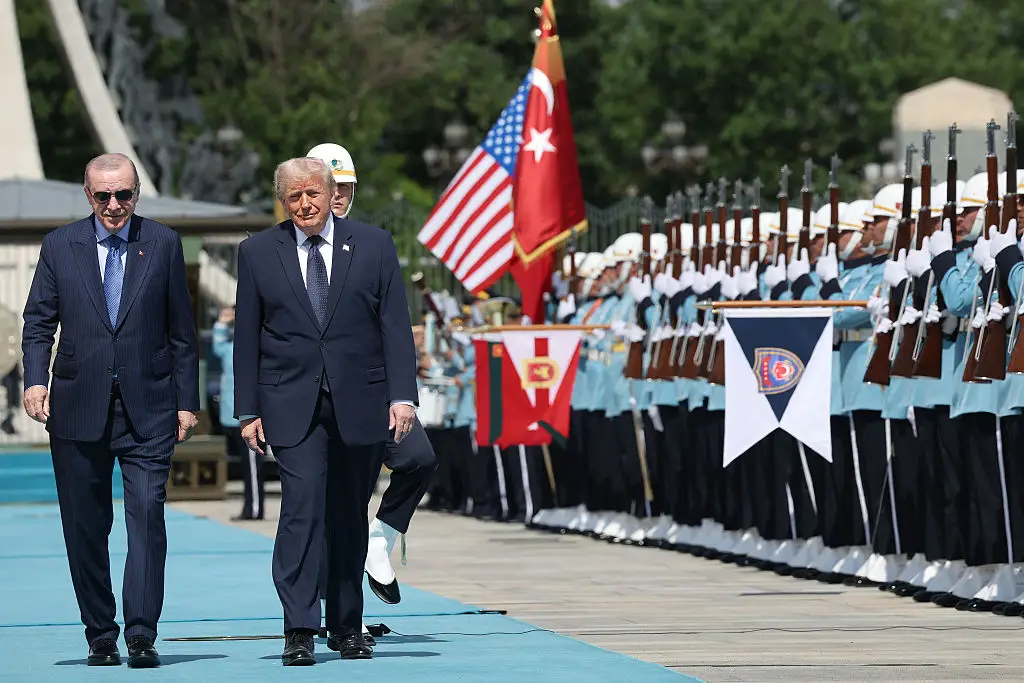
44,000 police officers deployed as roads shut across Ankara
The scale of security extends well beyond Trump's own delegation. Turkey's Interior Ministry is deploying 44,000 police officers across Ankara for the summit, made up of 24,000 from the city's own force and 20,000 transferred temporarily from departments nationwide, alongside gendarmerie units securing entry and exit points to the city.
Roads across Ankara's western and southern districts are expected to face repeated closures throughout the summit period, with some routes sealed entirely and major shopping centres potentially suspending operations.
More than 100 delegations are expected to attend, including defence ministers, foreign ministers and military chiefs of staff.
The summit arrives amid the ongoing Russia-Ukraine war and a fresh US-Iran framework agreement aimed at ending their conflict and reopening the Strait of Hormuz, giving this year's gathering an unusually packed agenda.
Topics: Donald Trump, World News
 Thomas Bamford