
Scientist explains how ‘game-changing’ weight loss drug could let people lose weight without losing muscle

Gwyneth Paltrow and neuroscientist Dr. Andrew Huberman have been discussing a new weight loss drug, and it sounds like it could change everything we thought we knew about fat jabs.
The pair got into a deep dive on retatrutide on the Goop Podcast.
Retatrutide is the latest development in GLP-1 (glucagon-like peptide-1) therapies, which have become a massive talking point in the world of biohacking, longevity and wellness in recent years, despite coming with a fair share of side effects.
Huberman explained that first-generation weight-loss drugs were effective at curbing users' appetites, but they often plunged people into huge, rapid caloric deficits.
Advert
Without serious resistance training to counteract this, a large chunk of the weight lost ended up coming straight from lean muscle rather than fat.
"People would lose a ton of weight, but they would also lose muscle mass," Huberman told Paltrow.
That's apparently where retatrutide comes in. Unlike older weight loss medications that only target one or two hormones, retatrutide is what's known as a triple agonist, meaning it activates the body's receptors for glucose-dependent insulinotropic polypeptide (GIP), GLP-1 and glucagon all at once, three hormones that play a role in regulating blood sugar, appetite and metabolism.
What is the 'Godzilla' jab and how does it work?
You might have heard retatrutide referred to by a slightly more dramatic nickname: the 'Godzilla' jab, or 'Triple G'. The name comes from the fact it targets three hunger-regulating hormone receptors simultaneously, something the CDC has described as representing a "groundbreaking advancement" in the treatment of obesity and type 2 diabetes.
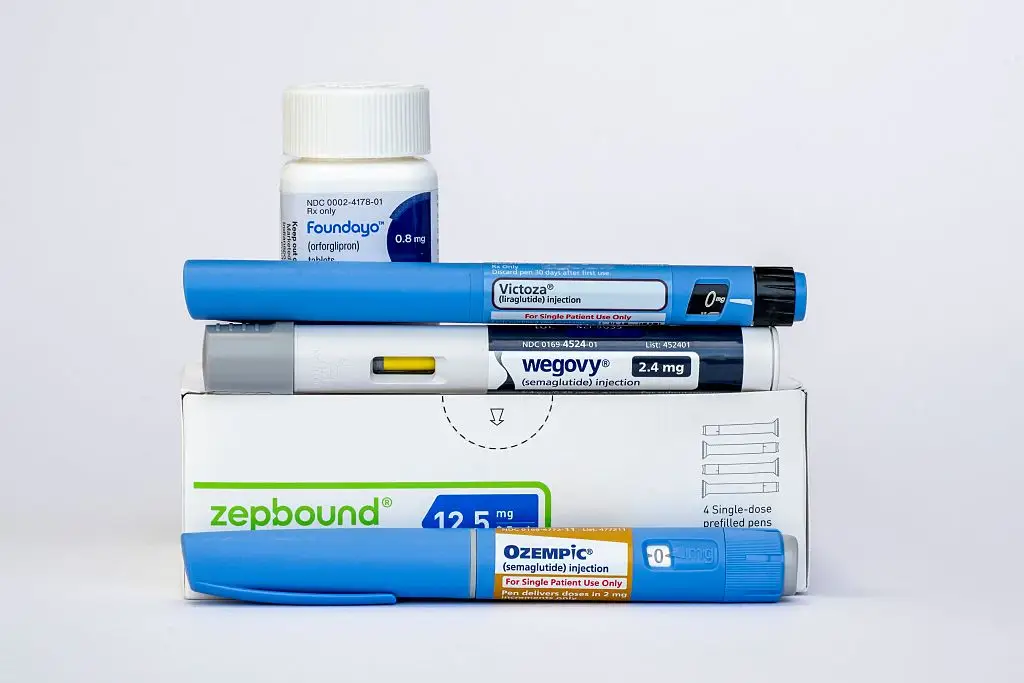
Huberman described it as 'a more mild agonist of GLP-1' that also increases glucagon and GIP, hitting three different pathways "each a bit more subtly" than existing drugs like Ozempic or Zepbound. Because of this more balanced, multi-receptor approach, he said the drug has a "lower side effect profile", while still allowing users to lose up to a third of their body weight over the course of roughly a year.
Most notably for anyone interested in fitness or longevity, Huberman pointed out that retatrutide appears to have "some muscle sparing effect," something that's been largely missing from earlier generations of these treatments.
Is retatrutide available to buy yet?
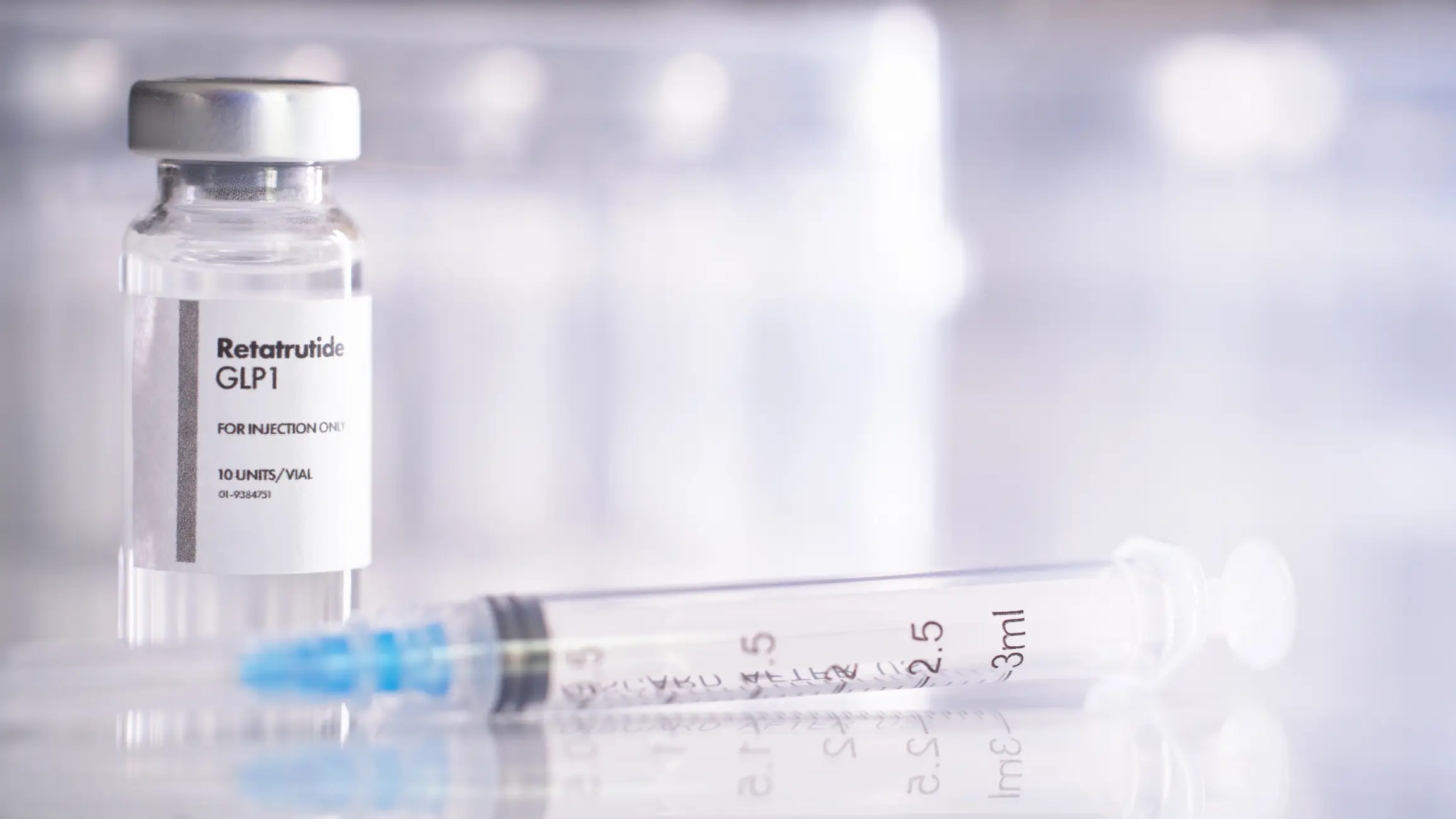
Despite the buzz, retatrutide has not been approved by the FDA and is still working its way through Phase 3 clinical trials, where it's being studied for effectiveness and safety in type 2 diabetes, as well as conditions including chronic low back pain and cardiovascular and renal outcomes.
Once trials wrap up, manufacturer Eli Lilly will still need to formally apply for FDA approval, a process that typically takes around a year. If everything stays on schedule, the drug could realistically hit the market in 2027 or 2028.
Because the drug is still tied up in official pipelines, a sizeable gray market of compounding pharmacies and online peptide suppliers has sprung up to meet demand from people unwilling to wait.
In a statement to LADbible Group, Eli Lilly issued a firm warning about this, saying: "Retatrutide is an investigational medicine, available only in Lilly's clinical trials. It has not been approved by any regulator, anywhere. No one can legally sell it for human use. 'Research use only', counterfeit, and black market medicines are untested, unregulated and potentially dangerous."
Huberman echoed those concerns during the podcast, warning specifically about unregulated online sources.
"They can say 99% purity, but that 1% means there could be some LPS," he said, referring to lipopolysaccharides, a type of bacterial toxin.
"LPS will cause inflammation. One injection isn't gonna do it, but multiple injections over time, I could see where that could become problematic."
Paltrow agreed, comparing the current peptide craze to the unregulated supplement industry of the 90s, "where there's really no third-party testing and it's kind of word of mouth."

Both she and Huberman were in agreement that anyone considering these therapies should steer clear of unverified sellers and speak to a medical doctor first.
As for the results so far, they've been striking.
Earlier this month, Eli Lilly revealed that the drug delivered average weight loss of 28.3% over 80 weeks in its Phase 3 TRIUMPH-1 trial, which involved 2,339 obese and overweight adults dealing with weight-related illness unconnected to diabetes.
Participants lost between 19 and 28 per cent of their body weight on average, shedding an average of 9.5 inches from their waistlines in the process.
Among those on the 12mg dose, 65.3% had achieved a BMI below 30 by the 80-week mark.
As with any medication, though, retatrutide isn't without its downsides, with reported side effects including nausea, vomiting, diarrhoea and constipation.
UNILAD has contacted Eli Lilly for further comment.
Topics: Weight loss, Gwyneth Paltrow
 Thomas Bamford