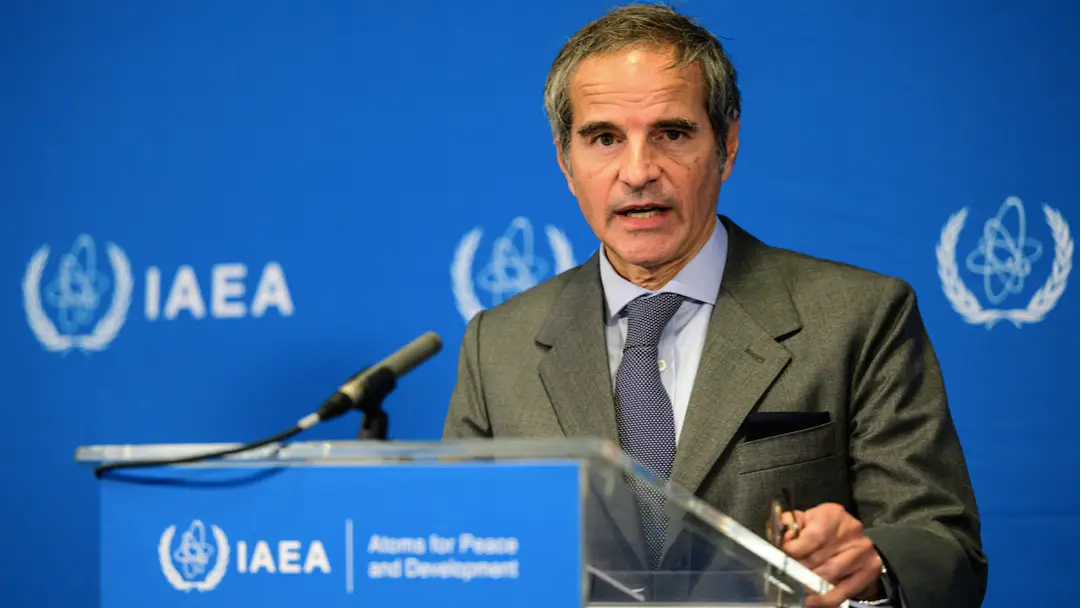
UN chief warns world is facing 'extremely dangerous' nuclear arms race

The Director General of the International Atomic Energy Agency, Rafael Grossi, has warned that the world is entering an ‘extremely dangerous’ new phase of nuclear competition amid rising global tensions.
Grossi warned that the world is at risk of a new global nuclear arms race amid rising conflicts and instability.
This could lead to ‘as many as 20 states’ pursuing nuclear weapons. Grossi warned this growing instability had left the world in a ‘very, very fragile position’ and a ‘crack in the system’ could make nations racing towards nuclear capability.
“There are all these things which fill me with concern because I believe that a world with 20 nuclear weapon states or more would be extremely dangerous,” Grossi told The Telegraph.
Advert
He also shared his concern that an increasingly unstable world ‘might lead to a situation where several countries might say one day, we do not feel safe. We do not feel sufficiently protected’.
Grossi added that he believed the ‘current atmosphere of fragmentation, conflict, polarisation’ had led to talk of nuclear armament.
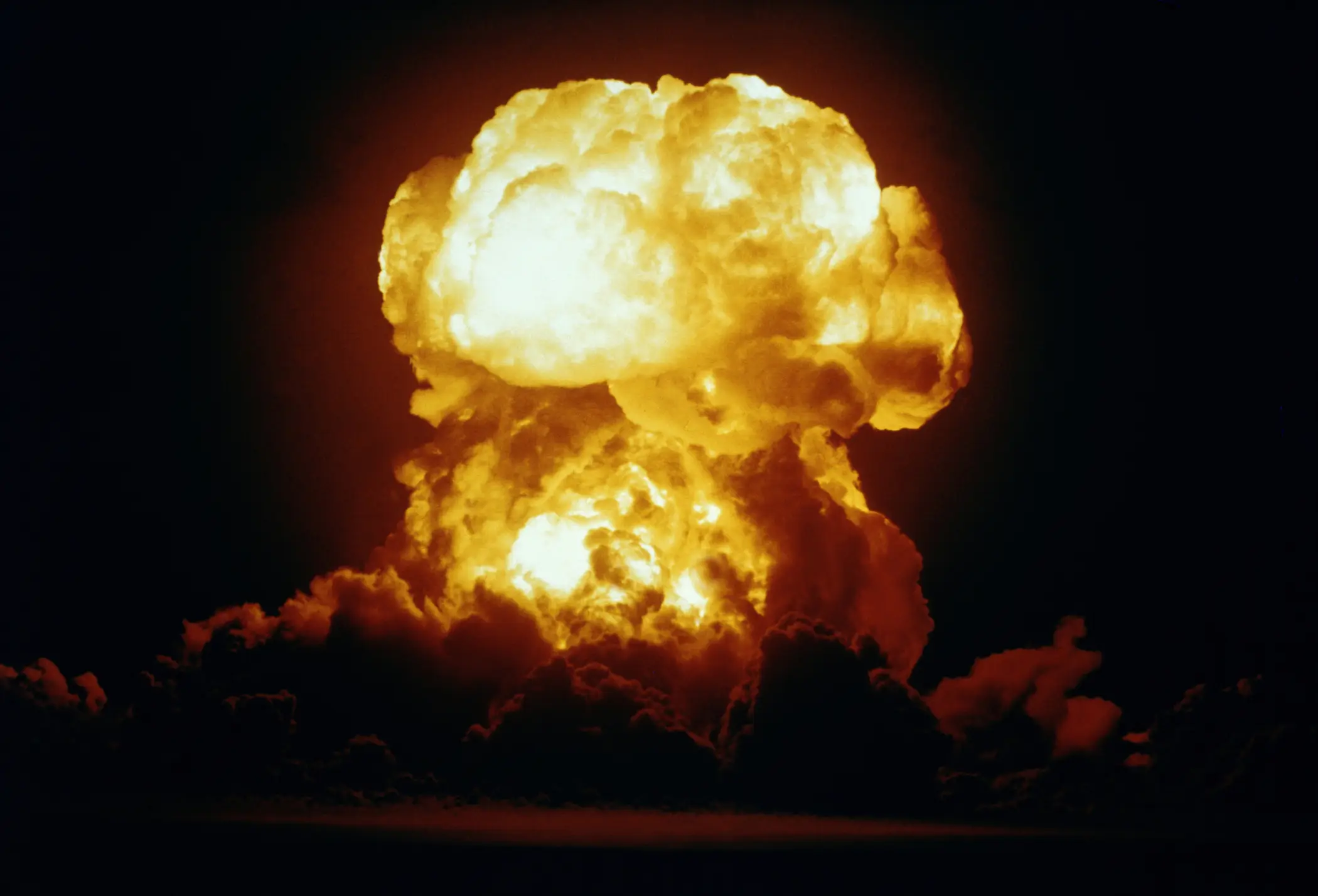
Although there are countries that are signed up to the Treaty on the Non-Proliferation of Nuclear Weapons, the possibility of breaking its rules is no longer seen as impossible.
Rafael Grossi said that in parts of 'Europe, Asia Minor and the Far East,' some countries are engaged in public discussions about the possibility of nuclear weapons, including what he described as 'friendly proliferation'.
This term is used to describe the idea that allied countries might be allowed to share or indirectly support the development of nuclear weapons.
Reinforcing the importance of containing nuclear capabilities was extremely important, Grossi warned.
There are five recognised nuclear states - the U.S., Russia, China, France, and the United Kingdom.
India, Pakistan, North Korea, and Israel are also understood to have nuclear weapons.
Altogether, the nine nations collectively hold an estimated 12,300 warheads as of 2026. Most nuclear‑armed states provide minimal public information about the size and composition of their arsenals.
Rising disputes between nuclear-armed states have heightened fears of potential escalation. Ongoing crises, including the Russia-Ukraine war, escalating tensions between the United States, Israel, and Iran, and the conflict between Israel and Hamas, underscore the persistent threat of a broader international conflict.
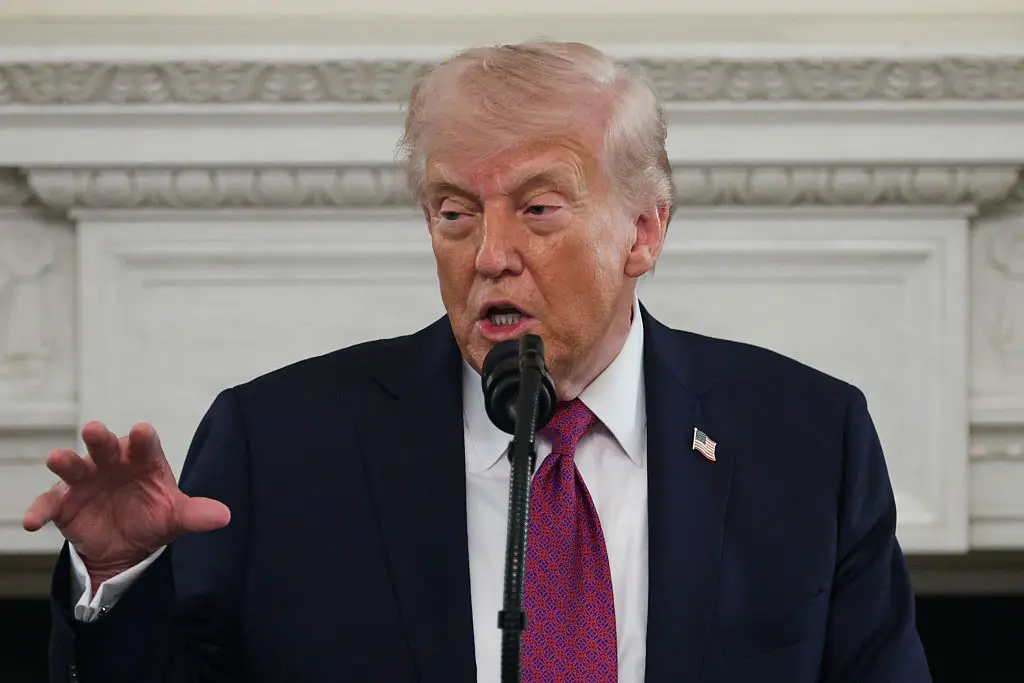
The conflict between the U.S., Israel, and Iran is partly linked to concerns over Iran’s nuclear programme. Trump has said that Iran must dismantle its existing nuclear capabilities and commit never to pursue nuclear weapons.
Topics: US News, World News
 Greg Harris