
'Maple syrup urine disease' explained and signs it can turn fatal

 Niamh Shackleton
Some people might be born with something known as maple syrup urine disease (MSUD), while others develop the condition later on in childhood.
The extremely rare condition affects around one in 185,000 births worldwide, according to Children's Hospital of Philadelphia, and if it's not diagnosed quickly then it can prove to be fatal.
"If not diagnosed and treated soon after birth, maple syrup urine disease (MSUD) can be life threatening – as early as the first two weeks of life," the hospital says.
The condition occurs when someone's body can’t break down three specific amino acids – leucine, isoleucine, and valine – found in protein-containing foods. It's when these acids build up that MSUD can become fatal.
Advert
Cleveland Clinic states: "These amino acids build up, become toxic and cause severe health problems. Without medical management, MSUD can lead to a wide range of intellectual and physical disabilities.
"It can be fatal without proper management."
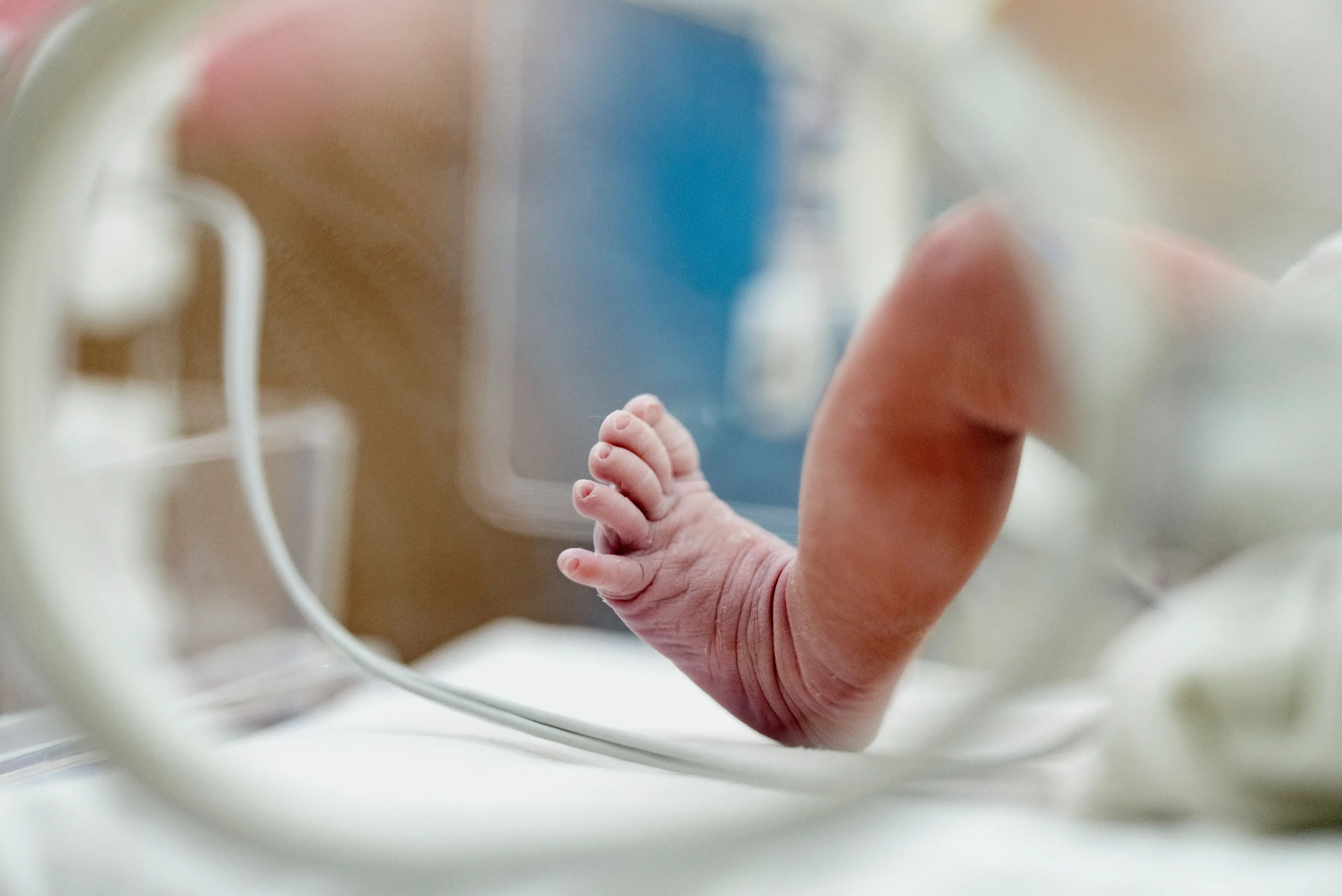
A child will typically develop the condition before the age of seven. Signs of MSUD in children include:
If it goes untreated, it can turn into what's called a 'metabolic crisis' where your body's process to breakdown food malfunctions.
Signs that the body has gone into metabolic crisis are abnormal muscle movements, seizures or convulsions, vomiting, and falling into a coma.
If someone experiencing a metabolic crisis doesn't get urgent treatment then they can die.

Per Children's Hospital of Philadelphia, MSUD is caused by a genetic mutation in one of three genes: BCKDHA, BCKDHB or DBT. The child will have inherited the mutation from their parents.
"These genes provide instruction for the human body to make enzymes (BCKDH complex enzymes) which are essential for breaking down amino acids including leucine, isoleucine, and valine," it explains further.
The amino acids are found in protein-rich foods like milk, meat, and eggs.

Most babies are identified to have MSUD using newborn screening programs.
They will then go on to receive an official diagnosis after further testing such as blood and urine tests, genetic studies, or the analytical technique ESI-Time of Flight mass spectrometry which identifies the levels of leucine, isoleucine, and valine in the baby's blood.