
Common cleaning chemical linked to dangerous disease that could prove fatal

A new study has found that individuals may be getting exposed to a chemical found in cleaning products that increases their chances of developing a potentially fatal condition.
The science of health is always changing, but a group of researchers were left surprised with their findings in a study looking at the blood of US adults.
Researchers from the Keck School of Medicine of the University of Southern California analyzed blood samples from 1,614 adults aged 20 and older between 2017 and 2020.
The data came from the National Health and Nutrition Examination Survey, and is considered a nationally representative survey of the US population.
Advert
In their study, they found that about seven percent of the population had detectable levels of Tetrachloroethylene (PCE) in their blood.

This chemical is found in some adhesives, spot cleaners and stainless steel polish, and has been linked to tripling the risk of developing liver fibrosis.
According to the Cleveland clinic, fibrosis is 'a gradual stiffening of your liver as thin bands of scar tissue gradually add up'.
"Scar tissue reduces blood flow through your liver, which reduces its access to oxygen and nutrients," the clinic explains. "This is how your liver’s vitality begins to gradually decline."
Liver fibrosis can also progress to liver cancer, liver failure and death, but can also be reversible, according to the hospital.
According to the study, those exposed to the PCE chemical were three times more likely to have notable liver fibrosis than those without exposure.
Brian P. Lee, M.D., the lead author of the study, hepatologist and liver transplant specialist, said: "We were surprised that so many people have detectable PCE in their blood, and that the link with liver scarring was so strong.
"Since prior studies have mainly focused on people who are exposed to PCE for work (e.g. work at the dry cleaners), I think people will be surprised by their exposure, even when they don’t directly work with PCE."
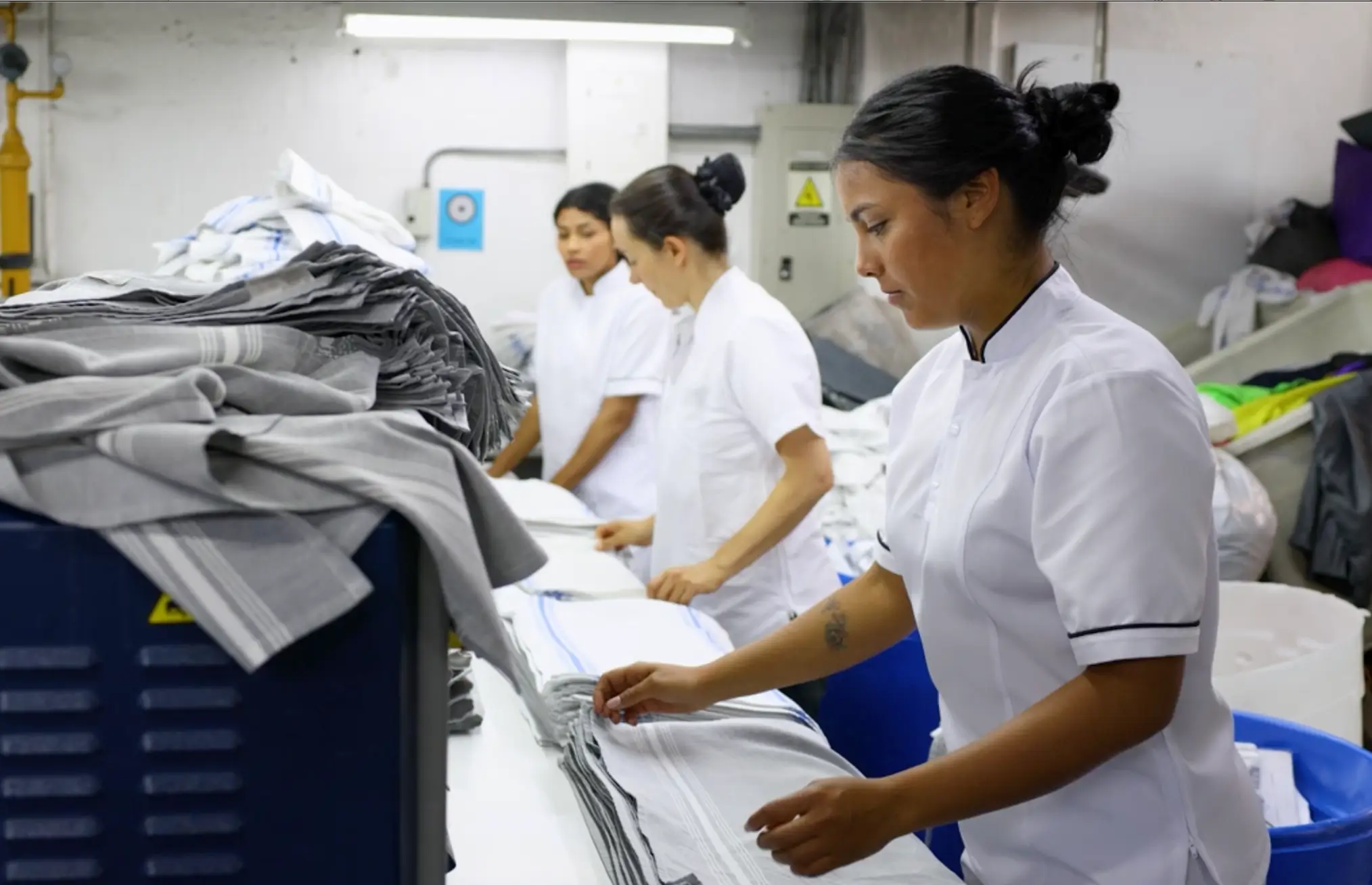
Lee added that those of higher-income households were most at risk of exposure.
He explained this further, adding: "People with higher incomes may be more likely to use dry cleaning services, which could increase their exposure to PCE.
"However, people who work in dry cleaning facilities may also face elevated risk due to prolonged, direct exposure to PCE at work."
Lee also pointed out that other health factors often associated with poor liver health, like alcohol consumption or obesity, did not appear to contribute to significant liver fibrosis when PCE was detected in the blood.
He added that PCE exposure may be the cause in patients who don’t have any of the health conditions traditionally associated with liver disease.
Topics: Health, World News
 Gerrard Kaonga