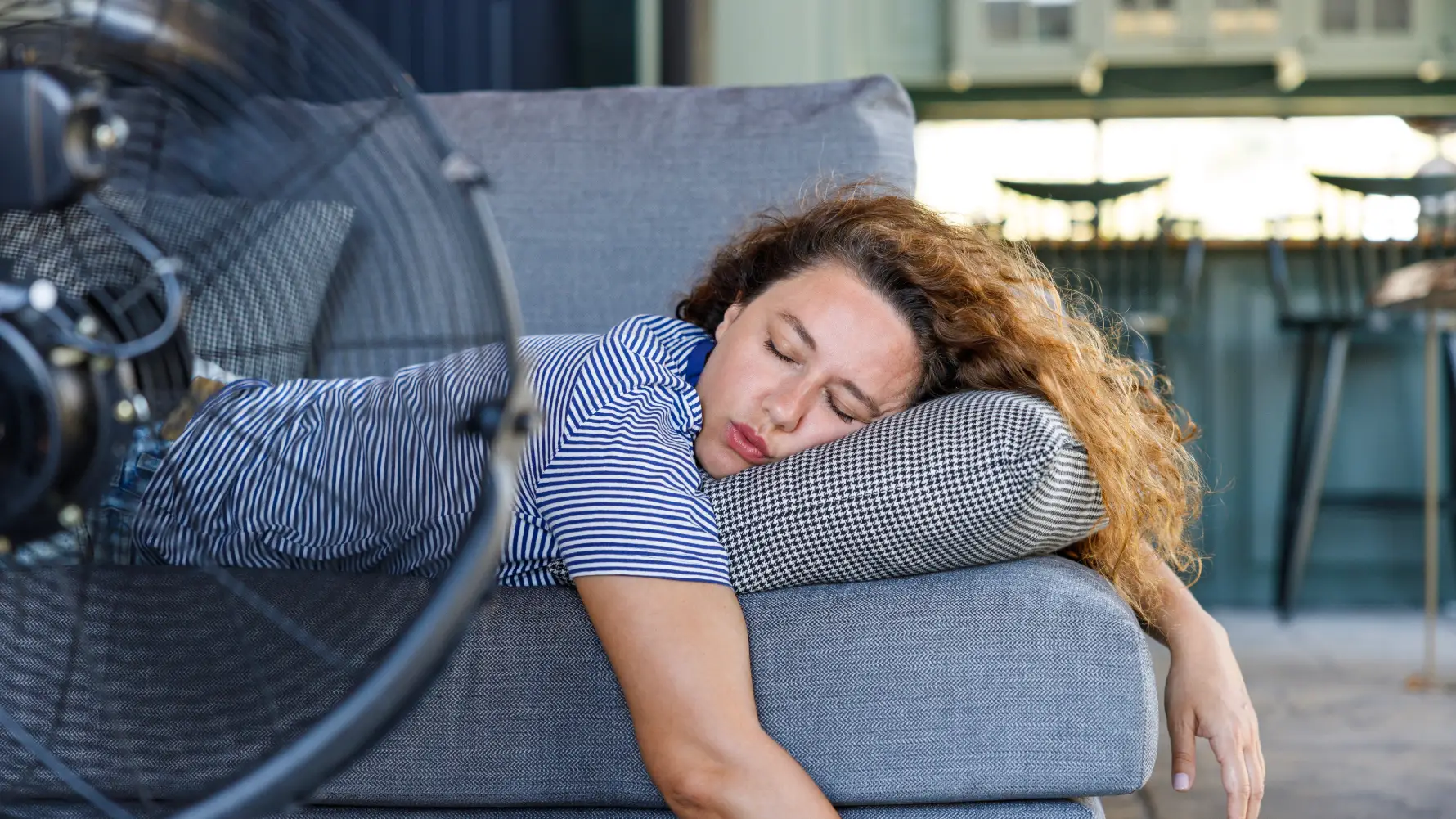
Expert explains why people shouldn't sleep with a fan on during a heatwave

Summer has come early in parts of the US, sparking some people to break out their fans in the hopes of getting a good night's sleep — but the cooling device might not be as beneficial as you thought.
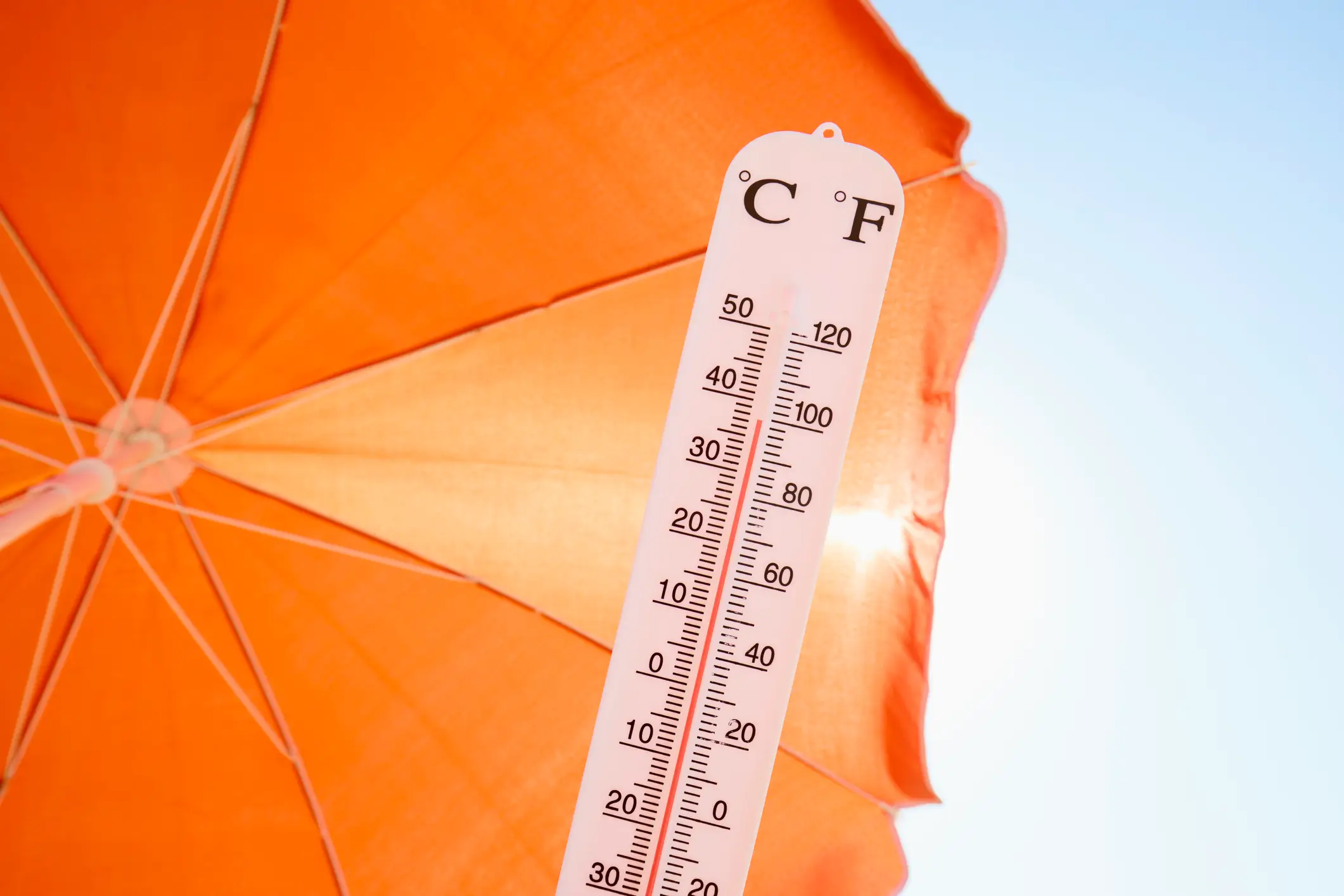
Last week marked record-breaking temperatures in America, the east coast specifically.
According to Scientific American, Boston reached temperatures of 96°F on Tuesday (May 19), which broke the previous record set in 1949 on May 19 when the state hit 90°F.
Elsewhere, Washington Dulles International Airport recorded highs of 94°F, and Philadelphia's climes hit 98°F.
Advert
With the scorching weather in mind, there's a good chance people turned to their trusty fans to keep them cool through the night as high temperatures can wreak havoc on your sleeping patterns.
However, Natalie Pennicotte-Collier, sleep therapist and resident sleep expert at British company MattressNextDay, has explained why it isn't a good idea to sleep with a fan on all night.
She explained, per The Express: "What helps you fall asleep is not always what supports your best quality sleep across the whole night.
"A fan can ease sleep onset, but as the room cools further in the early hours and your core body temperature begins to change before waking, that same fan can start to fragment your sleep, triggering lighter waking as your body tries to regulate itself."
Pennicotte-Collier also said that while being cool can help you fall asleep, the body actually needs a slight rise in temperature before waking.
"With a fan running all night the constant airflow continues to cool and dry the air around you," the expert said, "which can interfere with that natural process."
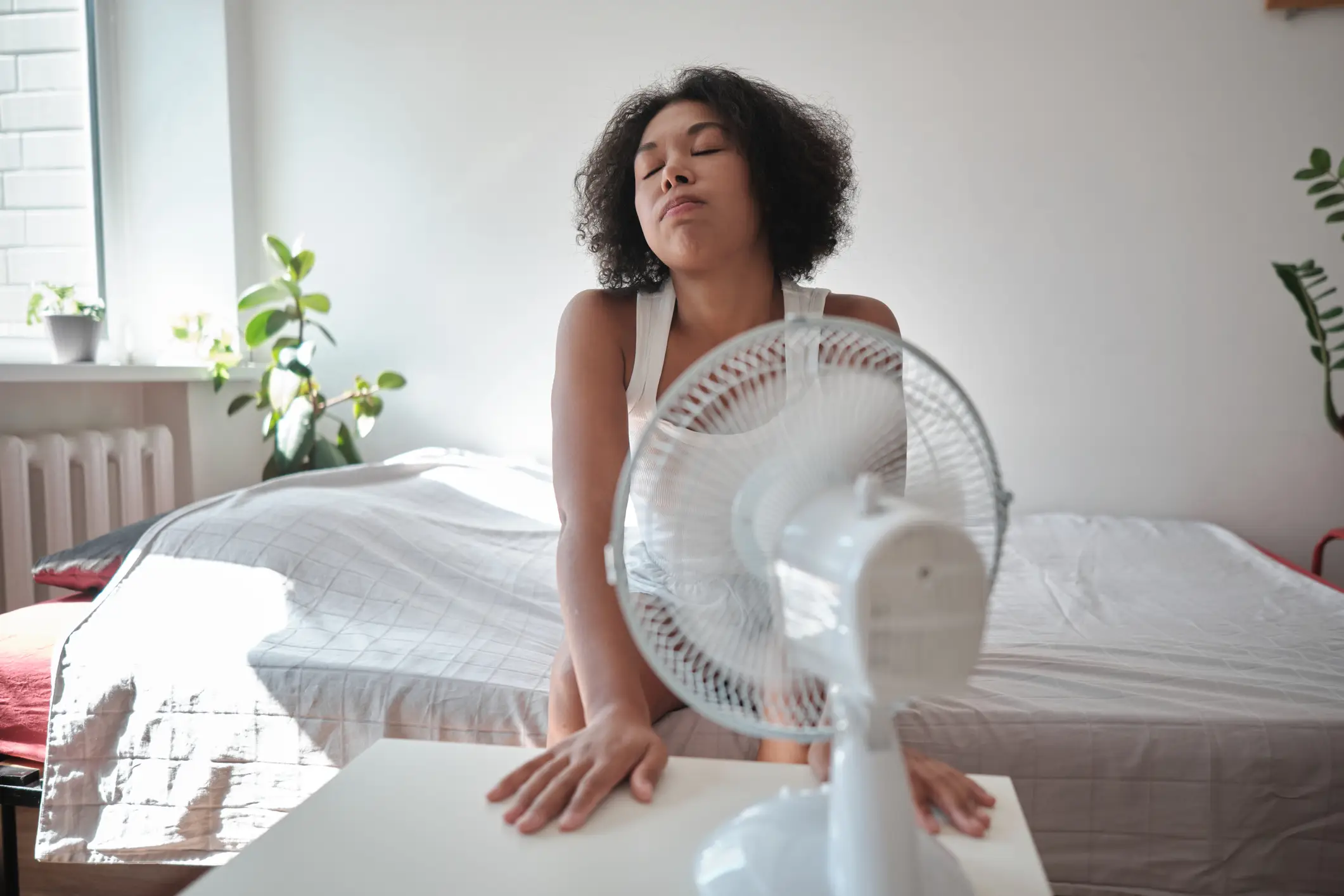
It can impact your health as well as the ongoing airflow can irritate your airways by drying them out.
Pennicotte-Collier shared: "A fan running all night progressively dries the mucosal membranes lining your nose, throat and upper airways. Your body responds by producing more mucus."
So what can we do to prevent a fan disrupting our sleep, I hear you ask?
Pennicotte-Collier's first piece of advice is to set a timer on your fan; a good time being for your fan to stop running is an hour after you've gone to bed.
Fan placement is also key. The expert says you should 'point the fan towards the ceiling or a wall, not directly at your face or body, to reduce airway drying while still cooling the room'.
 Niamh Shackleton