
Experts explain how every hour of sitting can increase the risk of 'multiple forms' of cancer

Scientists have issued a warning over a common daily habit that could be quietly increasing your risk of developing cancer, according to a new study.
Researchers in Scotland examined health data from tens of thousands of adults who wore activity monitors for a week before being followed for more than ten years afterwards, in one of the largest studies of its kind.
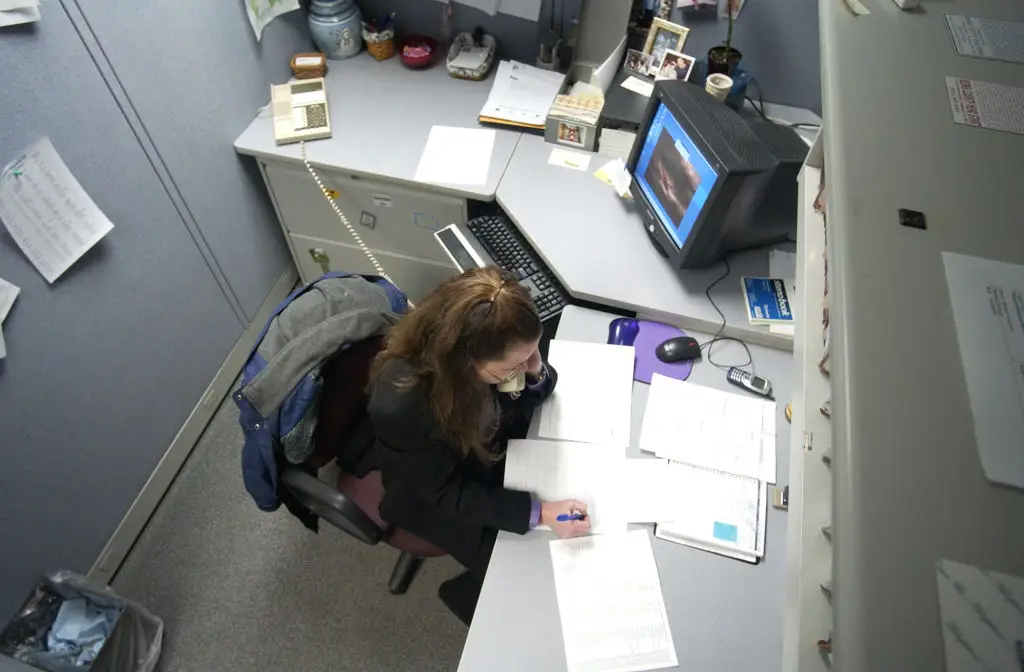
The average person spends between six and ten hours a day engaging in sedentary behaviour, whether that's watching television or sitting at a desk for work.
Scientists have long known that this kind of inactivity can raise the risk of obesity, diabetes, heart disease and osteoporosis, but the new findings suggest the consequences could be even more serious.
Advert
The study found that spending long, uninterrupted periods sitting down could be linked to a higher chance of both developing and dying from multiple forms of cancer.
Researchers discovered that every extra hour spent sitting continuously was tied to a nine percent greater chance of dying from cancer, along with a three percent higher risk of developing the disease in the first place. Cancers linked to obesity, including pancreatic and colon cancer, saw an even steeper five percent rise in risk.
What is the link between sitting and cancer risk?
The team, from the University of Glasgow, analysed data from 91,292 adults enrolled in the UK Biobank database, all of whom were between 37 and 73 years old and had no prior history of cancer.
Each participant wore a wrist monitor around the clock for a full week, allowing researchers to track exactly how their days were spent.
Using a machine-learning programme, scientists sorted the data into categories including sedentary behaviour, light activity, and moderate to vigorous exercise. Crucially, they distinguished between 'prolonged' sedentary behaviour, classed as at least 30 minutes with 90 percent of that time spent sitting still, and 'interrupted' sedentary time, where movement broke up the sitting.
Over a 12-year follow-up period, participants were monitored for the development of cancers including breast, colorectal, pancreatic, kidney, liver and thyroid, among others.
The researchers believe prolonged sitting may trigger inflammation throughout the body, creating conditions in which cell DNA is more likely to become damaged and mutate into cancerous tumours.
Inactivity has also been shown to fuel insulin resistance, a key driver of type 2 diabetes that has separately been linked to tumour growth.

How much exercise is needed to lower cancer risk?
The good news is that small changes appeared to make a real difference. Replacing just 30 minutes of sitting each day with light activity, such as walking, was associated with an 18 percent lower risk of dying from cancer.
Swapping the same 30 minutes for moderate activity like brisk walking or cycling brought an eight percent reduction in cancer death risk, while just five minutes of vigorous exercise a day, such as running or swimming, was tied to a four percent lower overall cancer risk.
"Our findings suggest that the health effects of sedentary behaviour may depend not only on total sedentary time, but also on whether that time is accumulated in prolonged bouts or interrupted by activity," the study authors said.
The researchers stressed the findings show an association rather than direct proof that sitting causes cancer, but said the results add weight to growing evidence around the benefits of light movement.
 Thomas Bamford