Scientists reveal how GLP-1 medications can slash the risk of 4 types of cancer by 50%

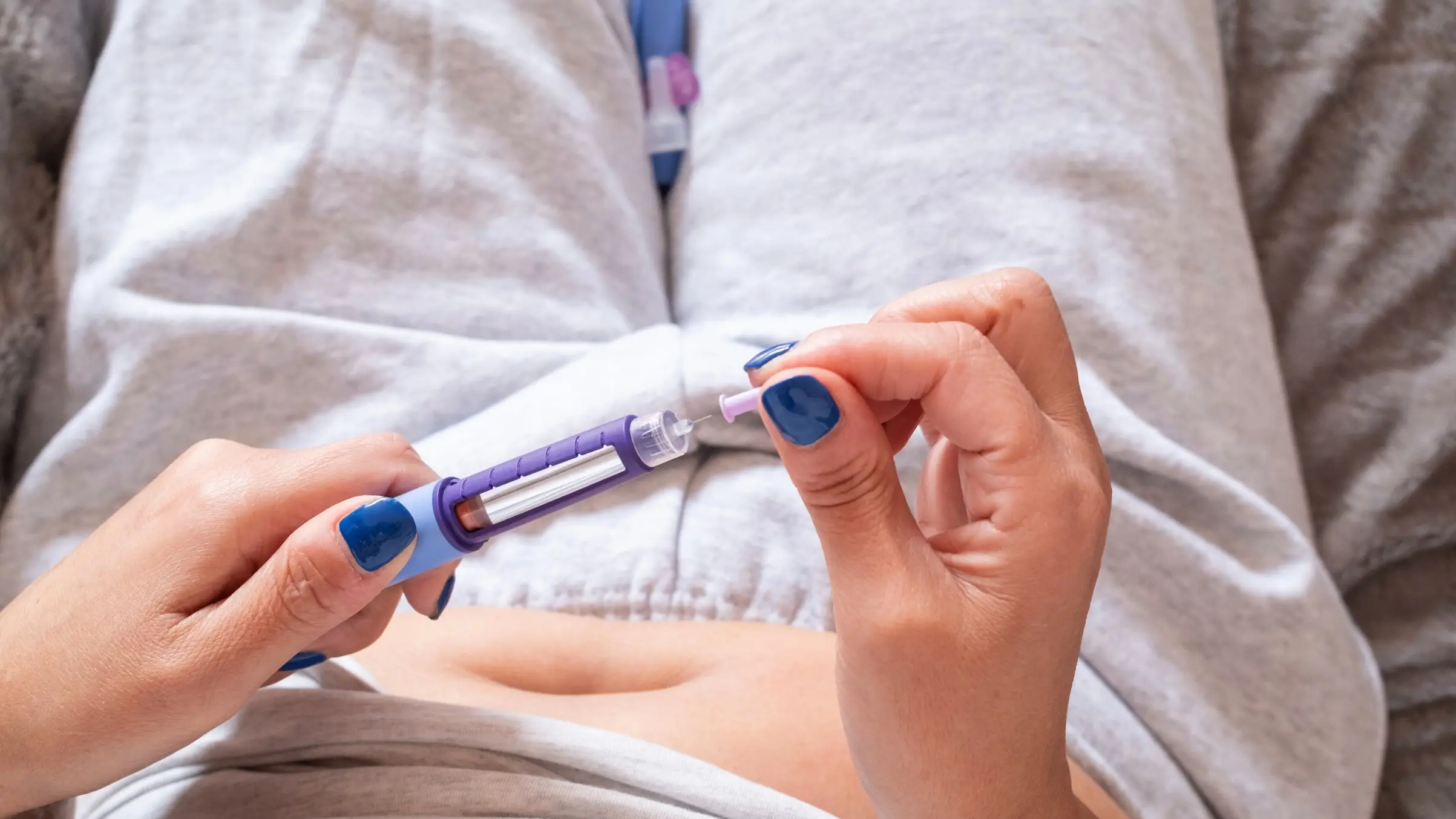
Scientists have revealed how GLP-1 medications can slash the risk of four types of cancer by half, according to a new study.
It's widely reported that the use of GLP-1 medications such as Ozempic and Wegovy for weight loss has been increasing, while the drugs were first created to help treat the symptoms of type 2 diabetes.
Now, according to new research, one in eight Americans have used a GLP-1 medication in their lifetime, and scientists claim the majority of people are using them for obesity management.
Aparna Kamat, MD, director of the Division of Gynecologic Oncology at Houston Methodist Hospital, told Medical News Today: "Most previous studies examining GLP-1 medications and cancer risk were conducted in patients with type 2 diabetes."
Advert
But the new study focuses totally on those who use the drug and do not have diabetes.
She added: "This is the population that has been invisible in the literature, and it is now the largest group using these drugs. They are younger, they don’t have diabetes, and they are experiencing some of the sharpest increases in obesity-associated cancers we’ve seen in decades."

The new research revealed that the medication has been linked to slashing the risk of four specific types of cancer by 50 percent.
"We are not ready to say these drugs prevent cancer - our study cannot prove causation," Kamat noted.
"But we are ready to say this finding demands a serious answer. Given the rapidly increasing use of these medications, even a modest reduction in cancer incidence could have important public health implications."
The most dramatic drops in risk, where this reduction was by 50 percent or more, occurred in multiple myeloma, pancreatic cancer, and colorectal cancer, and endometrial cancer.
The doctor claimed that the GLP-1 medications might 'not just shrinking the patient', but also the 'tumor itself'.
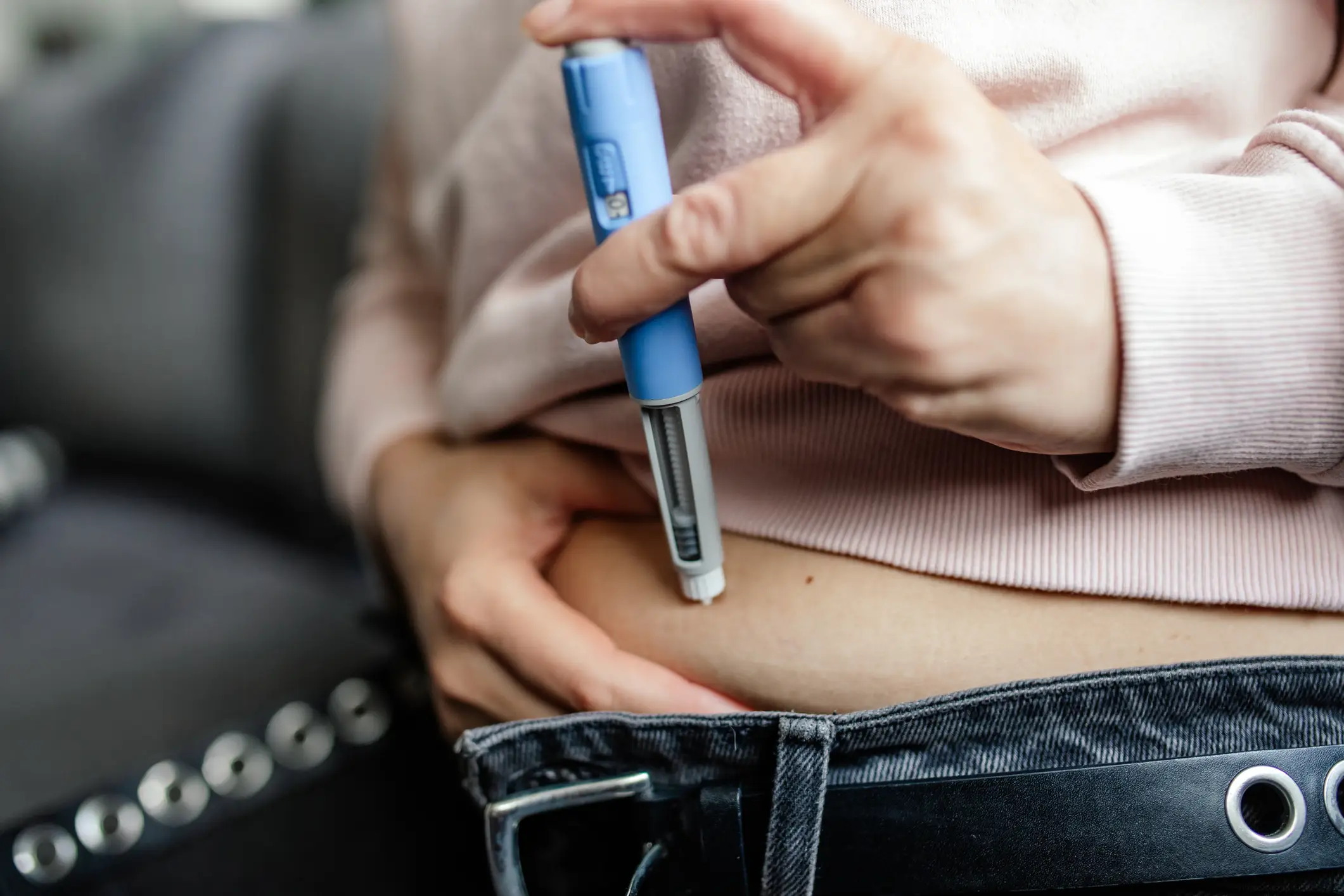
However, scientists have known for decades that obesity is a well-established risk factor for numerous cancers, so whether or not the slashed risk is a by-product of the weight loss requires far more research.
David Greenberg, MD, FACP, section chief of Hematology/Oncology at Hackensack Meridian Jersey Shore University Medical Center in New Jersey, who was not involved in the study, was not surprised by its results.
Speaking to the outlet, he added: "We know these drugs not only diminish appetite and aid weight loss, but they also likely affect cardiovascular health, improve insulin sensitivity, and thus decrease overall inflammation in the body.
"Anything that decreases inflammation likely also decreases a person’s overall cancer risk. So I believe other factors are at play besides losing weight."
UNILAD has reached out to Novo Nordisk for comment.
 Mia Williams