
First symptoms of early-onset Alzheimer's wife noticed before husband's diagnosis at 53

The wife of a man diagnosed with early-onset Alzheimer's three years ago has lifted the lid on some of the subtle first symptoms she noticed.
Joe Pemberton was diagnosed with the disease at the age of 53 soon after he retired from a long career in law enforcement.
The couple, from South California, had saved to travel the world but those plans were canned after Joe received the devastating diagnosis.
It was a long road for Joe and Cassandre as they searched for answers in the two years between the former law enforcement worker's first symptoms and early-onset Alzheimer's diagnosis, a rare form of dementia that starts in people under the age of 65.
Advert
Cassandre told UNILAD such period of time was 'frustrating' as Joe's condition worsened and the 47-year-old wondered whether she was just being a 'nagging wife'.
But deep down, Cassandre knew something was seriously wrong.

Early symptoms of early-onset Alzheimer's
Cassandre told UNILAD that the first symptom she noticed with her husband was short-term memory loss, which was followed by something less subtle.
"He started losing things, simple things," she explained. "He was always a pretty organized guy, so it was concerning to me."
The short-term memory loss is something which really 'concerned' Cassandre though.
"He would ask me a question and I would answer it and two minutes later he'd ask me the exact same question as if I we had never discussed it before," she added.
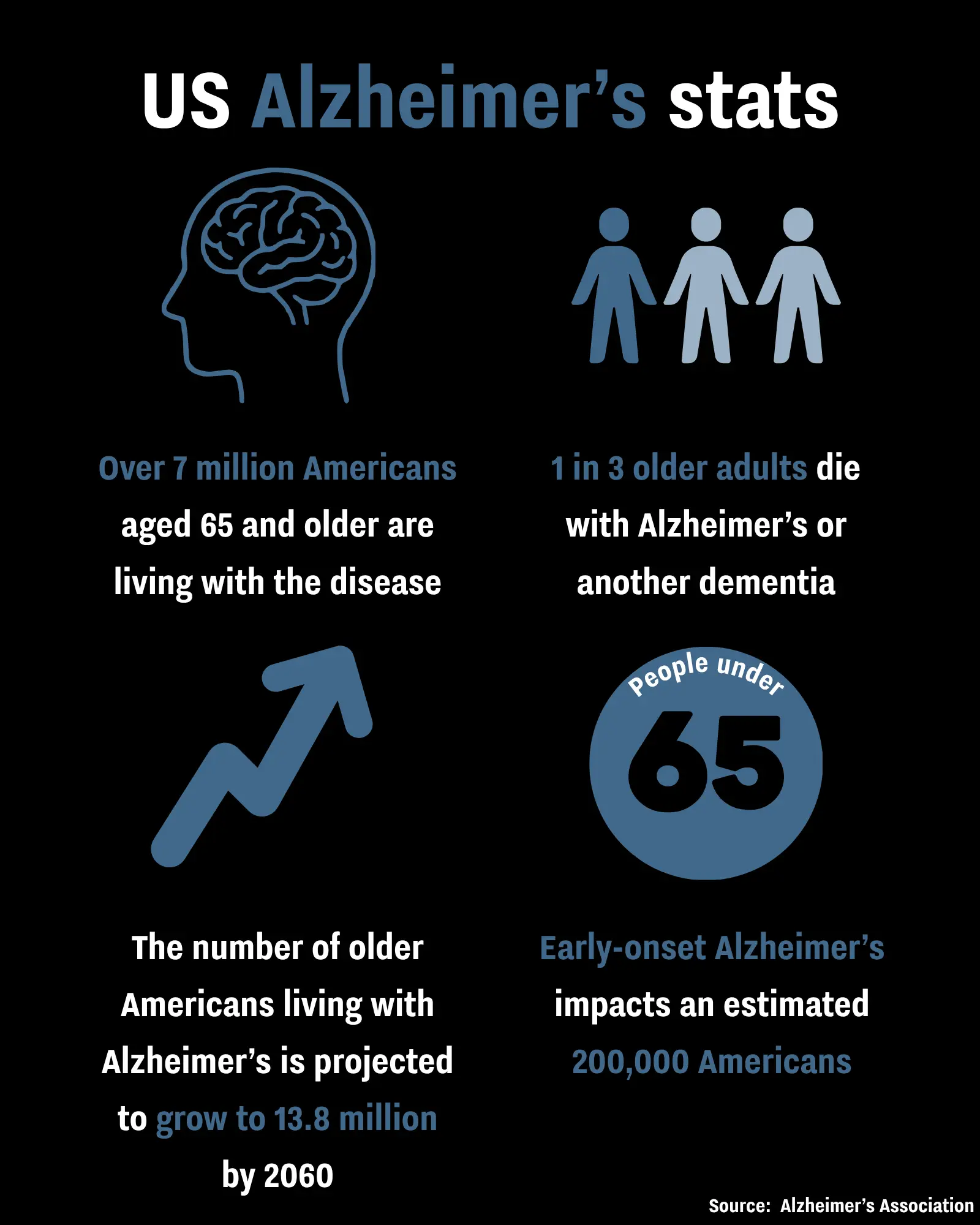 (UNILAD)
How early-onset Alzheimer's symptoms progressed
Some five years after symptoms first appeared and three years after he was diagnosed, Joe, 56, is now experiencing more 'progressed' health concerns, according to Cassandre.
She explained: "At the beginning, it was mostly short term memory. At the time it felt frustrating, but it was easy. Now it's short-term memory, some long-term memory, not a lot, and procedural.
"Like doing things in the right order, remembering to shut doors, things that could become a safety issue. He couldn't cook right now, or if I give him a task he kind of forgets what he's supposed to do by the time he gets to it."
Cassandre went on to say that Joe's speech has also become 'limited' in recent times.
Joe's wife is now his full-time caregiver, with Cassandre saying he requires 'full-time assistance'.
"He's constantly seeking where his people are," Cassandre added. "He doesn't really like to be alone for too long. I provide all food, I help him with all hygiene, medication. Anything that would require him to be sustained is pretty much on me."
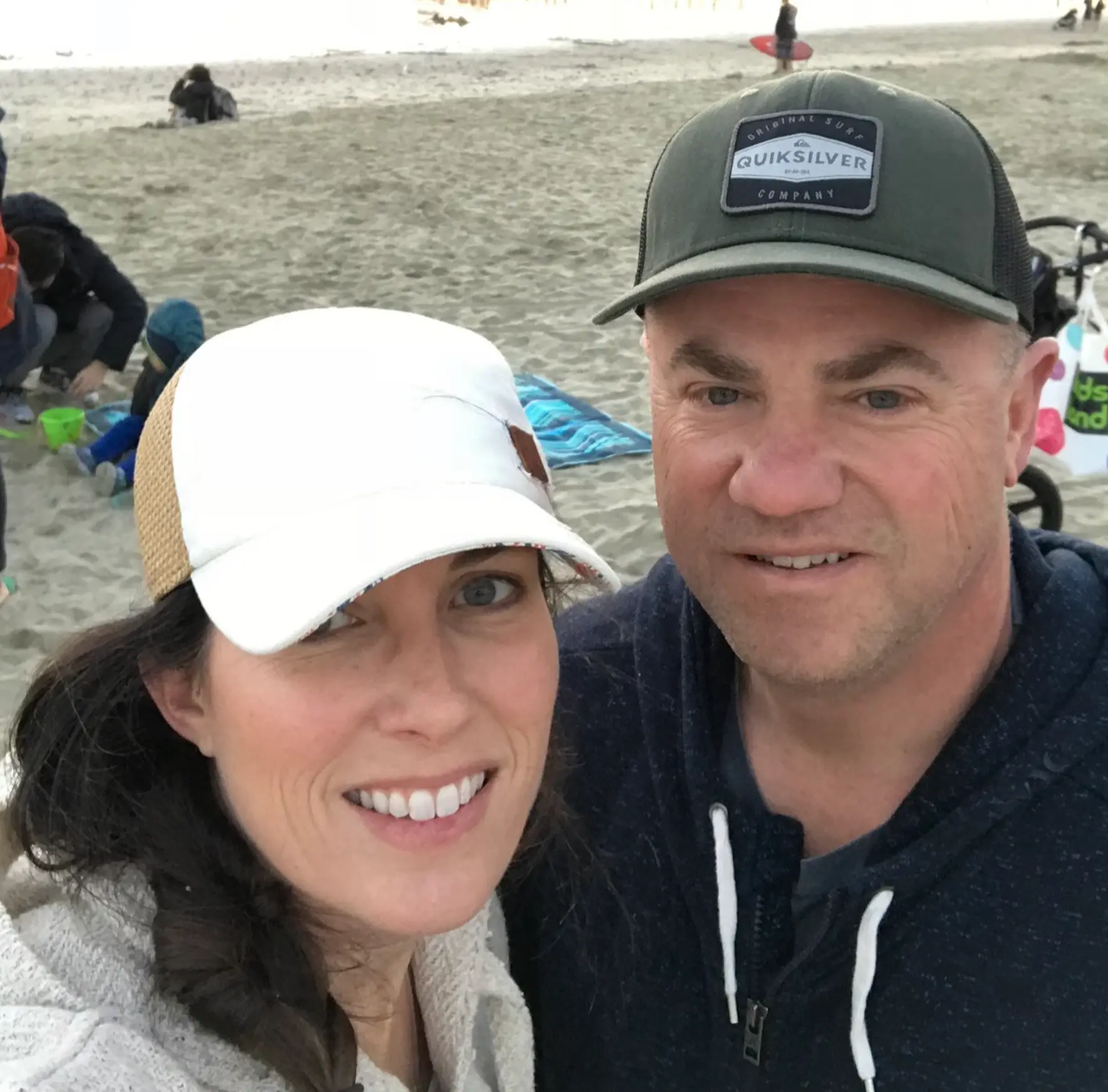
It's been a difficult few years for Cassandre, Joe and their twins, 12, though the diagnosis did provide much-needed answers.
Cassandre recalled feeling 'numb' after doctors told her about Joe's health.
"I couldn't really hear a lot, I could hear my heart beating and I was so overwhelmed so fast and I didn't know what to ask," she admitted.
After somewhat coming to terms with his diagnosis, Cassandre said Joe is more 'cooperative' as he's 'accepted he needs help'.
She also revealed that her teenage twins are 'very involved' in their father's care and they're fully aware of his condition.
If you've been affected by dementia or Alzheimer's and would like to speak with someone in confidence, contact the Alzheimer's Association via 800.272.3900 open 24 hours seven days a week.
Topics: Health, Life, Dementia, Mental Health
 Callum Jones