
Neurologists warns of five headache symptoms you should never brush off

It's very likely you'll have experienced a headache at one point in your life, as almost half of the world's population are affected by them.
Usually headaches are triggered by lifestyle factors. This might be dehydration from having one too many beers at the bar the night before, or if you're suffering from lack of sleep.
Most minor headaches aren't a sign of something more serious and will subside after taking over-the-counter medications and resting, says Harvard Health. However, there are certain types of headaches that are associated with my serious health conditions that you should be aware of.
Dr Nada Hindiyeh, a neurologist and the chief medical officer of Haven Headache and Migraine Center, said: “As a headache neurologist, there are several symptoms that can be concerning because they may point to something more serious than a primary headache disorder like migraines."
Advert
Dr Hindiyeh proceeded to share with HuffPost the types of headaches she believes people shouldn't ignore.

Thunderclap headache
Per the name, a thunderclap headache is a sudden, agonising pain that doesn't go away.
Dr Hindiyeh said that this pain will 'reach maximum intensity within seconds to a minute [and are] often described as the worst headache of [patients'] life'.
These types of headaches can be a sign of a brain bleed and requires urgent medical attention.
Mayo Clinic says that specific causes of a thunderclap headache include:
- Bleeding between the brain and membranes covering the brain (subarachnoid hemorrhage)
- A rupture of a blood vessel in the brain
- A tear in the lining of an artery that supplies blood to the brain
- Leaking of cerebrospinal fluid — usually due to a tear of the covering around a nerve root in the spine
- Death of tissue or bleeding in the pituitary gland
- A blood clot in the brain
- Severe elevation in blood pressure (hypertensive crisis)
- Infection such as meningitis or encephalitis
- Ischemic stroke

New headache that coincides with brain-related symptoms
If you develop a headache alongside symptoms such as sudden weakness, numbness, difficulty speaking, confusion, vision loss, or trouble walking, it could be worth seeing a doctor, Dr Hindiyeh advised.
Sometimes people who suffer with migraine aura (which is non-life threatening) have brain-related symptoms like flashing lights, zig-zag lines, and dizziness. But, if someone's additional symptoms 'begin abruptly', then it could be a sign of a stroke and needs further assessment.
New or unusual headache in someone aged 50+
Dr Hindiyeh told HuffPost that it’s always worth exploring 'a new or markedly different headache, especially in someone over the age of 50 or in someone with no prior history of migraine'.
The neurologist added: "A headache that is different from a person’s usual pattern deserves medical attention."
According to Lone Star Neurology, headaches in people aged 50 and over might be a secondary symptom to a more serious health issue.
It explains on its website: "Secondary headaches may be linked to inflammation of blood vessels, changes in pressure inside the skull, medication effects, or structural problems.
"Doctors are trained to identify when a headache fits this category. That’s why a lifelong migraine sufferer with unchanged symptoms is treated differently from someone who develops daily headaches for the first time in their fifties or sixties."
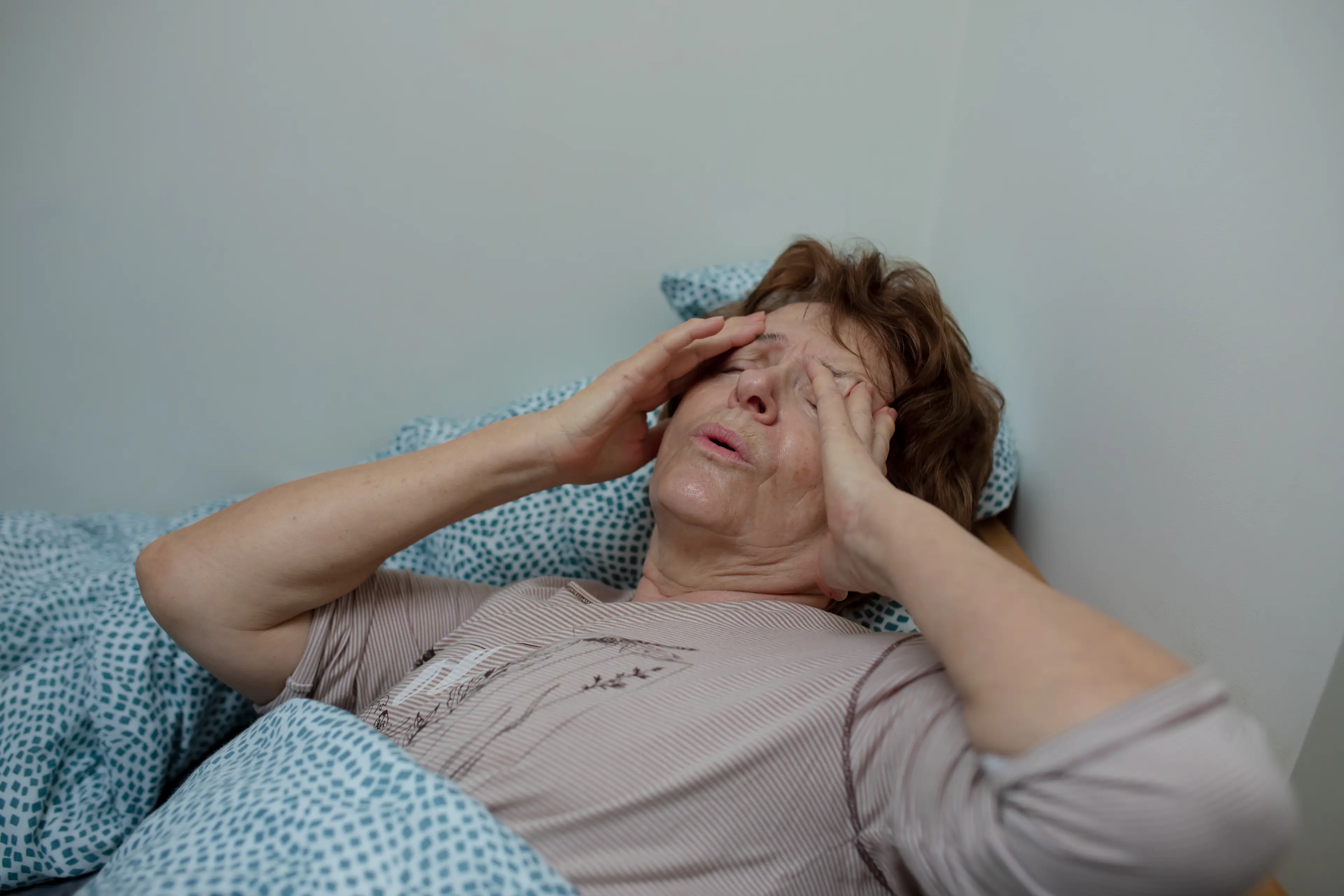
Headaches that get progressively worse or change pattern
"I also pay close attention to headaches that are progressively worsening over days to weeks or a new pattern change," said Dr Hindiyeh, "particularly if they wake someone from sleep, are worse when lying down or with coughing and straining, or are associated with persistent vomiting."
Headaches that come with a fever, neck stiffness, and more
If a headache is joined by a host of other symptoms it 'may indicate an infection, inflammation, or another secondary cause', said the neurologist.
Dr Hinidyeh said these things alongside a headache may warrant 'prompt evaluation':
- Fever
- Neck stiffness
- Altered mental statu
- Seizures
- Cancer
- Immune system disorders
 Niamh Shackleton