
Scientists discover potential weight-loss drug breakthrough that burns fat while preserving muscle

A new experimental compound has helped obese mice burn more energy and lose fat while showing no significant reduction in lean muscle mass, raising the possibility of a very different approach to weight-loss treatment.
The compound, called 5-tetradecyloxy-2-furoic acid, or TOFA, was tested by researchers at UC Berkeley, with the findings published in Science Advances on 21st August.
According to UC Berkeley, TOFA works by increasing energy expenditure rather than primarily reducing how much food is eaten.
In experiments, the compound increased energy expenditure by as much as 18%, without causing the mice to become more physically active or increasing their body temperature.
Advert
The study is still at the animal-testing stage, so there is currently no evidence that TOFA would have the same effects in humans.
How does TOFA work for weight loss?
The researchers found that TOFA affects the way cells handle fats and energy. It blocks enzymes involved in making lipids such as cholesterol and triglycerides, while also activating cellular pathways linked to burning fat and producing energy.
For obese mice given the compound, the results went beyond changes in body weight. The animals lost fat without a significant loss of lean muscle mass, while also showing improvements in blood sugar control and insulin sensitivity.
The treatment was also associated with lower triglyceride levels and improvements in signs of fatty liver disease, according to the study.
Anders Näär, a professor of metabolic biology and nutrition at UC Berkeley and senior author of the research, told Dextero the team wanted to target the other side of the equation when it comes to body weight.
“Body weight responds to two levers: taking in fewer calories, or spending more energy,” Näär said.
“GLP-1s work almost entirely on the first, so we went after the second.”

Can TOFA be combined with Ozempic and Wegovy?
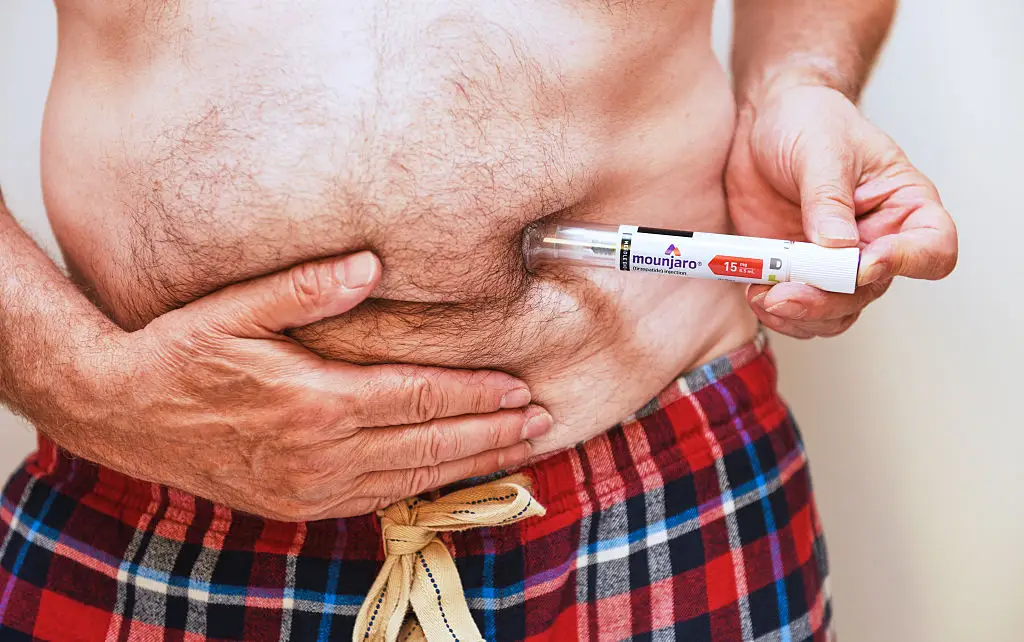
The researchers also tested TOFA alongside existing GLP-1 medications, including semaglutide, sold as Ozempic and Wegovy, and tirzepatide, sold as Mounjaro and Zepbound.
In the mouse experiments, combining TOFA with either drug produced greater improvements in body weight, glucose control, insulin levels and triglycerides than the individual treatments alone.
Näär said the findings suggest the compound could potentially complement appetite-suppressing treatments rather than replace them.
“In our combination experiments, TOFA worked additively or synergistically with the GLP-1 appetite-suppressing drugs, so we view it as complementary rather than as a replacement,” he said.
There is still a long way to go before it could become a treatment for people.
The researchers stressed that its safety and effectiveness have not yet been tested in humans.
TOFA was originally discovered in the 1970s, and the Berkeley team has now helped launch ReRx Therapeutics to continue developing the compound toward potential use in patients.
Topics: Weight loss, Ozempic
 Thomas Bamford