
Scientists issue new hair warning for men taking GLP-1 weight loss drugs

A new study suggests some men taking GLP-1 medications such as Ozempic, Wegovy and Zepbound could be more likely to lose their hair, but the reason may be from their DNA.
Researchers at NYU Langone Health found that men already genetically prone to the most common type of baldness faced a 7 percent higher risk when their genes pointed to stronger GLP-1 activity. The findings were published online on September 3 in the Journal of Investigative Dermatology.
Thinning hair has been widely reported by people on these drugs, men and women alike.
Until now, the usual explanation was fast weight loss rather than the medication itself, and many users say their hair grows back a few months after their weight levels out.
Advert
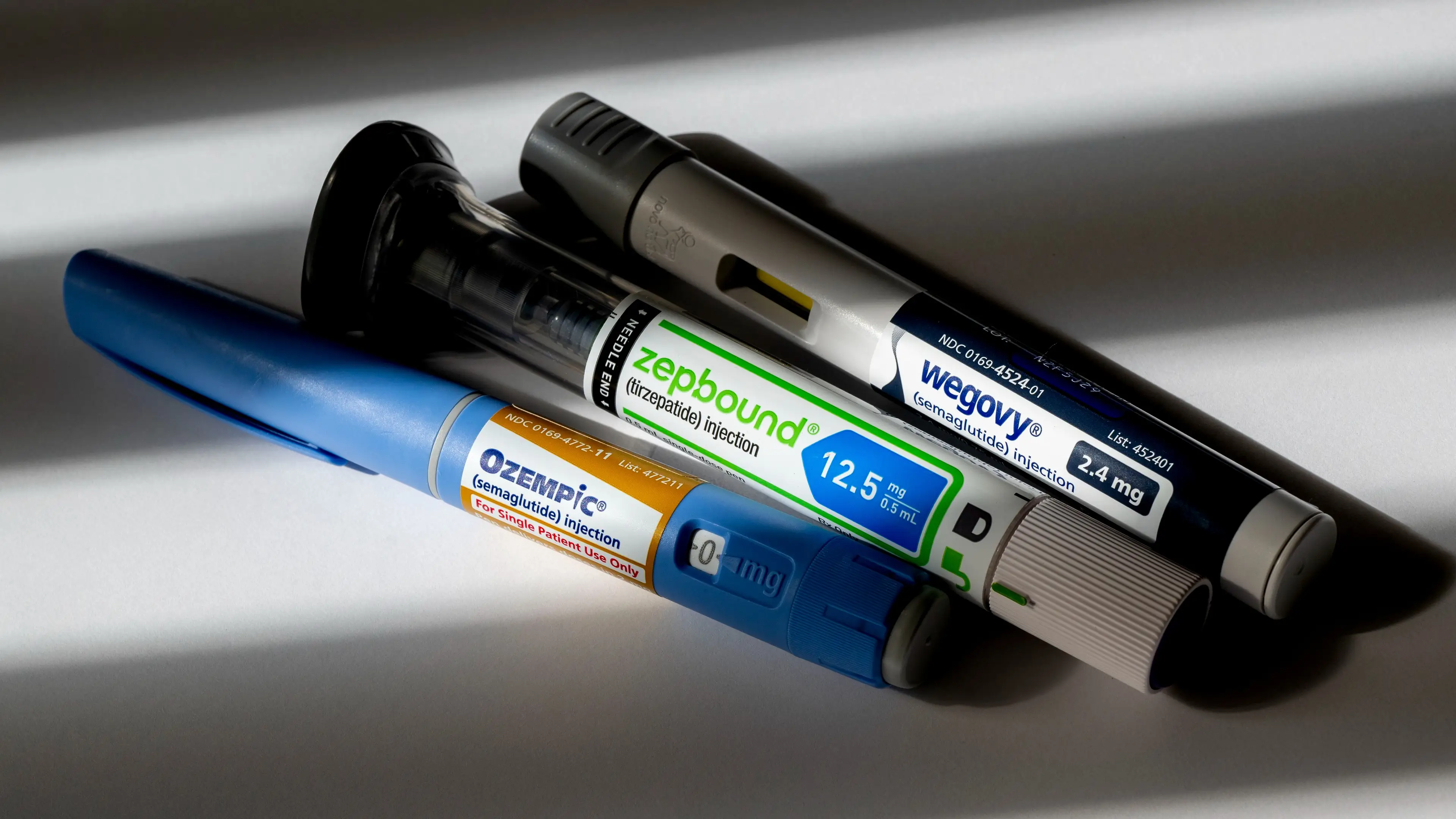
Why are GLP-1 drugs linked to hair loss?
The team looked at a gene called GLP1R, which raises the body's supply of GLP-1 receptor proteins, and treated it as a stand-in for how active the drugs are. They then compared it with genetic markers found in men with androgenetic alopecia, an inherited condition that causes hair to recede at the front and top of the scalp.
The markers that boost GLP-1 receptors turned up more often in men with the condition. The researchers then adjusted for high blood pressure, which is thought to restrict blood flow to the scalp, and the 7 percent figure didn't change. They also tested insulin resistance and low testosterone as possible explanations, with the same result. According to the team, the overlap points to a biological connection between the two.
The data came from two large public genetic databases. One covered 31,684 mostly White men and women, and the other 205,327 mostly White men. Only men could be analyzed because male hair loss is far better studied than the female version.
Senior investigator Dr Lynn Petukhova said: "Our study provides the first genetic link between GLP-1 use and an increased risk of male-pattern hair loss from androgenetic alopecia, an association long suspected but until now not shown scientifically."
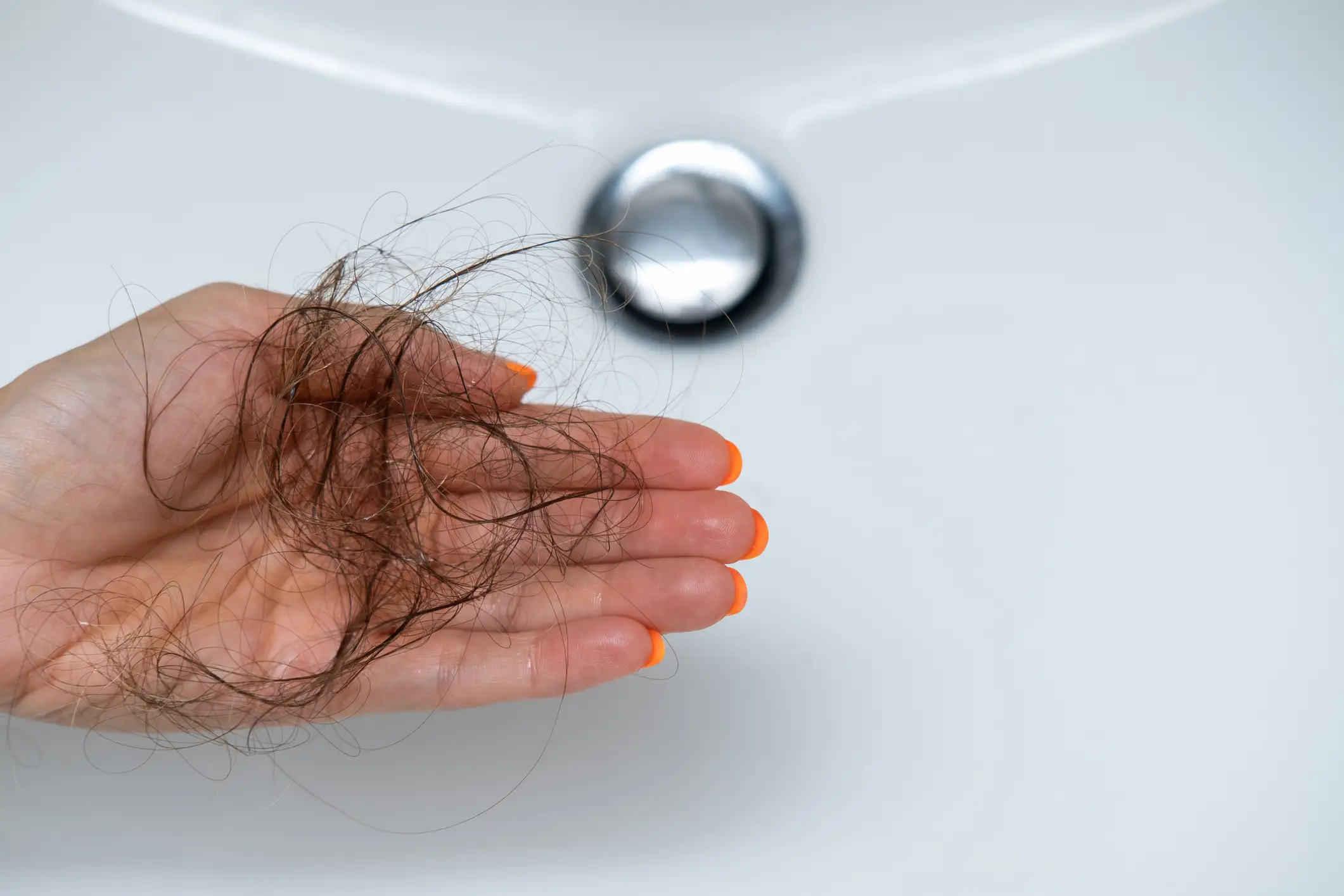
Could hair loss from weight loss drugs be prevented?
Petukhova says that if follow-up work backs up the findings, some patients could be screened for their hair loss risk before getting a prescription. Some users might also be given a second treatment alongside the jab, such as minoxidil.
She adds that more research is needed to understand how the drugs weaken hair follicle growth, and she plans to look at whether the same link exists in women.
The issue could affect a lot of people. Androgenetic alopecia is estimated to affect around half of White American men over 50, and nearly as many White American women over 50, mostly after menopause. Around 12 percent of Americans are thought to have taken a GLP-1 drug purely for weight loss.
The study was funded by the National Institutes of Health. Two of the NYU Langone investigators, Dr Jerry Shapiro and Dr Kristen Lo Sicco, have previously worked on hair loss treatments made by Pfizer and Regen Labs, and Lo Sicco is a paid consultant for several drug companies.
UNILAD has approached Novo Nordisk and Ely Lily for comment
Topics: Ozempic, Weight loss, Health
 Thomas Bamford