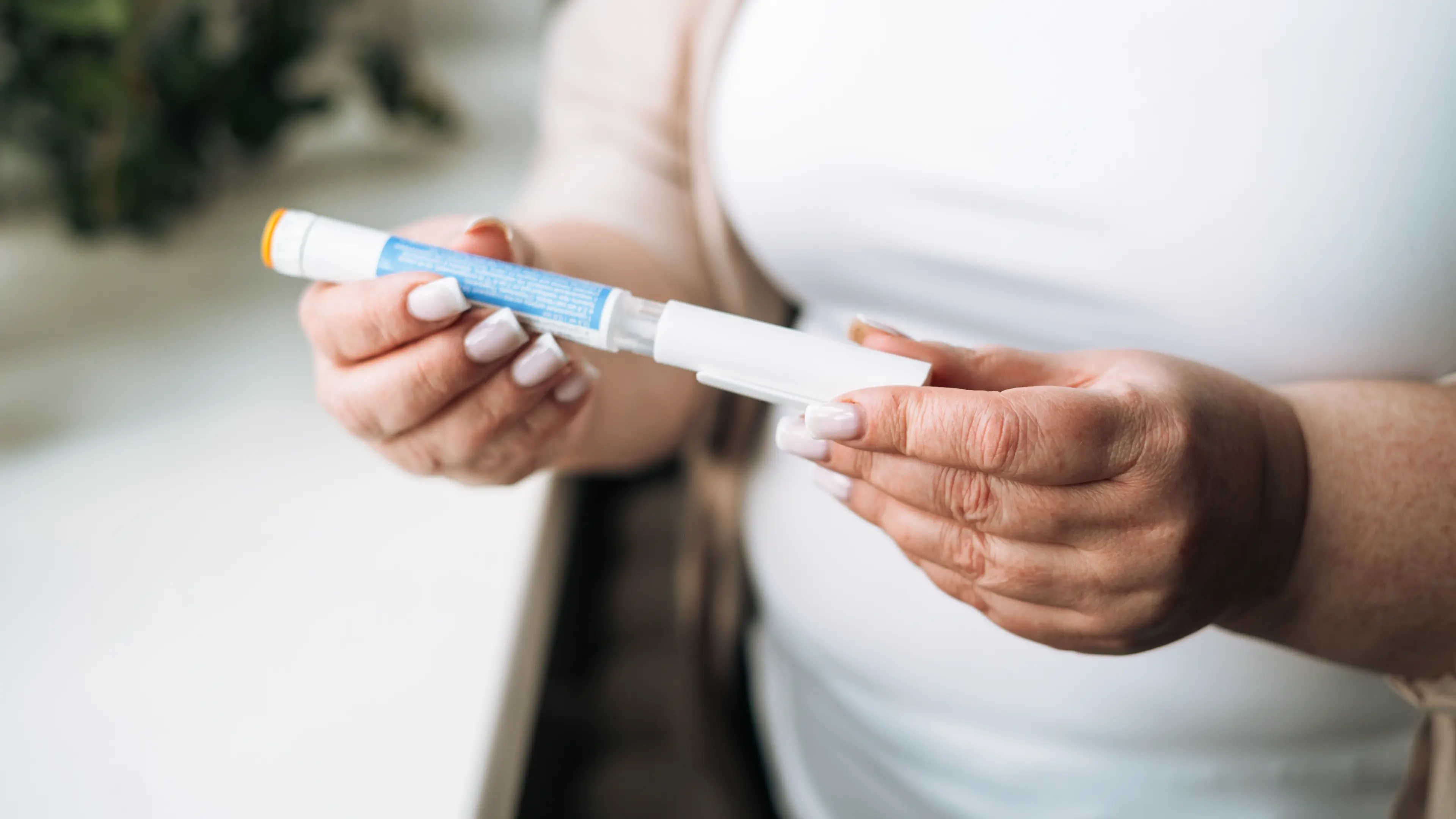
'World's most powerful weight-loss drug' Reta has surprising side effect, according to new study

An experimental weight-loss drug called retatrutide appears to do more than help people lose weight - it also improved blood sugar levels and reduced inflammation in a large new trial.
The same trial found that nearly a third of adults with type 2 diabetes on the highest dose lost at least 25% of their starting body weight.
The drug, however, has not yet been approved by any regulatory agency.
The Guardian reports the study, which was funded by retatrutide maker Eli Lilly, is the largest of its kind.
Advert
It was published in the Lancet and presented at the annual meeting of the European Association for the Study of Diabetes in Milan, Italy.
"Retatrutide demonstrated substantial reduction in body weight alongside glycaemic control and cardiometabolic risk factors, with a safety profile generally similar to other molecules with GLP-1 receptor agonist activity," the researchers said.
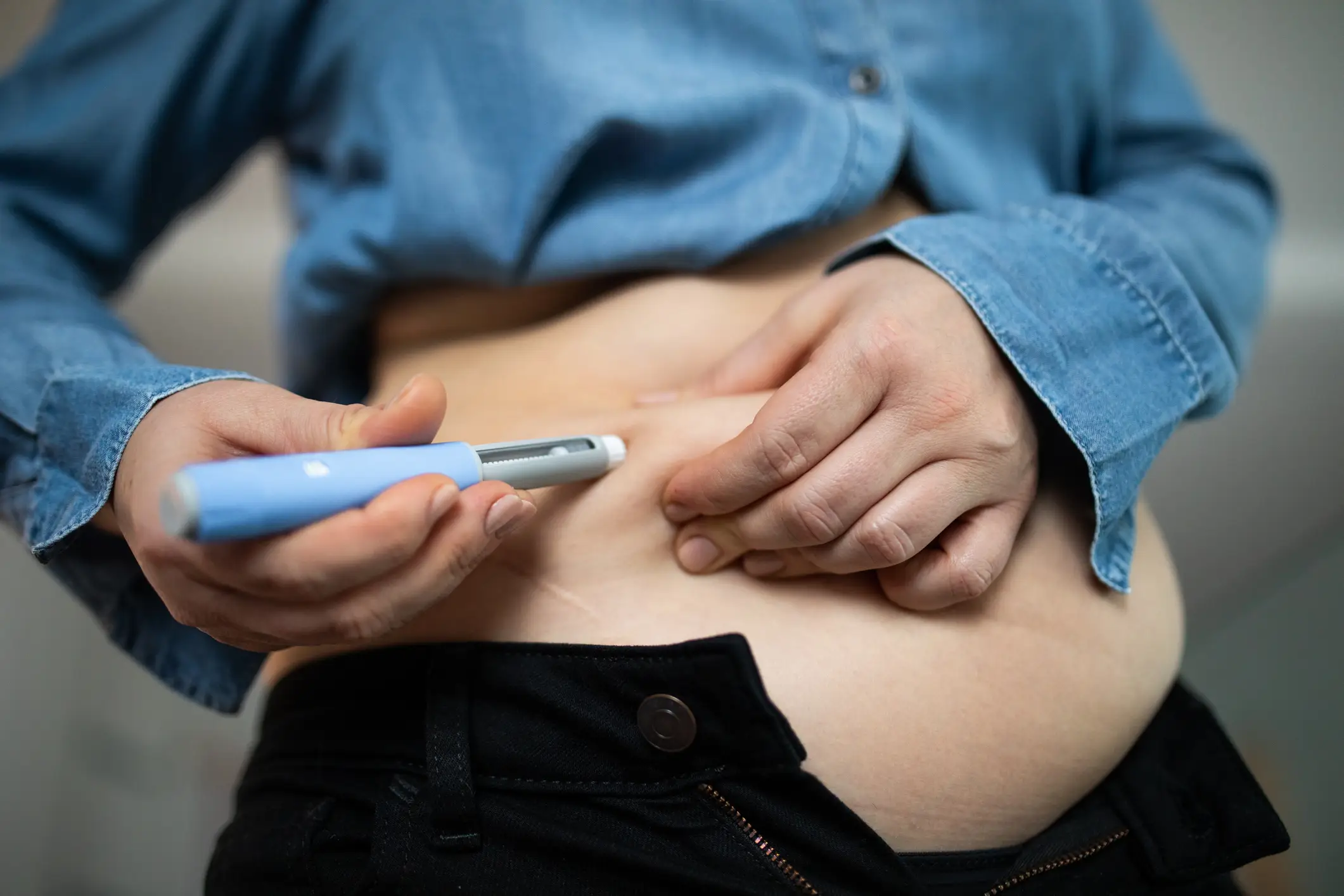
What are the health benefits of retatrutide besides weight loss?
The 80-week phase 3 trial was randomized, double-blind and placebo-controlled, and enrolled 2,047 adults in Argentina, Australia, Brazil, India, Mexico, Romania, Spain and the US. All had type 2 diabetes and a BMI of 27 or above.
Some 72% achieved an HbA1c of 6.5% or lower, a standard threshold used to diagnose type 2 diabetes, compared with 29% in the placebo group.
The researchers also reported significant improvements in blood pressure and lipid profiles, along with reductions in hsCRP, a marker of inflammation.
Participants received a weekly injection of either placebo or retatrutide at 4 mg, 9 mg or 12 mg.
Those on 4 mg lost an average of 11.9% of their body weight, rising to 16.8% on 9 mg and 18.8% on 12 mg, compared with 5.1% on placebo.
Among those on the 12 mg dose, 47% lost at least 20% of their starting weight, and 31% lost at least 25%. In the placebo group, the figures were 6% and 3%.

How is retatrutide different from Wegovy and Mounjaro
Retatrutide mimics three key gut hormones that help control appetite, blood sugar and metabolism: GLP-1, GIP and glucagon.
Wegovy primarily targets the GLP-1 pathway to suppress appetite, while Mounjaro contains GLP-1 plus GIP to control blood sugar levels.
Retatrutide also engages the glucagon receptor, which helps increase energy expenditure.
The most frequently reported adverse events were gastrointestinal. Diarrhea occurred in 27% to 34% of participants in the retatrutide groups, compared with 13% in the placebo group, while nausea affected 14% to 28% on retatrutide, versus 8% on placebo.
Seven deaths occurred during the trial: two in the 4 mg group, three in the 9 mg group, one in the 12 mg group and one in the placebo group. They were deemed unrelated to the study intervention by the investigator.
Separate research presented at the same conference, and published in the Lancet Obstetrics, Gynaecology & Women's Health, found that in most cases weight-loss drugs are not associated with adverse pregnancy outcomes in women with type 2 diabetes.
Researchers stressed that more research is urgently needed to address large evidence gaps and keep pace with the rising number of women of reproductive age using the drugs.
UNILAD has contacted Eli Lilly for comment.
Topics: Weight loss, Health, Science
 Thomas Bamford