
Scientists explain amazing theory why your heart doesn’t develop cancer

It's incredibly rare for the human heart to develop cancer, and scientists may have found out exactly why this is.
Research into cancer, what causes it and how we can prevent it has been ongoing for centuries, and something that a group of scientists have been looking into recently is cancer of the heart.
It's fairly unheard of, and that's because the chances of it developing is highly unlikely.
Primary heart cancer, which is when cancer cells develop directly in the heart tissue, affects fewer than two out of every 100,000 people each year, according to the Cleveland Clinic. And almost nine out of 10 primary heart tumors are benign, meaning they aren't cancerous.
Advert
Researchers have long pondered why primary heart cancer is so rare, and now, a group of scientists at the University of Trieste in Italy have found a possible reason - and it's rather remarkable.

What did the study into heart cancer consist of, and what did it find?
Their research, recently published in the journal Science, suggests that cancer cells cannot survive the mechanical 'pumping' force that comes from the heart, which contracts and expands up to 100,000 times a day.
It has been theorised that the constant movement of the heart stops tumor cells growing before they can become cancerous.
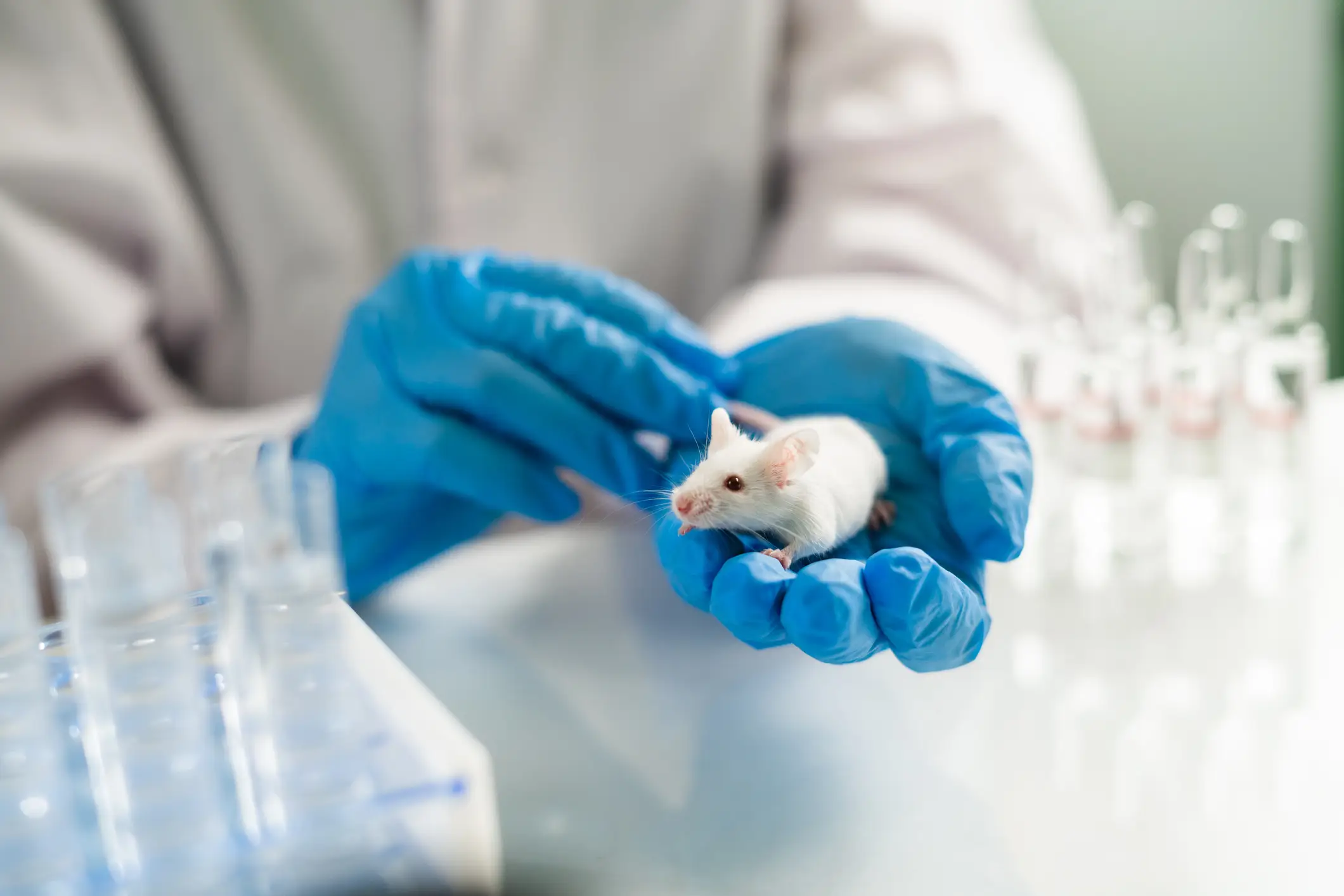
The idea was tested by introducing cancer cells into the hearts of mice, and then into vitro engineering cardiac models with or without normal mechanical load - which is the physical forces and stresses acting on the heart muscle as it fills with and pumps blood.
Human tissue samples from rare cardiac metastases and corresponding extracardiac tumors were also compared.
The results showed that when the heart’s mechanical load was slowed down, cancer cells started to multiply. But when the heart worked at a normal pace, they died off.
'The cardiac environment is unfavourable to tumour cells'
It was also found that the pumping action stimulated the production of a protein called Nesprin-2, transmitting a signal to the nucleus of a cancer cell to tell it to stop reproducing, as the environment is not suitable.
The study explains that collectively, 'these results shed light on the role of mechanical forces in protecting the heart from cancer and may pave the way to cancer therapies based on mechanical stimulation'.
The results may also suggest 'potential strategies for cancer therapy based on mechanical stimulation'.
Research leader Serena Zacchigna, a professor of molecular biology, said, per the Daily Mail: "This suggests the cardiac environment is unfavourable to tumour cells, partly because its continuous mechanical activity physically limits their expansion."
Even though this type of cancer is rare, it's still important to understand why it develops and look into finding a way to treat it when it does as, after all, it's one of the most vital organs in the human body.
 Emily Puckering