
Scientists reveal how colon cancer is only type of cancer where deaths are increasing for people under 50

Warning: This article contains discussion of cancer which some readers may find distressing.
Even though the world can seem like an increasingly gloomy place, one shining light in the darkness has to be the ever-increasing number of people surviving cancer. However, the exception, sadly, is colon cancer.
Modern science has allowed humanity to fight back against many cancers that would previously have gone undetected and untreated, causing millions to live longer and healthier lives. But for a certain group, colon cancers are beating this positive trend.
Scientific progress has drastically reduced the number of cancer deaths across all age groups, including almost all cancers that affect younger people. But, despite deaths from all other forms of cancer decreasing, forms of the disease that affect the colon have continued to rise in those under the age of 50.
Advert

According to a new report from the American Cancer Society, for the first time, colorectal cancer has become the leading cause of cancer-related deaths in younger people - and scientists say the reason could be a lack of awareness of the disease's more obvious warning signs.
Researchers exploring the causes of early-onset cancer analyzed the mortality rates of the five deadliest cancers among men and women under the age of 50.
Amazingly, they found that cancer deaths in this age cohort had fallen by 44 percent between 1990 and 2023. This fall was reflected across four of the five most common types of the disease.
But while declines in smoking rates, early detection and better treatments have seen more and more young patients survive cancer, the number of people dying from colorectal cancer has steadily increased by around two percent each year.
This means that it is now the deadliest cancer for under 50s, after being fifth in 1990. It is the leading cause of cancer deaths in younger men, and the second, behind breast cancer, in women, this is despite colorectal cancer traditionally considered an age-related disease.
“They’re considered cancers of aging,” gastrointestinal cancer expert Jeff Meyerhardt MD, told Scientific American. “At least in the case of colorectal cancer, the age [of onset] was set for quite a while, until more recently.”

Why are more young people dying from colorectal cancers?
Scientists have pointed to the lower rates of early detection in colorectal cancers, an important factor in survival, as one of the causes for this increased mortality in younger Americans.
This is, in part, because the under-50s are less likely to come forward when they experience the major red flags of the condition, which include bloating, blood in their stool, and painful bowel movements.
Standard screening for this type of disease does not kick in until someone reaches the age of 45, a guideline which has already been lowered by five years as a result of the growing prevalence of colorectal cancer in younger people.
But scientists are also asking how these cancers are even developing in young people in the first place, as a person in their 20s or 30s diagnosed with a colorectal cancer would have to have been a teenager when the tumorous growth started.
What is causing more young people to develop these cancers?
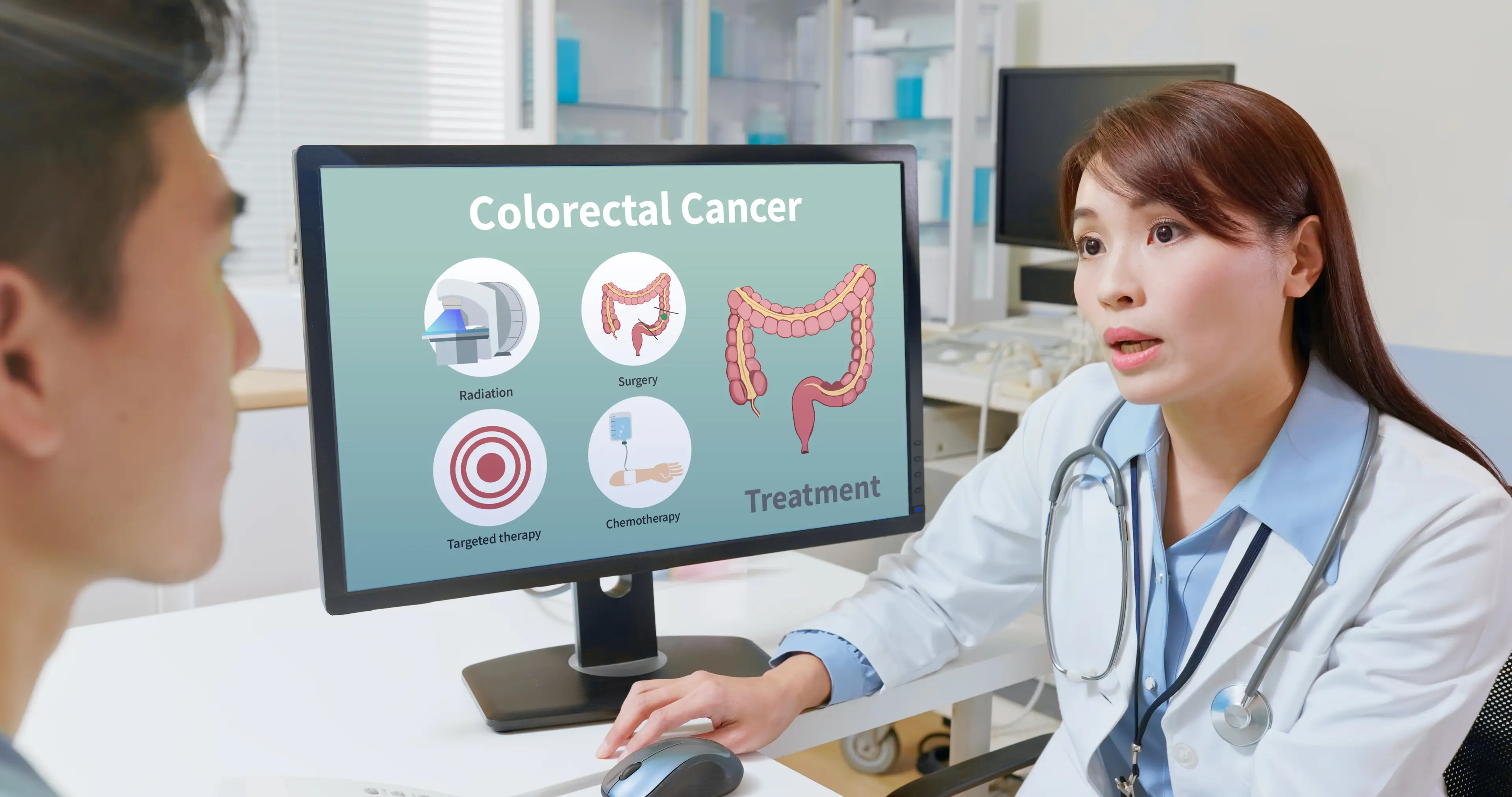
Andrea Cercek, co-director of the Center for Young Onset Colorectal and Gastrointestinal Cancer, explained: “If you think about the typical process for, let’s say, a 22-year-old, the polyp would have had to start, literally, when they were 10.
"We’re very interested to see if there is something about the process that might be more accelerated, that might be different."
Current hypotheses for this increased prevalence of deadly colorectal cancers in young people are largely focused on broad-scale changes that have taken place in the past 30 years, including lifestyle, diet, and even microplastics.
But Cercek added: "What’s happening ‘big picture’ is alarming. But it’s super important to acknowledge that survivorship for a young adult with colorectal cancer is life-changing. It’s incredibly difficult and can be incredibly taxing from an emotional, physical and financial standpoint.
"The more that we can diagnose early, the better it will be for our patients."
If you’ve been affected by any of these issues and want to speak to someone in confidence, contact the American Cancer Society on 1-800-227-2345 or via their live chat feature, available 24/7 every day of the year.
Topics: Cancer, Health, Science, Colon cancer
 William Morgan