Iran's new supreme leader fires missiles marked with a clear message on the side

Factional groups inside Iran, who have survived more than a week of heavy bombardment and targeted tactical airstrikes from the US and Israel, have chosen a new leader.
But his first move in power shows that the war is no closer to being over.
Iran's 'Assembly of Experts', a body made up of the Islamic Revolutionary Guard Corps (IRGC) and various political groups, met over the weekend to decide who should succeed Supreme Leader Ayatollah Khamenei, after he was killed in a strike on the first day of the war, February 28.
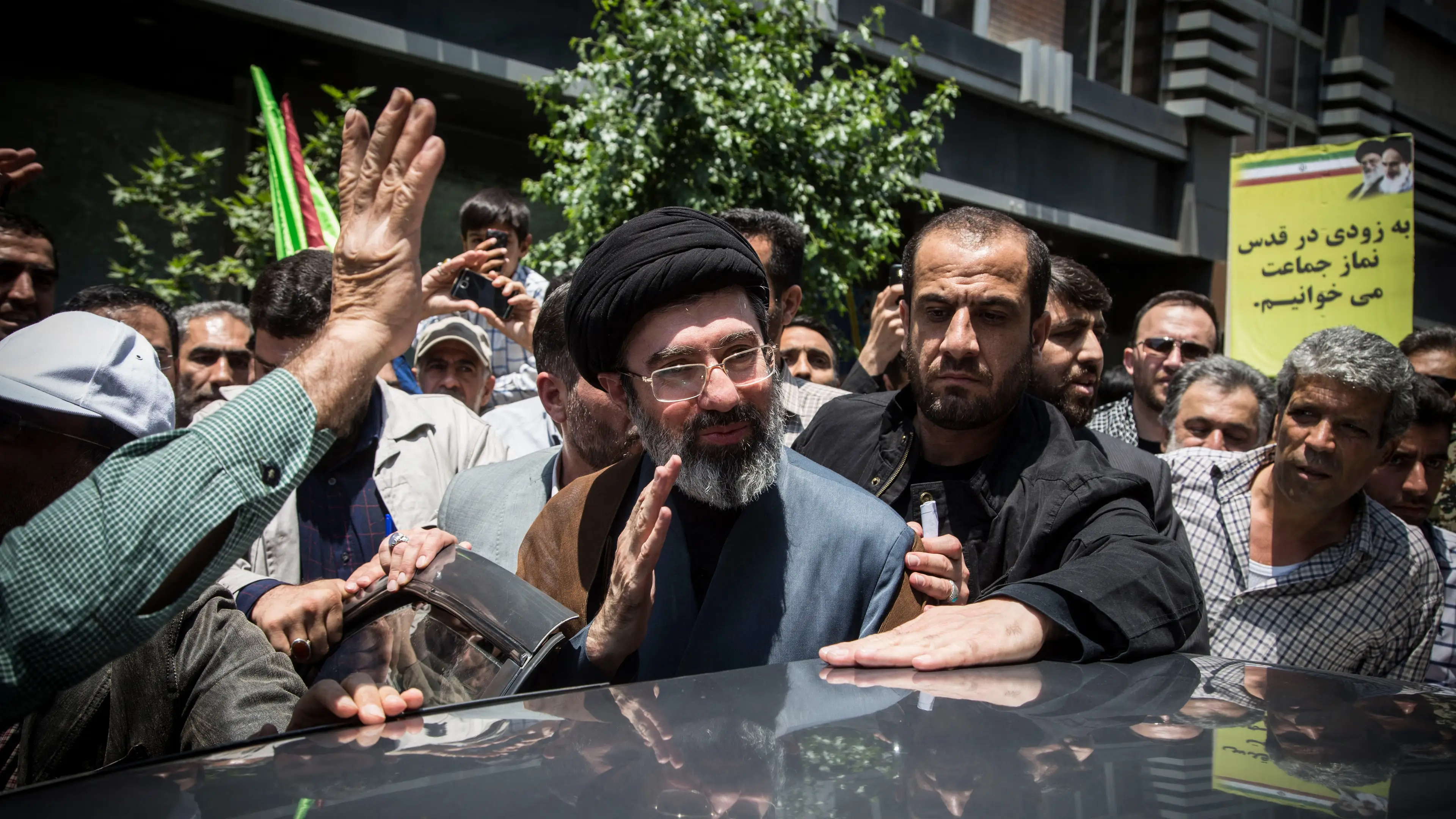
The political factions who overthrew Iran's hereditary monarchy in 1979 selected his second son, 56-year-old Ayatollah Mojtaba Khamenei, as his successor.
Advert
The country's defense council said after his appointment: "We will obey the commander-in-chief until the last drop of our blood."
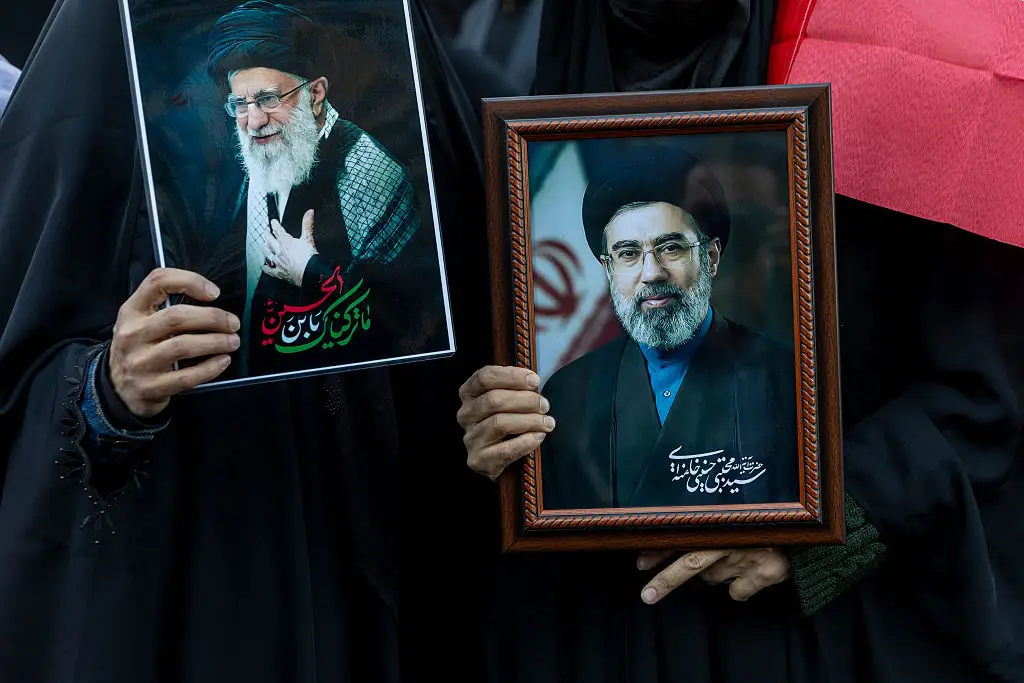
This new Ayatollah Khamenei, widely described as more hardline than his father, made one of his first acts in office a highly symbolic one.
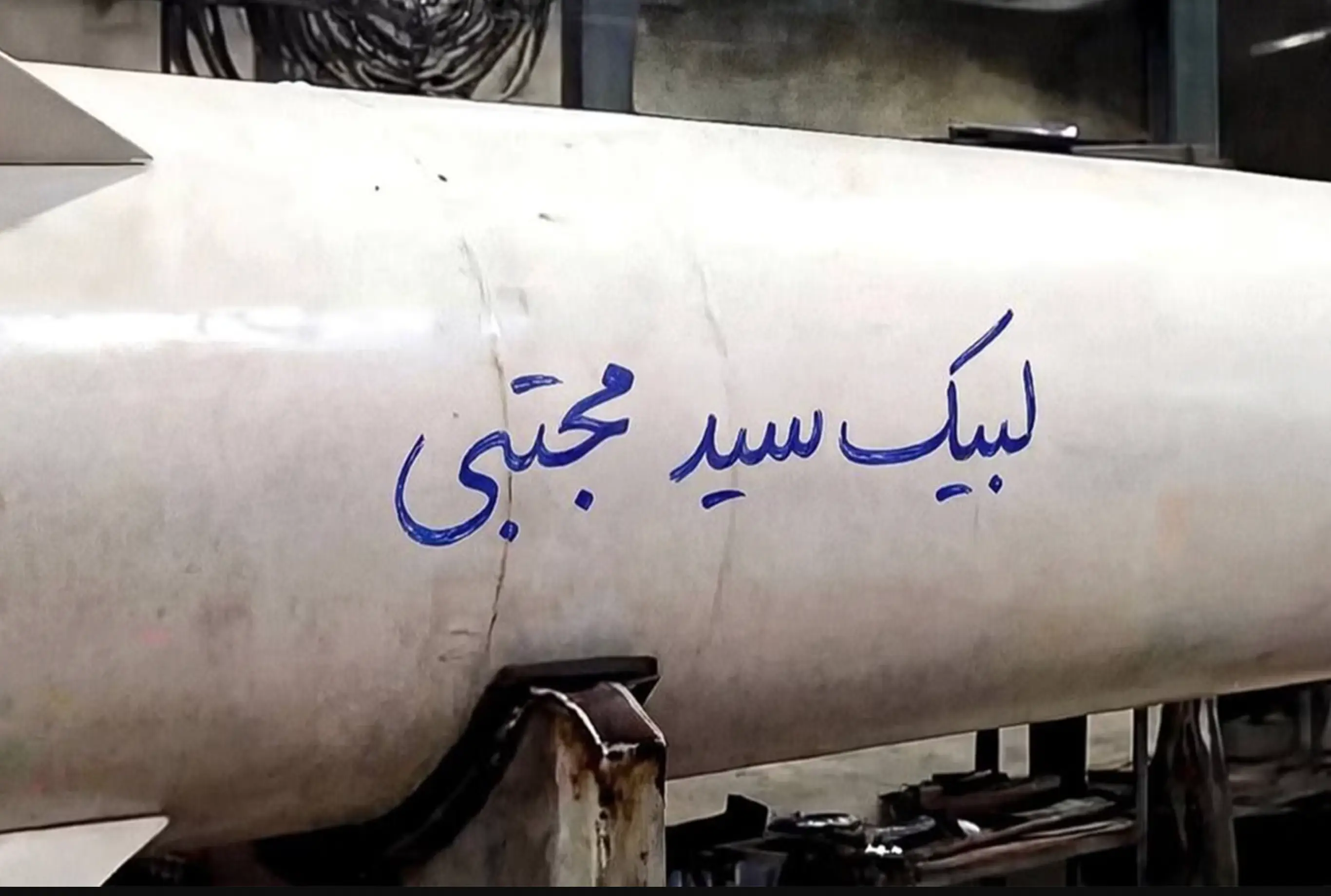
Images shared by the state broadcaster show him signing a missile 'At your service, Sayyid Mojtaba', before having it launched at Israel.
President trump has already signposted his feelings about the new ayatollah.
Earlier last week, he made it clear that Mojtaba was an 'unacceptable' choice, adding that any leader was 'not going to last long' without US approval.
Speaking to Fox and Friends on Sunday, the president said he was 'not happy' about the new Ayatollah Khamenei, with Trump later telling the Times of Israel that 'we'll see what happens' in relation to his appointment.
He also justified the US and Israel's war on Iran, claiming 'Iran was going to destroy Israel and everything else around it,' while adding that the conflict would only end as the result of a 'mutual' decision with Israel.
Indeed, the naming of Mojtaba, whose wife was killed in the same strike as his father, has dashed any immediate hopes that Iran's leadership would move towards a position where a settlement could be reached.
The new Khamenei is understood to be closer to the militant faction driving much of the country's response, the IRGC.
The group, a parallel military structure inside Iran created to safeguard the clerical elite that took over in 1979, pledged to 'fully obey and sacrifice for the divine commands' of their new leader and 'maintain the values of the Islamic revolution and safeguard the legacies,' in the wake of his appointment.
Inside Iran, the reaction to the accession of their new supreme leader has been typically mixed. Crowds of thousands could be seen in pictures shared by the state broadcaster swarming into squares in Tehran to show their support.
Meanwhile, other reports that have managed to escape the country, which has been cutoff from the internet for more than a week, indicate that many see Mojtaba Khamenei, as a continuation of leadership.
'Death to Mojtaba,' people could be heard shouting from residential tower blocks in the country, after his appointment was announced to ordinary Iranians en masse via a text alert, cell phone footage sent to the BBC revealed.
An Iranian, described by the broadcaster as a man in his 30s who lives in Tehran, was downbeat about the the new ayatollah. "Even the thinnest of chances for a change are no more within the system," he said.
"So, everything will remain much the same; they don't even need to change their chants to support the [new leader]."
Topics: Iran, World News, Donald Trump, Israel
 William Morgan