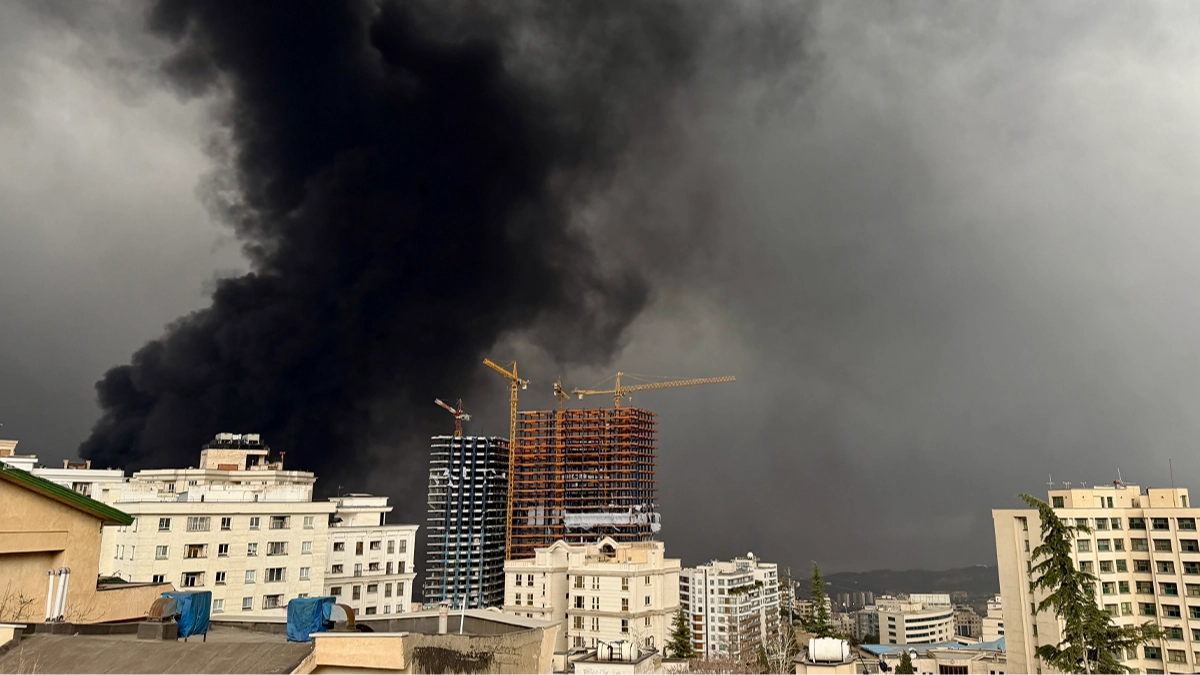
Pentagon shares eye-watering amount the US have already spent on Iran attacks in one week

In just a week, the war between the US, Israel and Iran has already cost the American taxpayer a stunning amount.
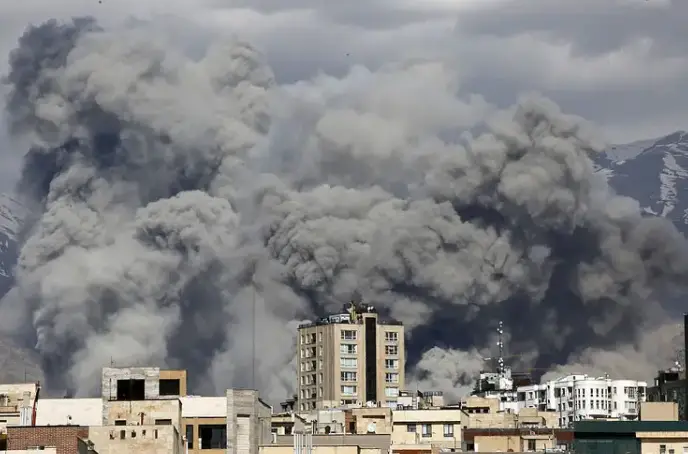
War erupted between Iran and the US and Israel after the latter nations struck locations in Tehran on February 28, sending the Middle East into disarray.
The US’ Operation Epic Fury was able to successfully kill the Iranian Supreme Leader Ali Khamenei in his residence in Tehran.
As well as this Iran has reported at least 555 deaths, 180 of those reportedly coming from a girl’s elementary school.
Advert
The nation then retaliated by striking US bases in neighboring countries.
While Trump has said the operation has so far been successful for the US, after just a week it has already been an expensive affair.
US defense officials told Congress that the first week of the conflict has cost about $6 billion. It is estimated that $4 billion of that amount used for munitions and high-end missile defense interceptors.
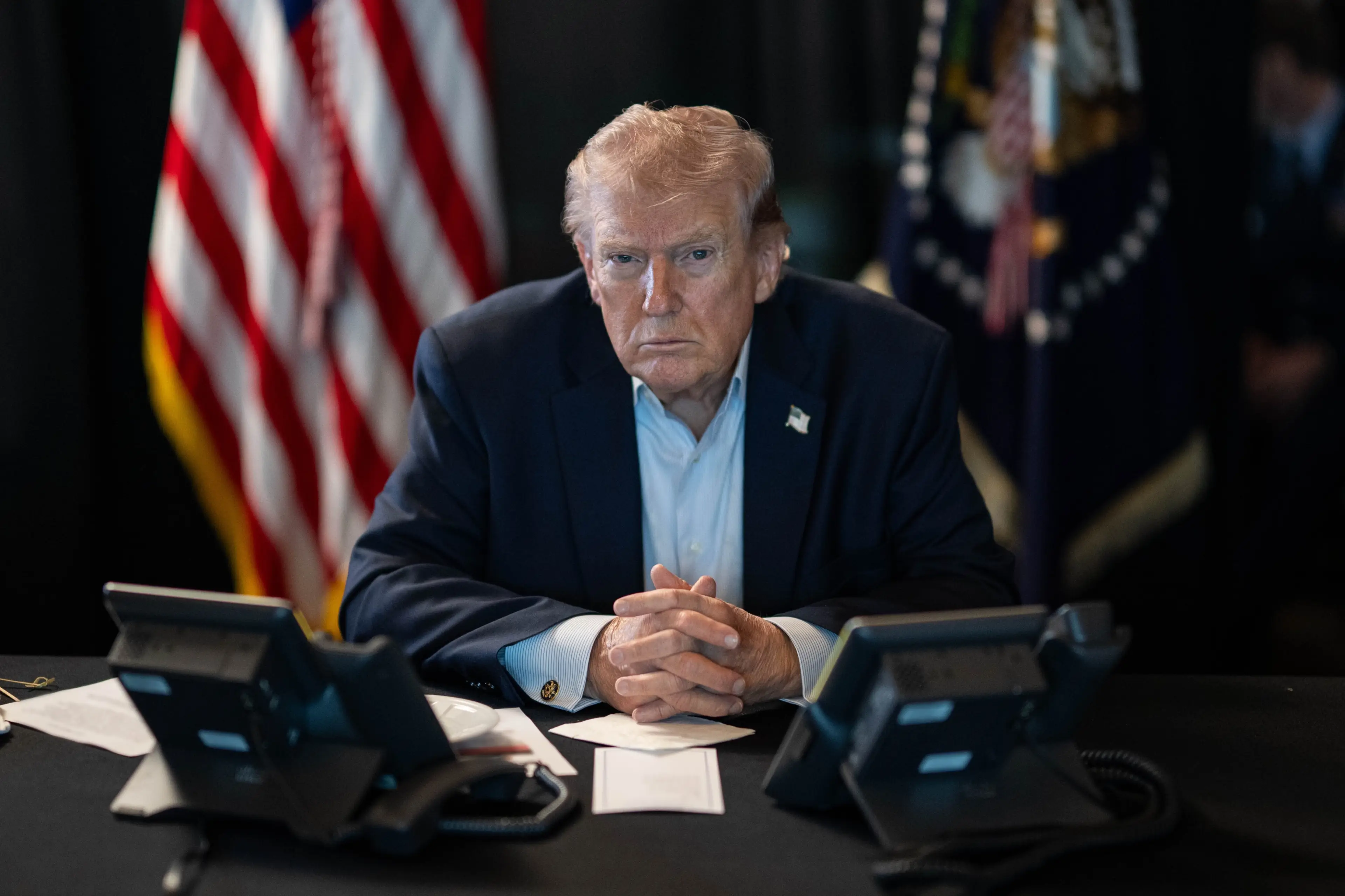
According to the New York Times, Republicans are expecting the Trump administration to seek more funding for the war from Congress at a later date.
According to a Daily Sabah report, the head of head of US Central Command, Adm. Brad Cooper has spoken of the apparent success so far against Iran.
He said Iran's ballistic missile launches have dropped 90% since the first day of fighting, while drone attacks are down 83%.
In America, people have already begun to feel the pinch of the conflict as gas prices have seen an increase in price as some have reported seeing prices increase by 20 to 30 cents per gallon.
As well as this, Goldman Sachs has estimated that inflation could rise to 2.7 percent by May.
However, JP Morgan Chase Chairman and CEO Jamie Dimon told CNBC that this inflation hike could be short-lived if the war isn’t prolonged.
He said: “If it’s not prolonged, it’s not going to be a major inflationary hit. Again, if it went on for a long time, that would be different.”
It is not clear how long the conflict could go on for and Trump has previously admitted that it could go on longer than expected.
Initial projections suggested four to five weeks of combat, but earlier this month the president said it might 'go far longer than that' as the US military has the 'capability' to do so.
 Gerrard Kaonga