US Army now says toxic dust will travel 100 miles in disturbing update from Iowa explosion

US army officials have warned that toxic dust from Iowa's controlled lead explosion could now travel further than expected.
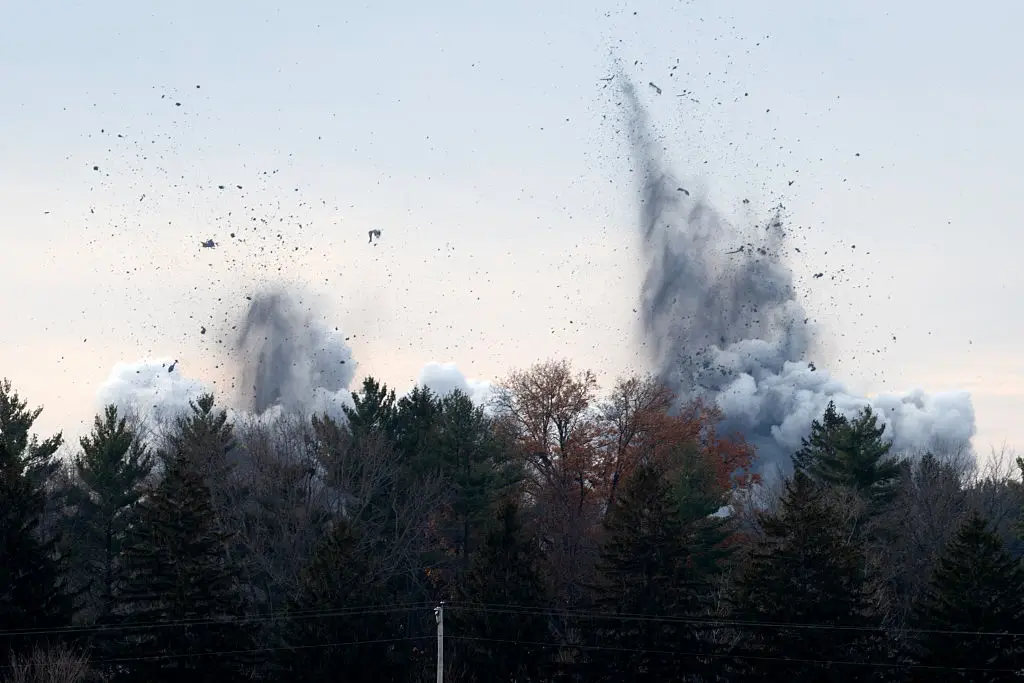
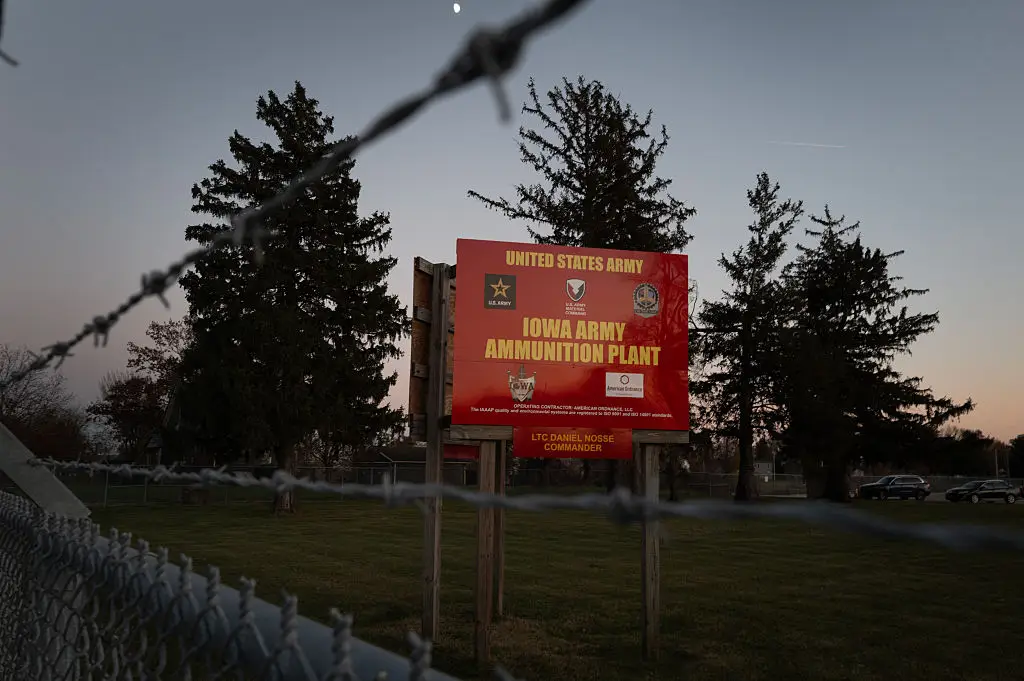
Thousands of families were evacuated from the areas surrounding the Iowa Army Ammunition Plant near Middletown, prior to a controlled detonation involving 68 barrels of lead azide earlier today (November 25), following unanimous approval from the federal agencies involved.
But officials now warn that the particles could drift up to 100 miles from the blast site into northeastern Missouri.
According to maps published by the army, winds are expected to carry potentially dangerous particles from the controlled explosion southeast, passing the city of Macon, Missouri, before travelling towards Kansas City.
Advert
Prior to the demolition in a statement yesterday (November 24), officials said: "Deposition of lead-containing dust may occur after the detonation on surfaces within certain areas affected by the detonation’s dispersion.
"All people, but especially infants, children, pregnant women, adults and children with chronic diseases such as heart disease, kidney disease, or dementia, should avoid outdoor activities within affected areas until further guidance is provided."
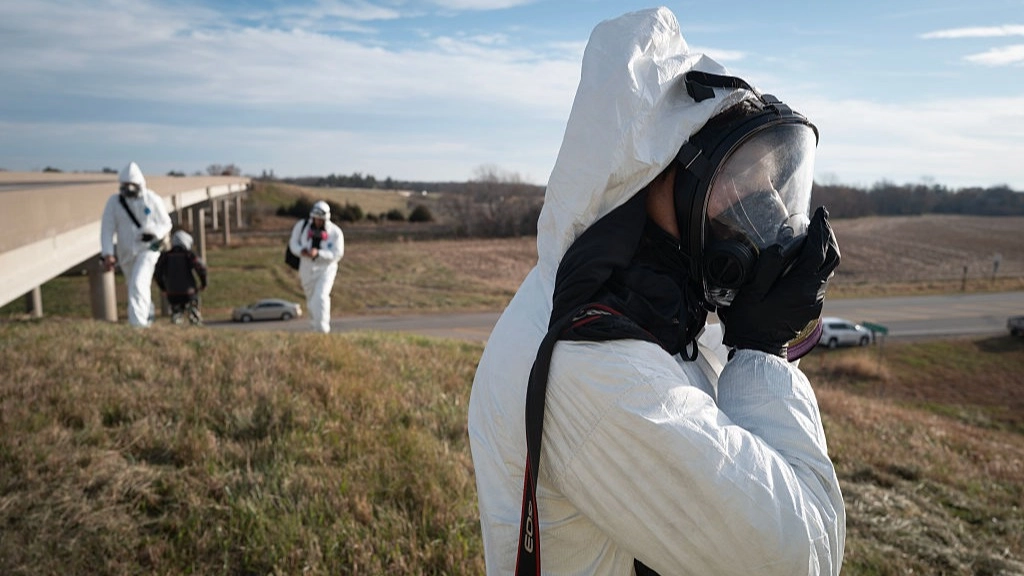
Just hours ago, officials warned that 'evacuation is no longer safe or advised', and that those within 5 to 20 miles of the site should stay indoors with their widows and doors closed to block the dust from entering.
Following the demolition, Missouri Governor Mike Kehoe, wrote on X: "Initial analysis shared with us by federal partners and Iowa Homeland Security and Emergency Management indicates that the mitigation measures appear to have been successful and the explosion was well-contained."
However, David Gay, a former coordinator of the National Atmospheric Deposition Program, suggested the lead particles would disperse relatively quickly.
He added that levels of contamination at the outer limits of the Army's predicted fallout zone are expected to be relatively low, The Washington Post reported.
"To get into the Mississippi," Gay said, "it would have to go into another river and migrate downstream. And by that time it will be very, very dilute. It’s always possible, but unlikely and very dilute concentrations."
The facility has housed the highly sensitive explosive, commonly used to initiate munitions, for over 20 years.
Airspace restrictions have also been imposed over Middletown by the Federal Aviation Administration (FAA), remaining in place from Monday until Wednesday, while Iowa Governor Kim Reynolds ordered the activation of the state's emergency operations centre on November 20.
 Mia Williams