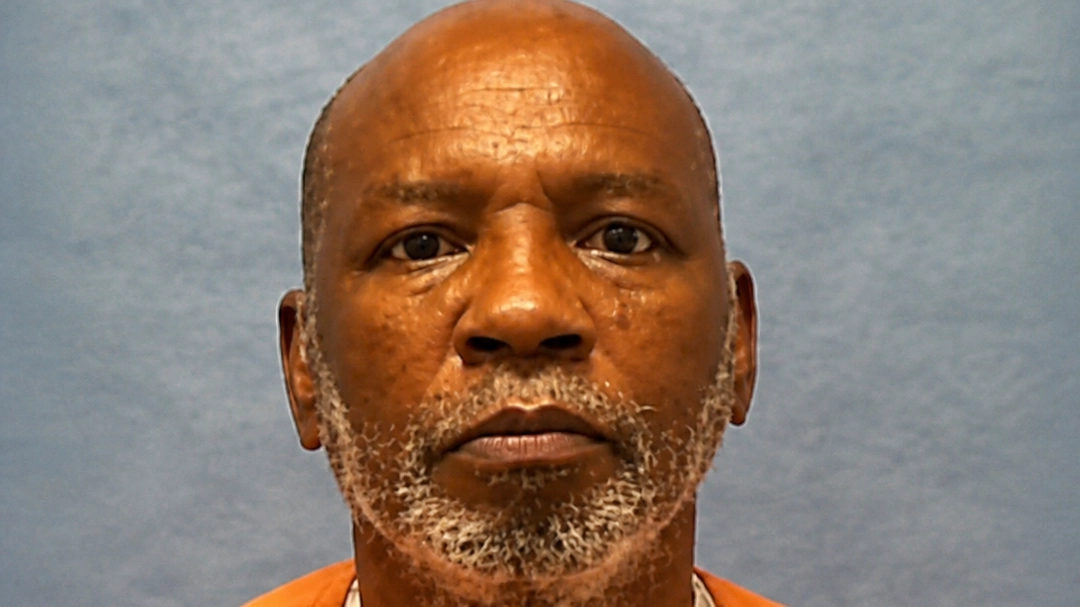
How much Florida pays its executioner per death sentence as state set to carry out 18th execution of 2026

As Florida prepares to execute their 18th inmate of the year, less is known about the person tasked with carrying out the sentence - including how much they are paid for each execution.
The state of Florida is set to execute 77-year-old William Reaves Jr. today (October 20), following the 1986 murder of 29-year-old Cpl. Richard Raczkowski.
It comes just weeks after Tennessee inmate Christa Pike survived her botched execution, as she woke up in hospital just days later.
And while much is known about the inmates facing execution at the hands of the state, far less is known about the person, or sometimes people, entrusted with the responsibility of carrying it out.
Advert
In Florida, their identity is protected, as the corrections department states 'the executioner is a private citizen'.
And as for their pay, the role reportedly comes with a fee of $200 per execution, which comes through the state prison system.
Florida's executioner is selected by the warden of Florida State Prison, and a 1998 Senate report outlined that applicants had to demonstrate willingness to participate and agree to keep execution proceedings confidential.
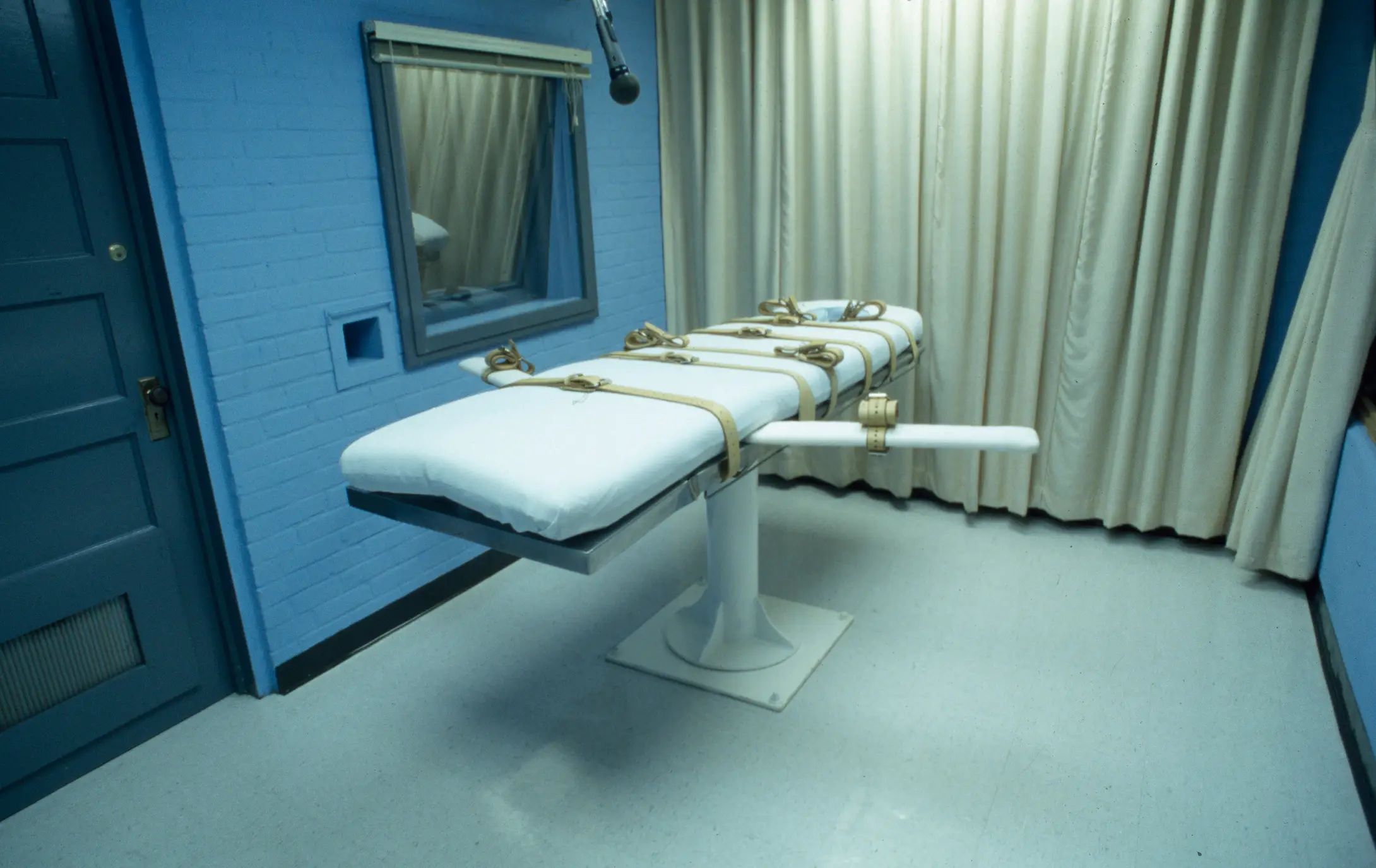
Florida's procedures state the warden selects a primary executioner and a secondary one, who can take over if the primary is unable to perform their role.
Who is William Reaves Jr.?
On September 23, 1986, Reaves, a Vietnam War veteran, called 911 from a payphone outside a convenience store because he did not have money for a taxi.
Deputy Raczkoski responded and was trying to arrange a cab for him when a gun fell from Reaves' shorts. The two men struggled over the weapon, and Reaves regained control of it.
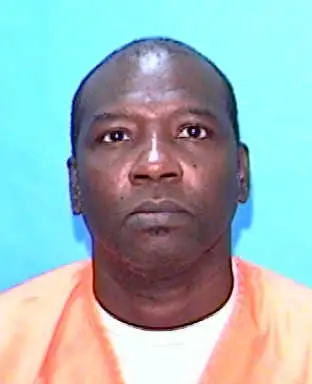
According to court records, Raczkoski attempted to flee, but Reaves shot him four times in the back, and the deputy later died from his injuries.
But more than 100 military veterans have urged Florida to rethink his execution, noting that the veteran had suffered from PTSD and 'could never fully shake the feeling that he was under attack'.
His former attorney, Chance Meyer, claimed that on the night of the murder, Reaves 'thought he was fighting for his life', and that jurors never heard about his mental struggles.
"In the prevailing narrative, he’s a monster who shot a good cop as the man begged for his life," he wrote.
"But in the untold story, he’s a victim of circumstance - a sweet kid from a small town who was sent to war, trained to kill in the service of his country, and returned home a psychological ruin."
 Mia Williams