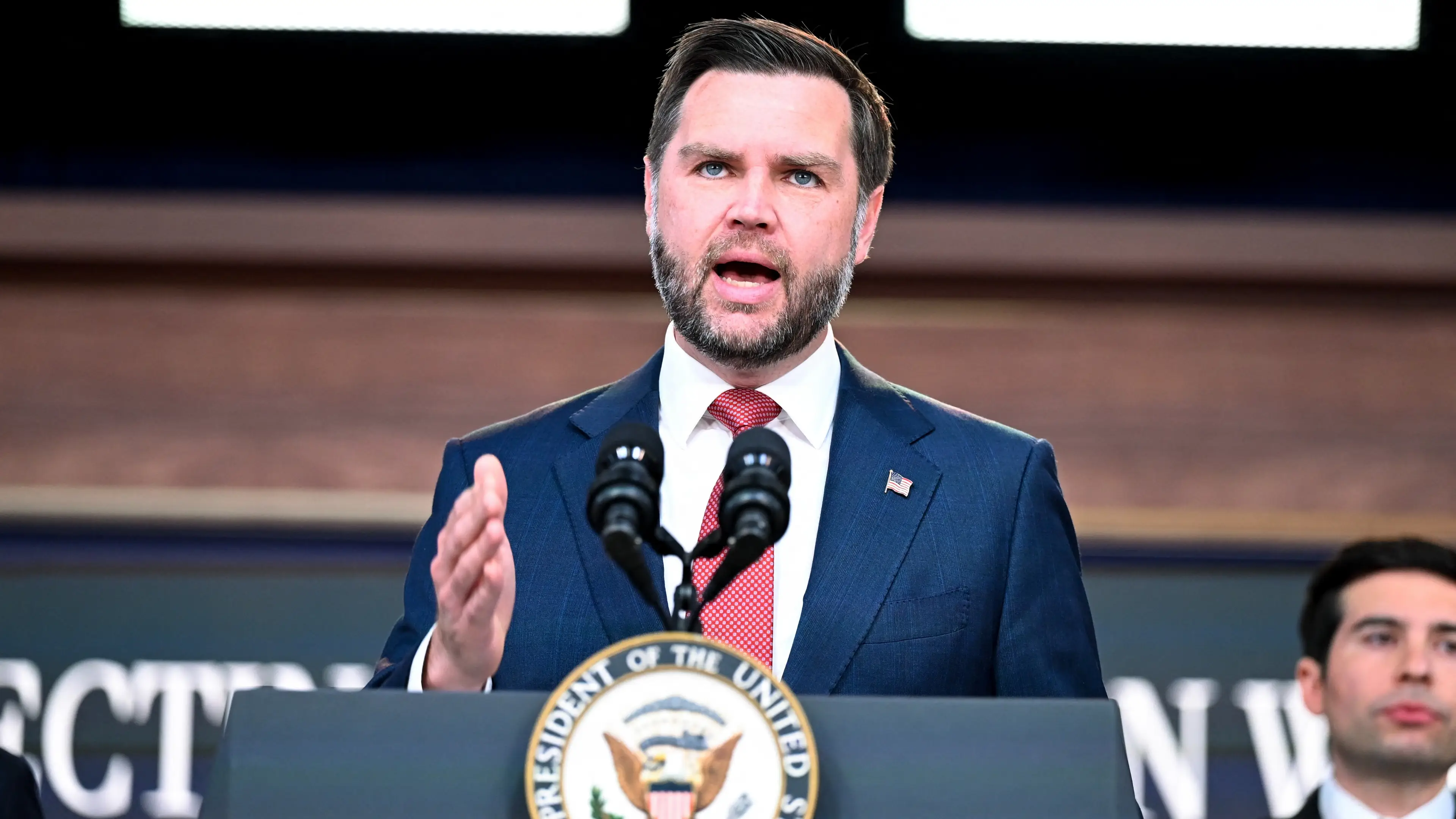
AI predicts which of the potential 2028 presidential candidate is most likely to win the White House

The next president is soon to make an appearance when the elections happen in two years, so it’s a good thing technology has an idea of who is likely to rule the country to give you time to prepare.
The 2028 presidential candidate pool is growing, and while it isn’t official who will be running, you know the frontrunners already.
For example, when it comes to the Democratic and Republican primaries, a Focaldata and Financial Times poll has all the answers about who is set to go head-to-head.
Released on Sunday (October 11), it shows some familiar figures from the past and present could be about to try their luck at winning the election.
Advert
Former Vice President Kamala Harris and current Vice President JD Vance are both at the top of their respective party’s idea of who could run for POTUS, per the poll.
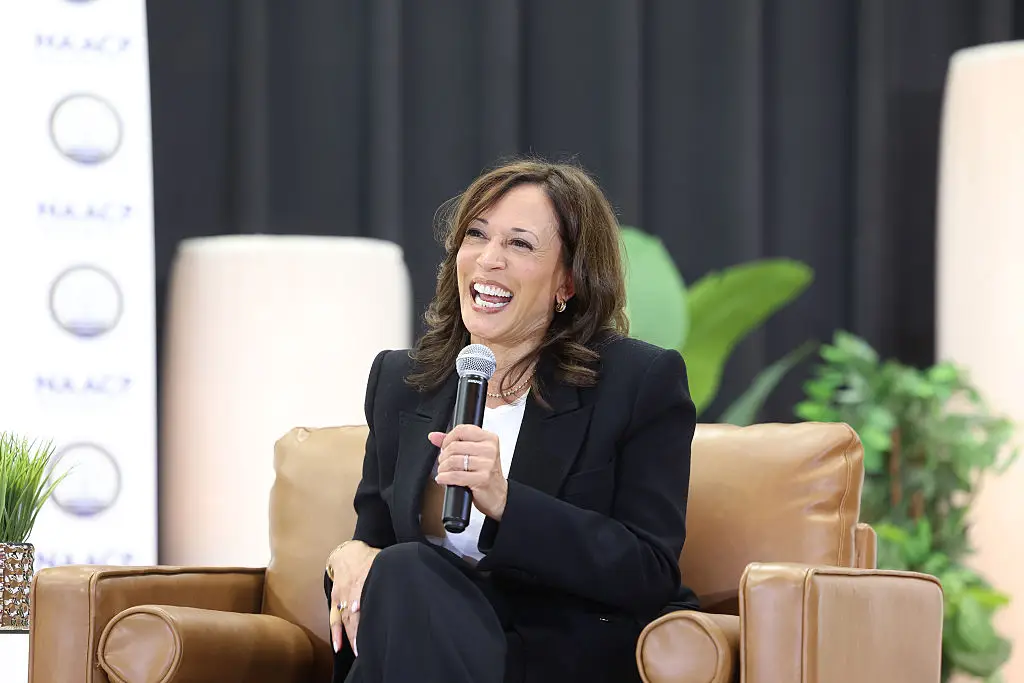
According to the survey, Harris has a 30 per cent support, while Vance has a 38 per cent support from the Republicans.
From there, there is California Governor Gavin Newsom being favored by 15 per cent of Democrats, and then and Alexandria Ocasio-Cortez and former Transportation Secretary Pete Buttigieg having nine per cent of backing.
As for Republicans, behind Vance is Secretary of State Marco Rubio (24%), and with Florida Governor Ron DeSantis finishing last (9%).
Betting companies also have similar views on who could end up winning the election based on who is leading with voters.
Polymarket published the following predictions on its site for betters to take note of:
- 20% to Alexandria Ocasio-Cortez
- 13% to Jon Ossoff
- 10% to Gavin Newsom
- 8% to Marco Rubio
But when it comes to the winner of the 2028 election, AI doesn’t think any of the Democrats are likely to fare well.
In fact, it places its trust in Vance being named the next POTUS and here’s why.
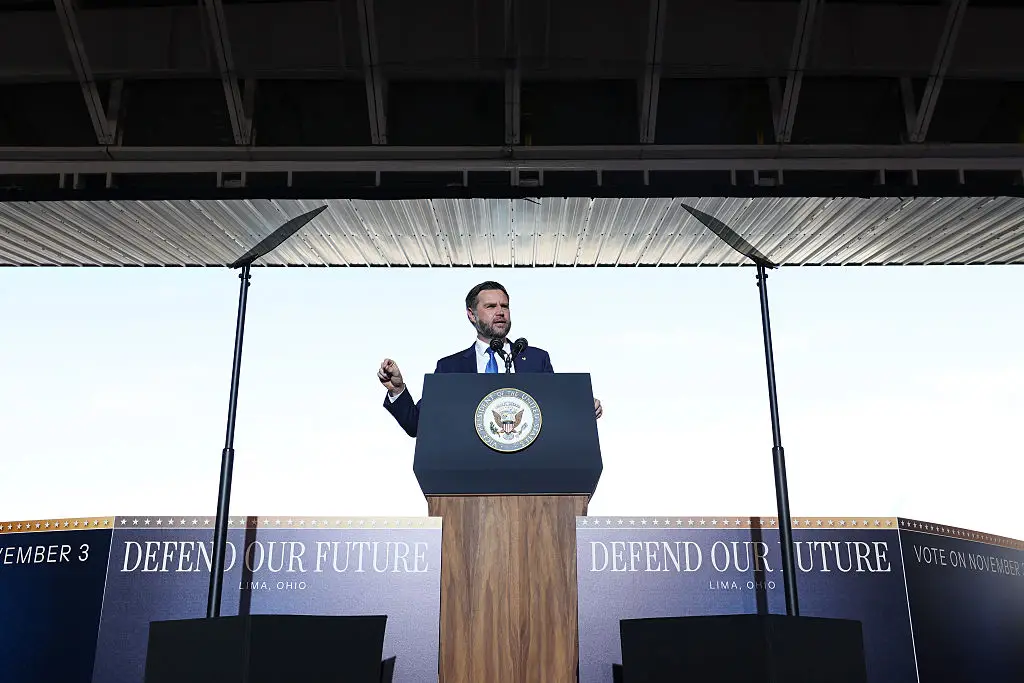
Calling him ‘the single likeliest candidate in these markets,’ AI revealed that this is because of several factors, including his relationship with the current sitting president – Donald Trump – and with a base of ‘voters who favour stricter immigration policies, economic nationalism, and an “America First” approach’, Vance could ‘inherit much of that support.’
However, the tide could very well change for Vance if things like 'inflation, housing costs, or unemployment remain major concerns.’
Then, it says Vance could be blamed for the economic struggle just by being associated with Trump and the Republican party.
Right now, per a Reuters/ Ipsos poll which asked Americans whether or not they approve of Trump, only 35 per cent said yes.
With Trump’s September approval rating standing with a 35 per cent approval and 59 per cent disapproval, it’s not looking great for the party.
Per figures released from YouGov's 'Direction of the United States' tracker, 64.4 per cent of respondents said the country is 'off track,' while 29.8 per cent said it is moving in the right direction.
So, it depends on how well Trump does.
Topics: Politics, Donald Trump, JD Vance, Kamala Harris
 Britt Jones