unilad homepage
unilad homepage
  • News
    • UK News
    • US News
    • World News
    • Crime
    • Health
    • Money
    • Sport
    • Travel
  • Music
  • Technology
  • Film and TV
    • News
    • DC Comics
    • Disney
    • Marvel
    • Netflix
  • Celebrity
  • Politics
  • Advertise
  • Terms
  • Privacy & Cookies
  • LADbible Group
  • LADbible
  • SPORTbible
  • GAMINGbible
  • Tyla
  • UNILAD Tech
  • FOODbible
  • License Our Content
  • About Us & Contact
  • Jobs
  • Latest
  • Archive
  • Topics A-Z
  • Authors
Facebook
Instagram
X
Threads
TikTok
YouTube
Submit Your Content
Doctors explain why missing just one hour of sleep can impact your body
Home>News>Health
Published 20:28 7 Jul 2026 GMT+1

Doctors explain why missing just one hour of sleep can impact your body

A new study has found a link between losing just over an hour's sleep and how active you are in the day - impacting your body in one key way

Joe Yates

Joe Yates

google discoverFollow us on Google Discover
Featured Image Credit: Getty Stock Images

Topics: Health, Science, US News

Joe Yates
Joe Yates

Joe is a journalist for UNILAD, who particularly enjoys writing about crime. He has worked in journalism for five years, and has covered everything from murder trials to celeb news.

X

@JMYjourno

Advert

Advert

Advert

If you think skipping an hour of sleep to binge-watch your favorite show is harmless, doctors have some pretty bad news for you.

A new study reveals that losing just over an hour of rest each night could cause you to gradually pack on the pounds.

The research, published in Annals of Internal Medicine, tracked 95 adults who typically slept between seven to eight hours every night.

During the study, participants completed a phase where they delayed their bedtime by 90 minutes, losing an average of 78.4 minutes of rest.

Advert

Shockingly, adults on the shortened sleep schedule gained an average of one pound over just a brief six-week period.

While one pound might sound modest, researchers warn that this mild, chronic sleep deprivation directly contributes to gradual weight gain over time.

If sustained for a whole year, missing about 80 minutes of shut-eye each night might lead to significant and noticeable weight gain.

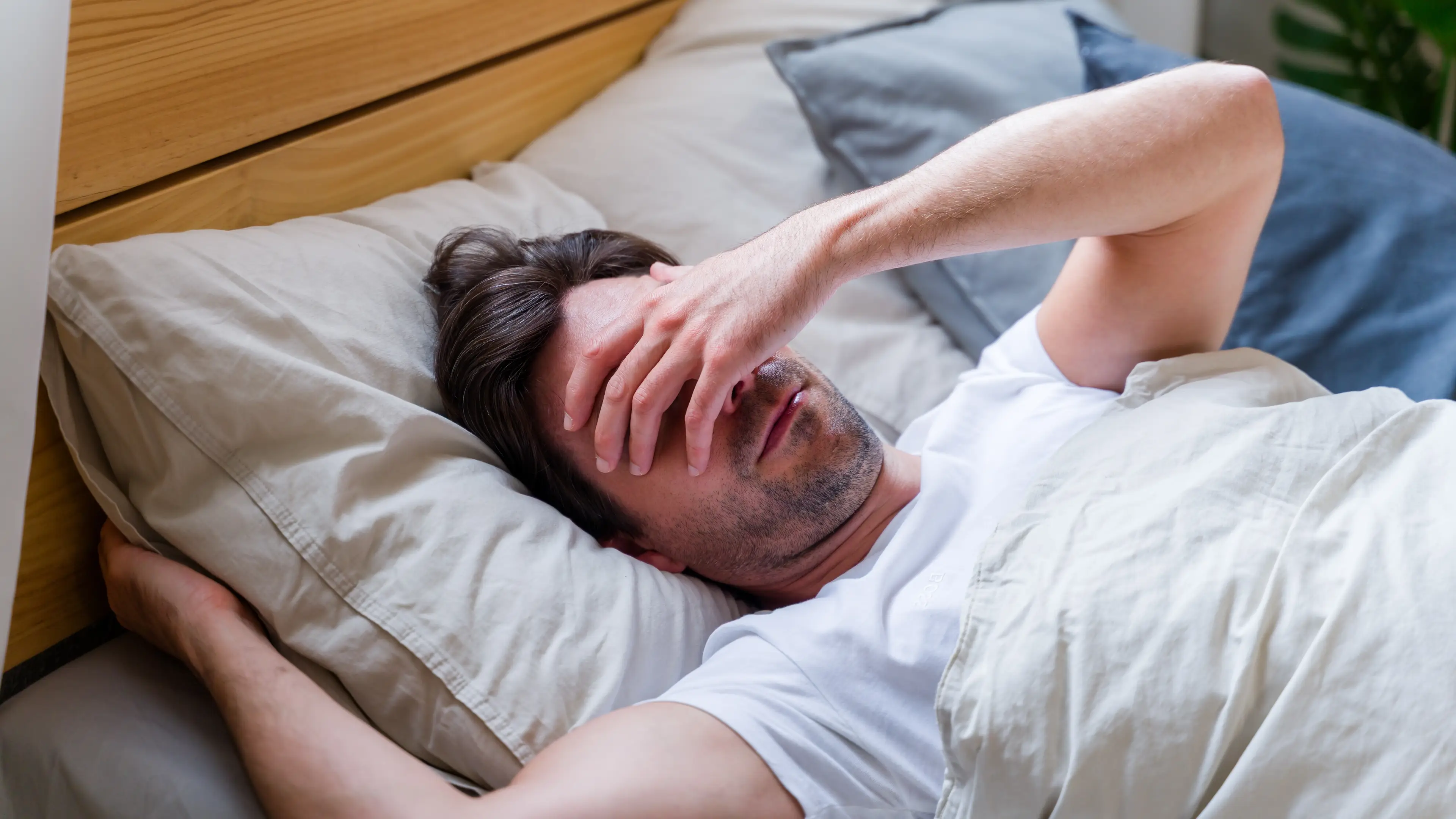
If you're like me and think 'one more episode can't hurt'... think again! (Getty Stock Images)

Study author Marie-Pierre St-Onge, from Columbia University, explained exactly what this means for the general public: “The main takeaway is that sustaining a reduction in sleep, to a duration that is often observed in the general population, leads to weight gain and increases in waist circumference."

But gaining weight isn't the only issue, as the study also discovered that getting less sleep makes people significantly less physically active.

During the restricted sleep period, participants spent an average of 17 extra minutes sitting around, changing how they utilized their waking hours.

For men and postmenopausal women, daily inactivity jumped by nearly 30 minutes, worsening an already poor lifestyle factor.

St-Onge explained: “Weight gain occurs through an imbalance in energy expenditure and energy intake favoring greater intake relative to expenditure (or conversely low expenditure relative to intake).”
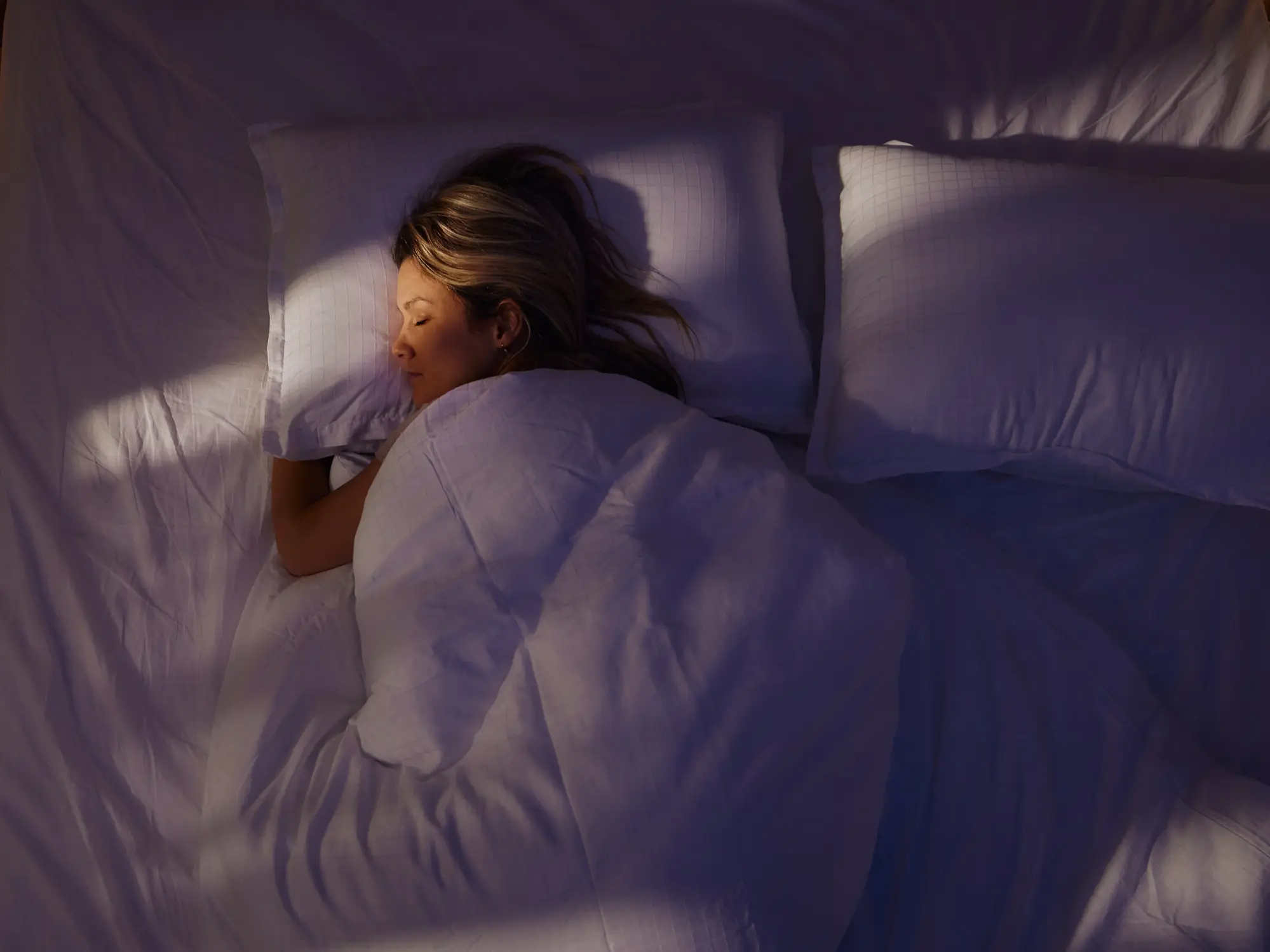
So, next time you think about staying up later than your usual bedtime - get some rest and do your body a favor! (Getty Stock Images)

This lack of sleep also heavily impacts internal biological processes linked closely to your overall metabolic and cardiovascular health.

Past evaluations noted a spike in insulin resistance among women already facing higher health risks, which can heavily increase the chances of type 2 diabetes.

Researchers also discovered alarming signs of cellular heart inflammation in patients subjected to extended periods of mild sleep loss - this dangerous combination can trigger stress hormones and inflammation, increasing the long-term risk of cardiovascular disease.

Past research shows severe sleep loss increases appetite because of rising ghrelin, the hunger hormone, and declining leptin, the fullness hormone.

To fix your sleep hygiene, St-Onge recommends making incremental increases to your time in bed to gradually adjust your body, while also advising eliminating habits that interfere with falling asleep, such as eating close to bedtime or consuming late-day caffeine.

Prioritizing adequate sleep alongside a healthy dietary plan and regular exercise is vital to avoiding obesity and chronic health problems.

  • Experts explain how every hour of sitting can increase the risk of 'multiple forms' of cancer
  • Doctors explain how unexpected sex act can make your period come early
  • Experts warn about the horrifying impact your sleep position could be having on your body
  • Doctors detail unexpected 'summer penis' condition men may experience in US heatwave

Choose your content:

an hour ago
2 hours ago
3 hours ago
  • Karwai Tang/WireImage
    an hour ago

    Tom Holland admits he thought Christopher Nolan hated his acting as he cut every 3 minutes for surprising reason

    Tom Holland admitted his first day on Christopher Nolan's new epic was incredibly stressful because he thought Nolan didn't like his work

    Film & TV
  • Kyle Grillot/Bloomberg via Getty Images
    2 hours ago

    Biohacker Bryan Johnson shares message to critics after revealing he has incurable disease

    Bryan Johnson spent a reported $2m a year managing his health, but now has to face living with an incurable disease

    News
  • Alex Grimm/Getty Images
    2 hours ago

    All 48 World Cup nations ranked worst to first with 40 already eliminated

    With just nine teams left in the 2026 World Cup, we rank the remaining contenders and every eliminated nation by points and goal difference

    News
  • FOX
    3 hours ago

    Real reason why players are cutting the back of their soccer cleats as new trend sparks confusion at World Cup

    The unusual trend sees players having a strange hole of their shoes and socks

    News