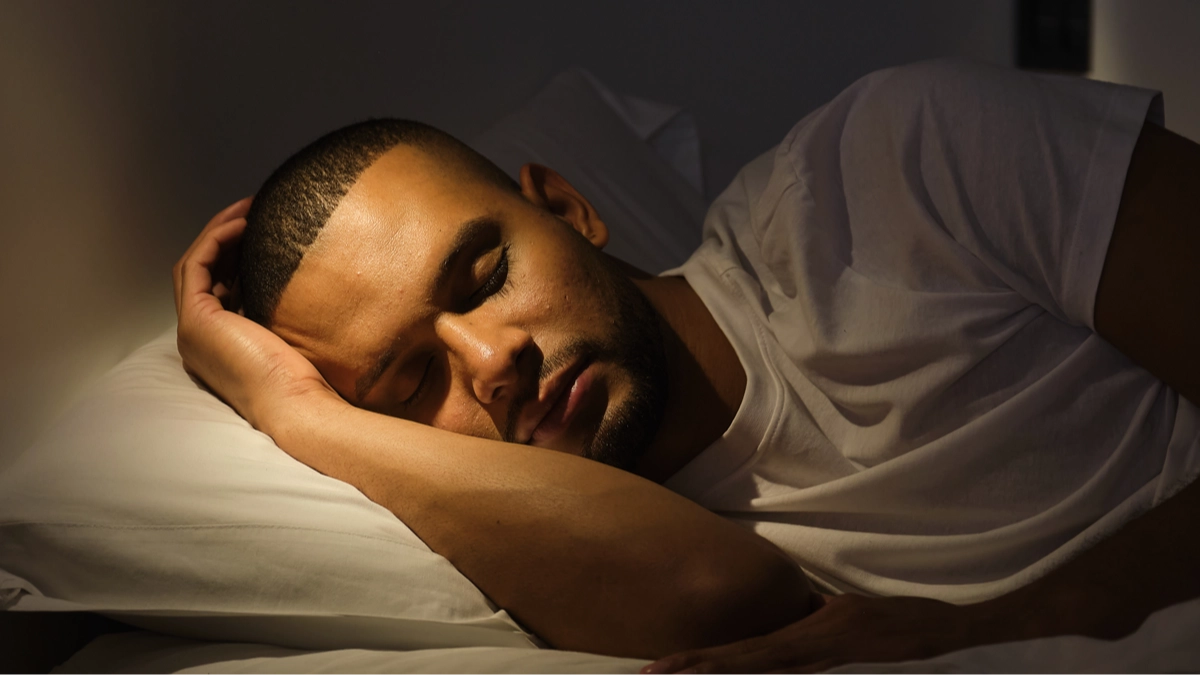
Experts warn about the horrifying impact your sleep position could be having on your body

A sleep specialist has explained why your favored snoozing position may be causing havoc with your health.
Everyone has a preference when it comes to napping, right? It may be on your back, or my favorite - flat out on my front with my right leg curled up.
You may be loyal to side sleeping like thousands of other Americans, or maybe you’re prone to defaulting to the fetal position.
However, the way you catch some Z’s could cause injury and worsen existing conditions, so you may want to switch it up, according to a behavioral sleep expert.
Advert
Shelby Harris, who is also a clinical psychologist, told Fox News Digital that when we sleep in awkward positions, our body's nerves, muscles, and ligaments can feel stress.
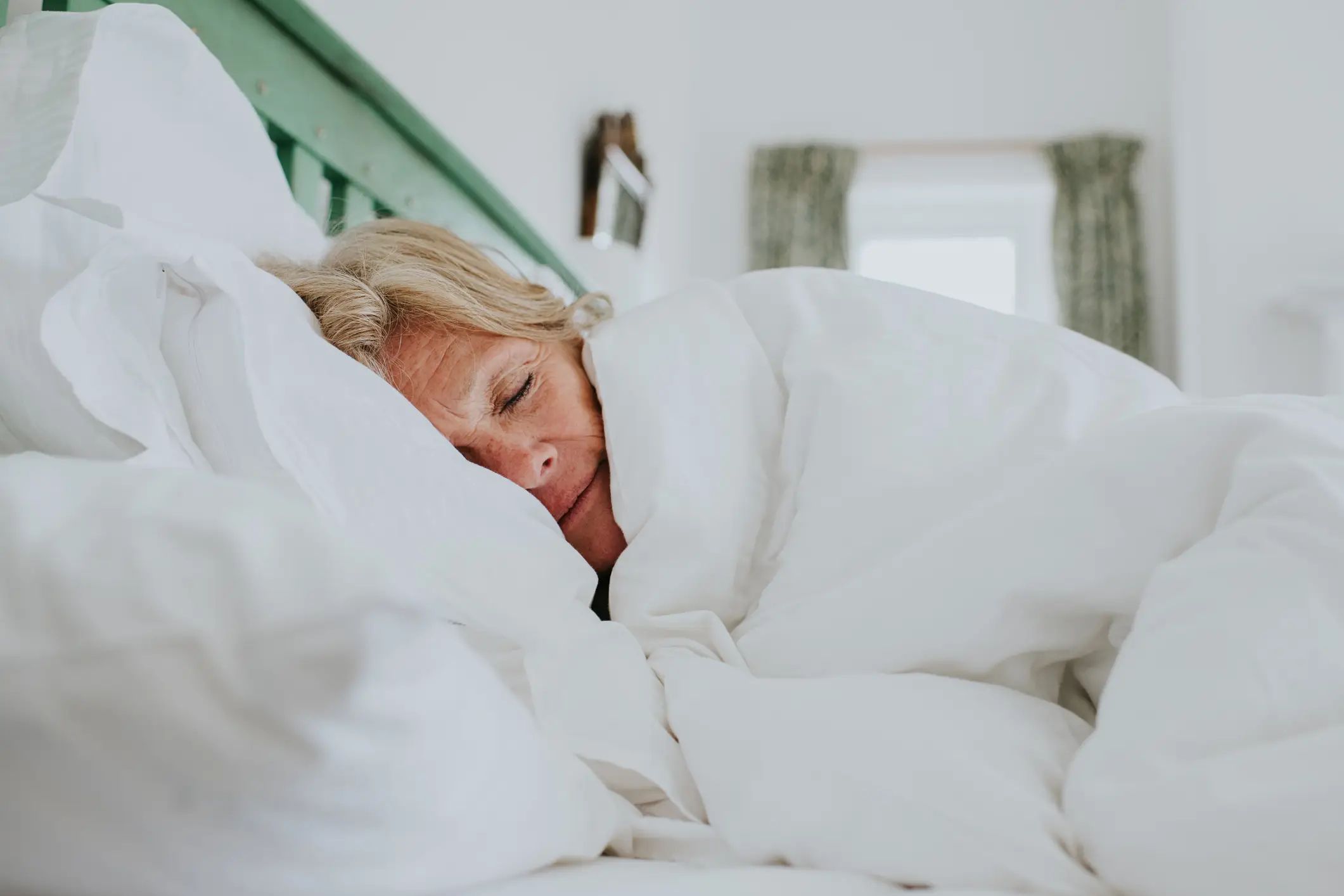
Anyone who sleeps in a ‘T. rex position’ - a posture that sees the arms being curled up - is apparently the most at risk.
According to health scientists, this is because nerve damage is prevalent.
A 2023 review of cubital tunnel syndrome, where people experience symptoms of numbness and shooting pain in their forearm, warns that anyone who sleeps with their elbows sharply bent or tucked under a pillow may worsen symptoms.
So, if you suffer from pins and needles or notice your arms going numb, then you may want to quit sleeping in the so-called ‘T. rex position’.
Sleeping on your back could also be a major health issue, with researchers at the Sleep Foundation stating that it could contribute to your acid reflux issues.
Plus, people who sleep on their backs (the supine position) are more likely to snore, according to a study published in the Journal of Clinical Sleep Medicine via the National Institutes of Health.
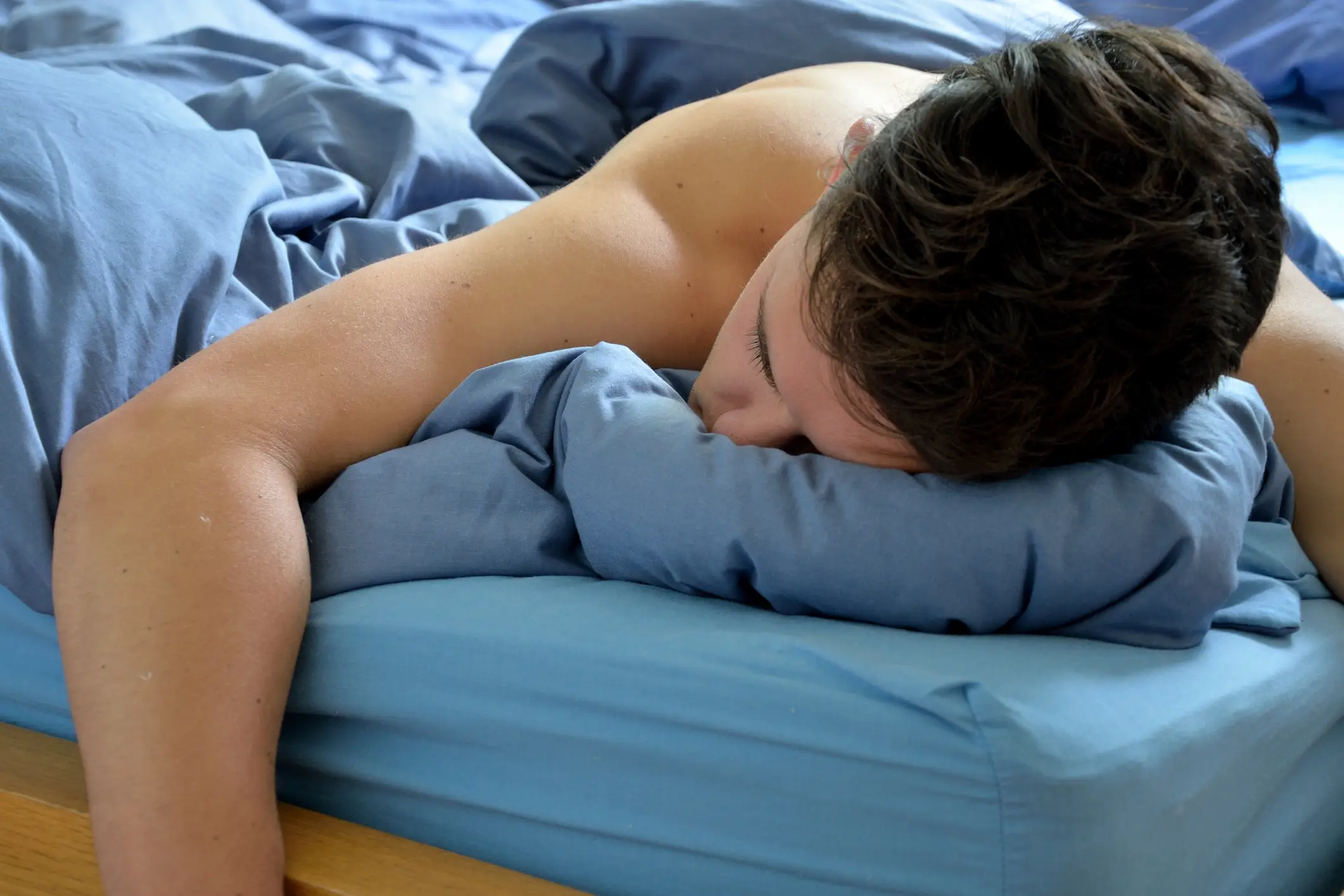
Meanwhile, lying face down on a mattress can put the spine out of alignment.
Studies also suggest that sleeping on your front can cause back, neck and shoulder pain.
If back pain is a major issue for you, then sleeping on your side and drawing your legs up slightly towards your chest may help relieve pressure.
The Mayo Clinic adds that if you can’t sleep any other way than on your stomach, try placing a pillow under your hips and lower stomach.
If you’ve tried all the sleeping positions and nothing seems to work, then Harris recommends you start seeing a sleep specialist.
Somnologists can diagnose and treat sleep disorders, as well as evaluate a patient’s sleep history and habits, and order diagnostic tests like overnight sleep studies.
Just think, there could just be a phone call between you and the best sleep of your night.
We will see you in dreamland!
 Ella Scott