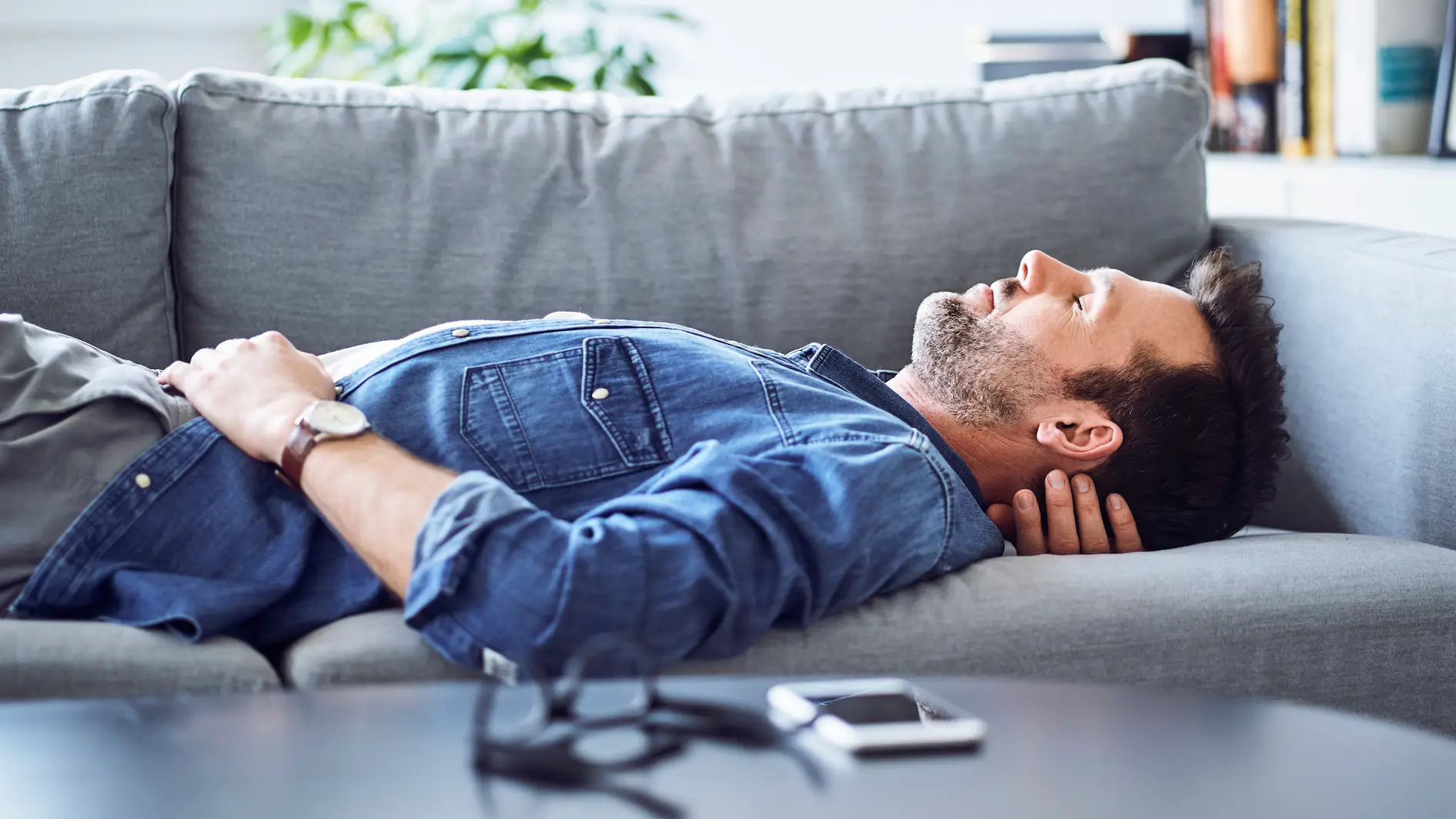
Experts issue warning about sleeping on your back as it could trigger terrifying disorder

Sleep experts have detailed a link between the position you're in when you snooze and one condition that can leave people terrified even in the safety of their own bedrooms.
Your bed is meant to be a safe space; somewhere you can hide under the covers from real life and secure your feet under the blanket to protect yourself from any monsters under the bed - but the way you sleep may actually have an impact on how comfortable you might feel.
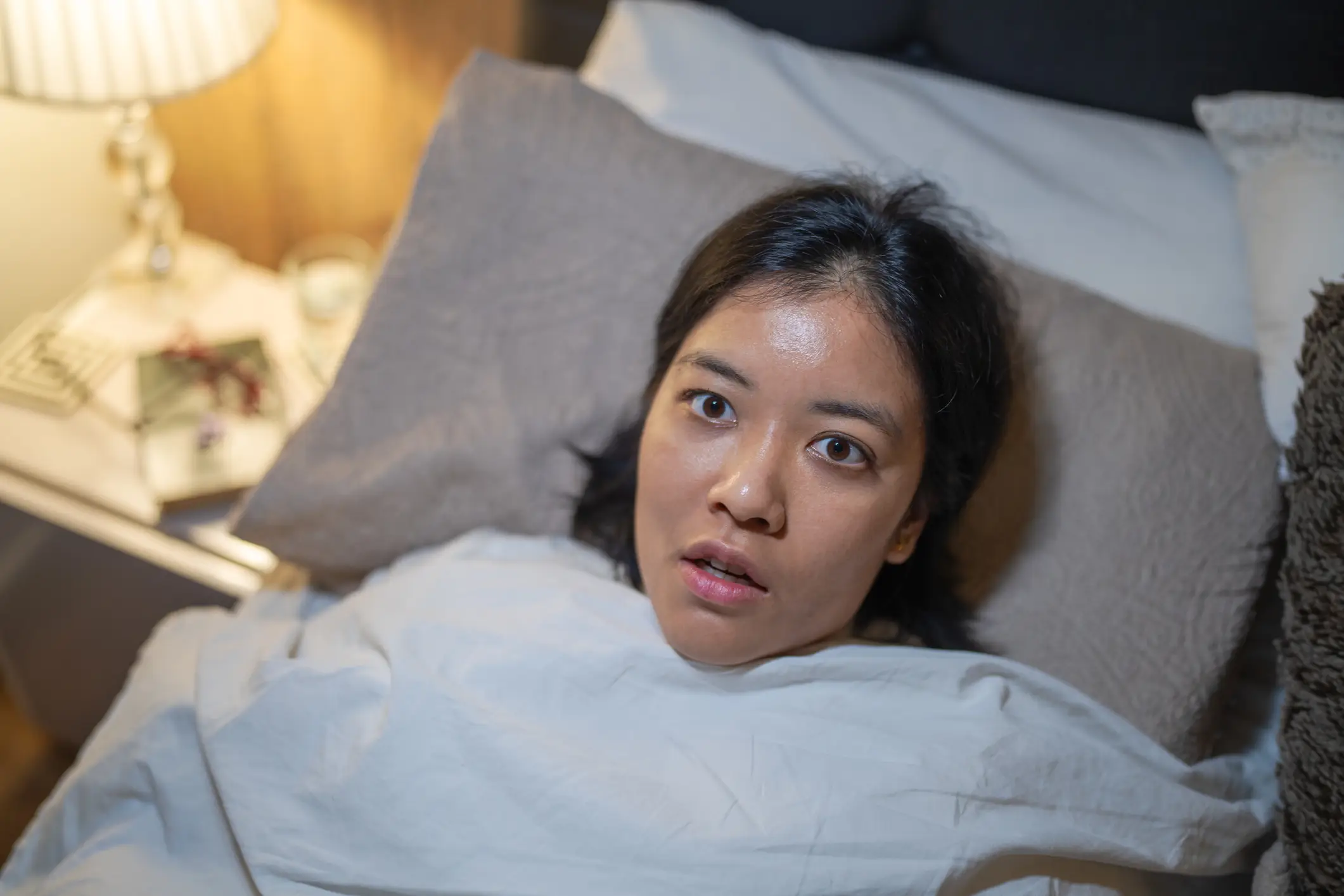
We're not talking about regular scary nightmares here, but instead the condition of sleep paralysis; a temporary state that can happen between stages of wakefulness and sleep, when sufferers find themselves unable to move or speak for a few minutes.
During this period, people often experience scary hallucinations that can create the sense of a disturbing presence, a physical feeling of pressure on the chest, or hallucinations which include feelings of movement, like flying.
Advert
What is sleep paralysis?
According to Harvard Health, sleep paralysis typically occurs either when you're about to fall asleep, or just waking up.
It's linked to the rapid eye movement (REM) stage of the sleep cycle; a period in which the eyes move quickly and vivid dreaming takes place, but the muscles of the body are relaxed in what's called REM atonia.
Sleep paralysis takes place when you wake up suddenly from REM, meaning you become aware but your muscles are still relaxed, leaving you to feel paralyzed.
Each episode can last from a few seconds to a few minutes.
How can sleeping position impact sleep paralysis?
Research has linked certain habits to sleep paralysis, and along with inadequate sleep and an irregular sleep schedule, one particular position that's been linked to sleep paralysis is sleeping on your back.
People with sleep paralysis have opened up about this experience, with one writing on Reddit: "Does anyone else get sleep paralysis when sleeping on their backs. Any time I happen to fall asleep on my back I get sleep paralysis without fail."
Another added: "I am an exclusive side sleeper. However, on a few occasions I will fall asleep on my back and without fail, will go into sleep paralysis every time."
Why can sleeping on your back cause sleep paralysis?
Sleeping on your back is known to increase the likelihood of snoring and potentially worsen sleep apnea, and Healthline explains that sleep paralysis is more likely to happen when you snooze on your back because you’re more likely to wake up due to snoring or sleep apnea.
The site advises: "Opt for any other position that’s comfortable. If you have the tendency to end up on your back even after falling asleep in another position, placing a pillow on either side can stop you from rolling over all the way."
Can you treat sleep paralysis?
There is no way to treat sleep paralysis while it's happening, but doctors may be able to recommend medications to treat underlying sleep disorders which may contribute to the frequency of the condition, if necessary.
 Emily Brown