Idaho's 'Unknown Wanderer' cold case solved after 43 years

More than four decades since a man was found dead in a church in Boise, Idaho, his identity has finally been revealed.
The man, who has simply become known as the 'Unknown Wanderer' in true crime circles, walked into the Sacred Heart Catholic Church on December 4, 1982, where it is believed he swallowed a lethal amount of cyanide.
While his death was very quickly ruled as a suicide, the major question involved in the case was who this man actually was.
He has no ID on him, his fingerprints didn't match any records held by authorities in Idaho or by the FBI and investigators were stumped.
Advert
What he did have on his person was an ink marker, a lighter, a Seiko wristwatch, a leather belt with a distinctive buckle, two keyrings filled with keys and an envelope with $1,900 worth of $100 bills.
The man had been found with a note signed with a fake name, his fingernails had been finely filed and his hair had been dyed.
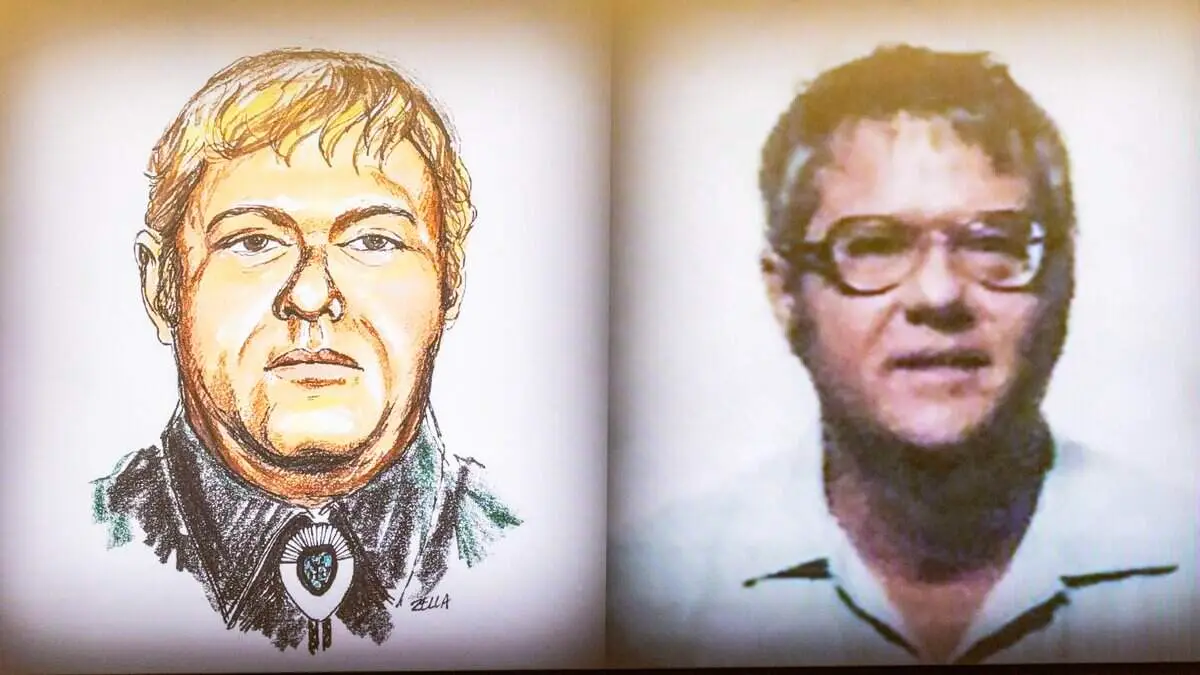
The 'Unknown Wanderer' revealed
Now, 43 years later, the mystery around the Unknown Wanderer has taken a massive turn, after authorities finally discovered the man's identity.
The man has been identified as Dr Matthew Francis Betkouski, and investigators are now saying there could be a possible link between him and the 1982 Chicago Tylenol murders, though investigators have not been able to establish him as the killer.
Among the strange list of possessions found on the deceased man were nearly 30 keys, and it wasn't until 2019 when Ada County cold-case detective Tim Cooper reopened the case that the importance of one of these keys became apparent.
Investigators discovered tiny markings on one of the keys which linked it to a hardware store in Jacksonville, Florida. The key also contained an etching that pointed investigators toward Mills Court in Jacksonville.
After going through historical property records for the street, they found one former resident had gone missing in 1982, and that resident was Betkouski.
After obtaining a DNA sample from a surviving relative, a match was found and the Unknown Wanderer could finally be identified.
Who was Dr Matthew Betkouski?
Betkouski was an organic chemist who previously worked for a Jacksonville-based company called Flavors & Fragrances before being fired.
According to former colleagues who spoke with Ada County Sheriff's Office, he spoke regularly about cyanide, the concept of the 'perfect crime,' ways in which cyanide can be used to kill a person and the possibility of putting poison in over-the-counter capsules.
Colleagues also reported odd behaviour from Betkouski, who allegedly talked to himself a lot and believed he was being followed.
Betkouski went on to work on a NASA-related project in New Mexico, but was ultimately fired following an incident in which he tried to obtain pills or capsules from a local pharmacy, wrongly stating they were for an experiment.
Colleagues once again revealed conversations the chemist had regarding cyanide poisoning and when investigators gained access to belongings Betkouski's brother had preserved at the family's home in Los Angeles, they found a small bottle of cyanide.
Possible links to Chicago cyanide murders
Although authorities have been unable to officially link Betkouski to the Chicago Tylenol murders, they did find a hand-drawn map of Chicago alongside the cyanide, which had been handmade by the chemist.
Writings found in the home revealed Betkouski had expressed much interest in visiting Chicago in the 1970s and photos taken in late 1981 showed him finally visiting the city.
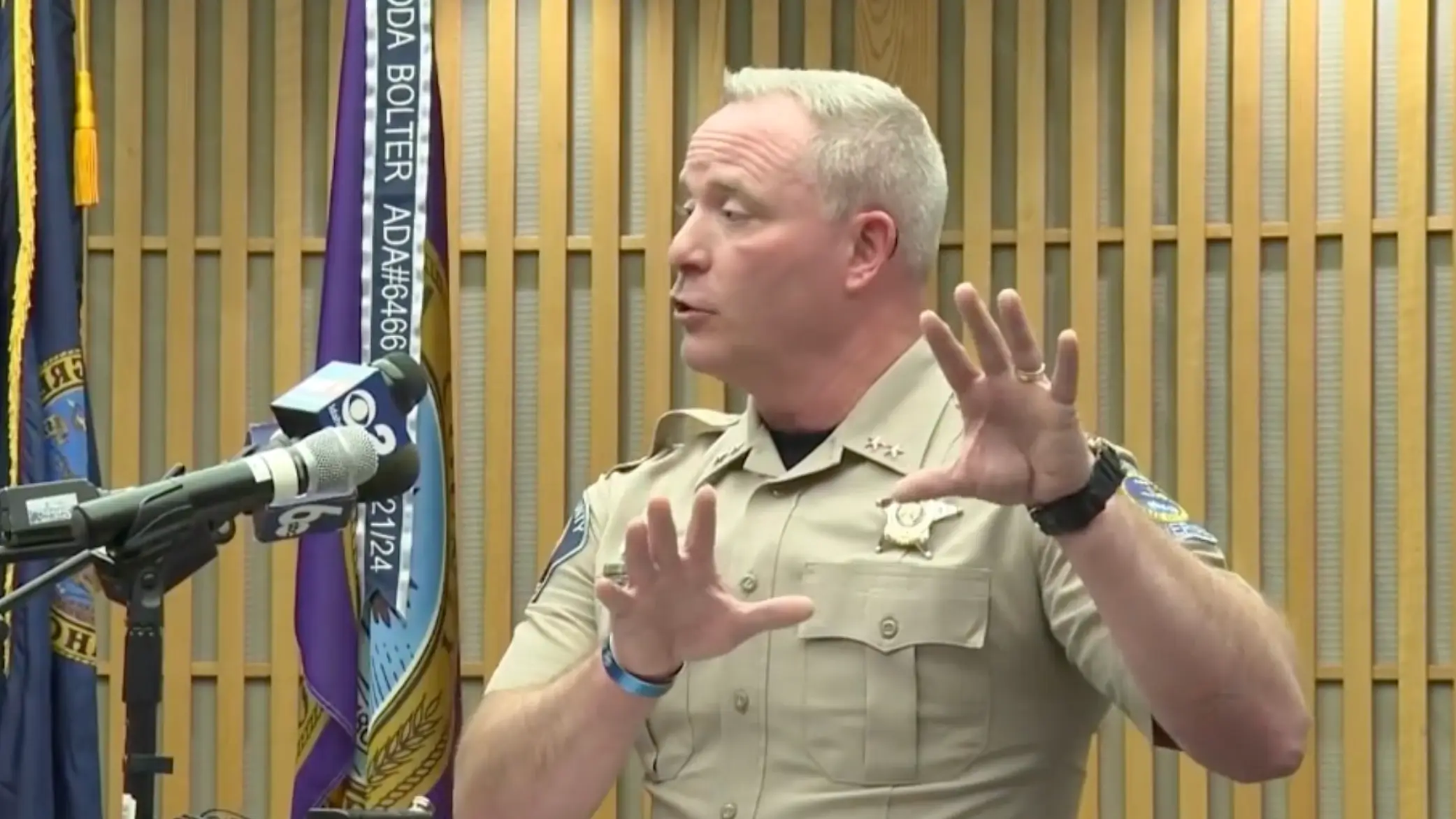
"While our office may have identified some connection to 1982 events, we're not naming him as a suspect," Detective Cooper said, via CBS News.
"Our goal today is to general new leads to this case and possibly others."
Topics: True crime, Crime, US News
 Emma Rosemurgey