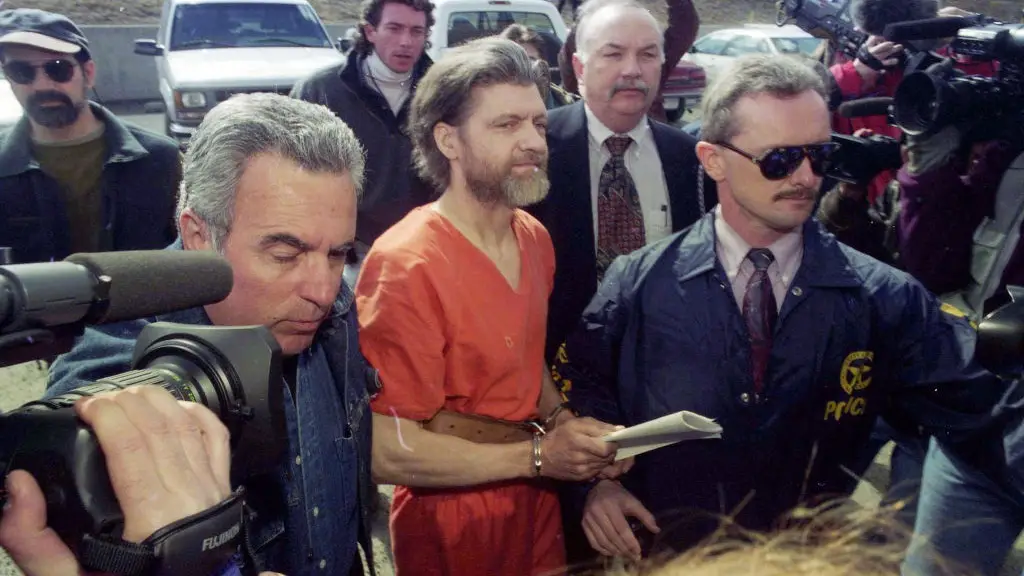
The crucial clue that helped crack the Unabomber case after 17 years

A 35,000-word manifesto helped investigators finally identify the man behind one of the longest bombing investigations in US history.
The Unabomber had evaded authorities for 17 years, killing three people and injuring nearly two dozen others while mailing or hand-delivering homemade explosives to targets across the country.
But the breakthrough did not come from a fingerprint, DNA sample or bomb component. It came from his own words.
According to the FBI, the turning point arrived in 1995, when the bomber sent investigators an essay laying out his beliefs and his explanation for what he saw as the problems of modern society.
Advert
After debating whether publishing the document would amount to giving in to a terrorist, FBI Director Louis Freeh and Attorney General Janet Reno approved a plan to release it publicly.
The hope was that somebody would recognize the writer.
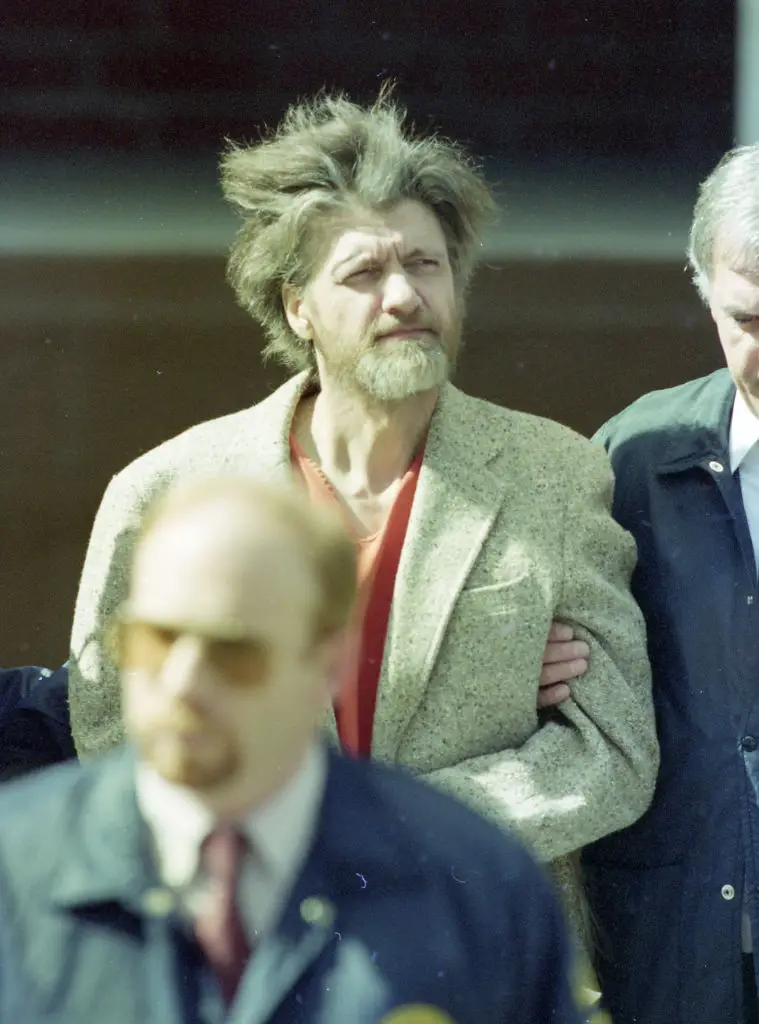
The manifesto was eventually published in The Washington Post, prompting thousands of tips.
One came from David Kaczynski, who suspected the author could be his brother, Theodore 'Ted' Kaczynski.
David supplied investigators with letters and other documents written by Ted. Linguistic analysis found that the writing was almost certainly by the same person who had written the manifesto.
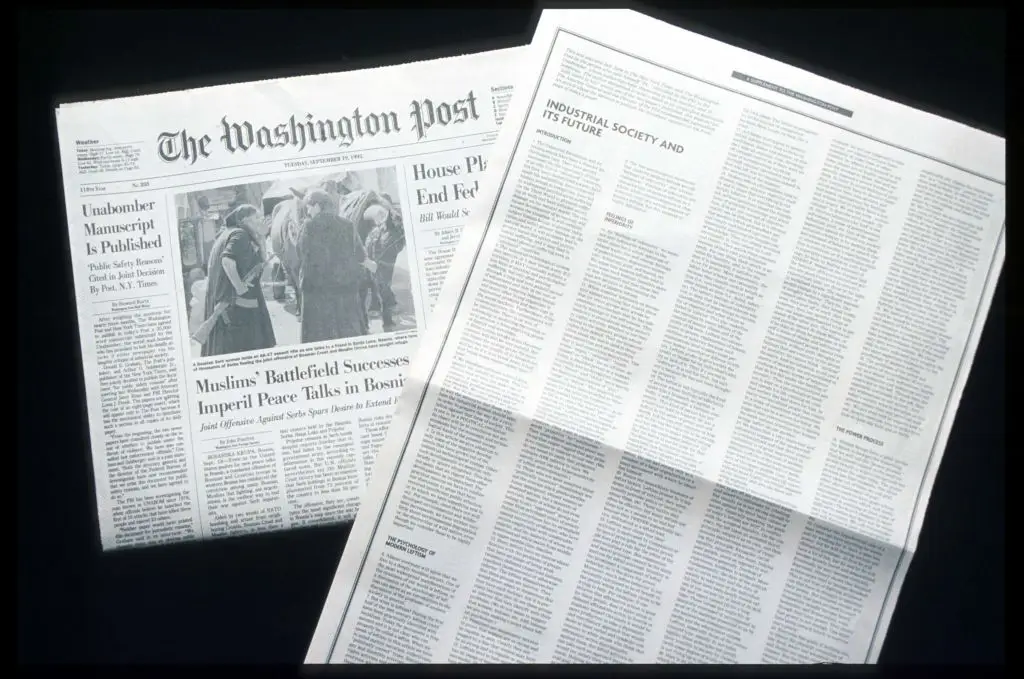
That finding became a crucial part of the evidence used to obtain a search warrant.
The FBI had spent years building a profile of the bomber, although many details remained uncertain. Investigators believed he had links to Chicago, Salt Lake City and the San Francisco area, all of which proved correct. They also struggled to determine his occupation and even investigated female suspects because the bomber's sex was not initially certain.
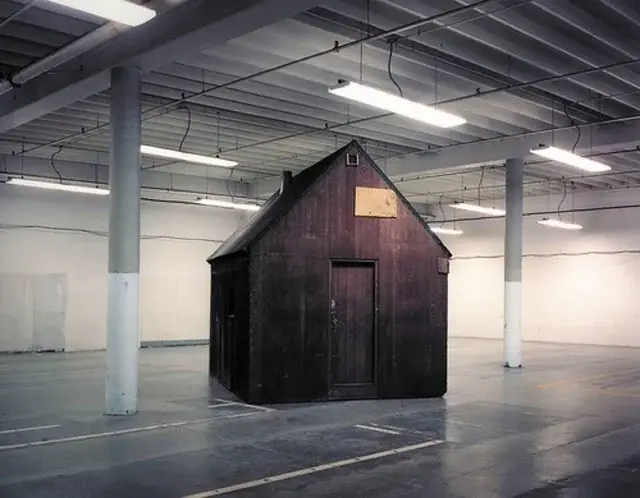
What did the FBI find in Ted Kaczynski's cabin?
On April 3, 1996, investigators arrested Kaczynski at his remote cabin near Lincoln, Montana.
Inside, they found an extensive collection of evidence, including bomb components, around 40,000 handwritten journal pages containing bomb-making experiments and descriptions of Unabomber crimes, and a live bomb that was ready to be mailed.
The investigation had begun in 1978, after a homemade device exploded at the University of Illinois in Chicago.
A task force involving the FBI, ATF and US Postal Inspection Service was established the following year and eventually grew to more than 150 full-time investigators, analysts and others.
The devices became increasingly sophisticated, while Kaczynski deliberately used materials that could be obtained as scrap, making forensic identification difficult.
Investigators later learned that his victims were selected at random through library research.
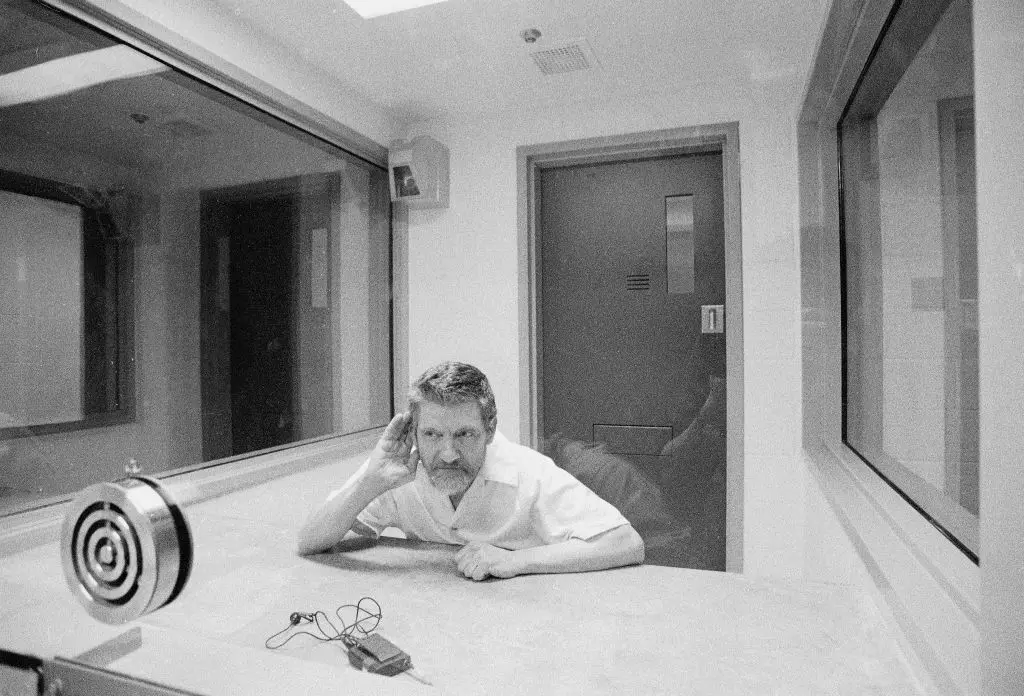
The attacks included a bomb that detonated aboard American Airlines Flight 444 in 1979, a device that injured United Airlines president Percy Woods in 1980, and multiple attacks at universities.
A 1985 bombing at a Sacramento computer store killed its owner, while a 1987 device at a Salt Lake City computer store severely injured the owner's son.
The final fatal attacks came in 1994 and 1995, when advertising executive Thomas J. Mosser and California Forestry Association president Gilbert Murray were killed by mailed bombs.
Kaczynski pleaded guilty in January 1998 and was sentenced to an isolated cell in a Supermax prison in Colorado.
The case is now also being revisited by Netflix. Deadline reports that the upcoming thriller Unabomber stars Jacob Tremblay as Kaczynski, with Russell Crowe, Shailene Woodley and others also in the cast.
Directed by Januz Metz, the movie is due to arrive on Netflix on September 25.
Topics: True crime, Netflix
 Thomas Bamford