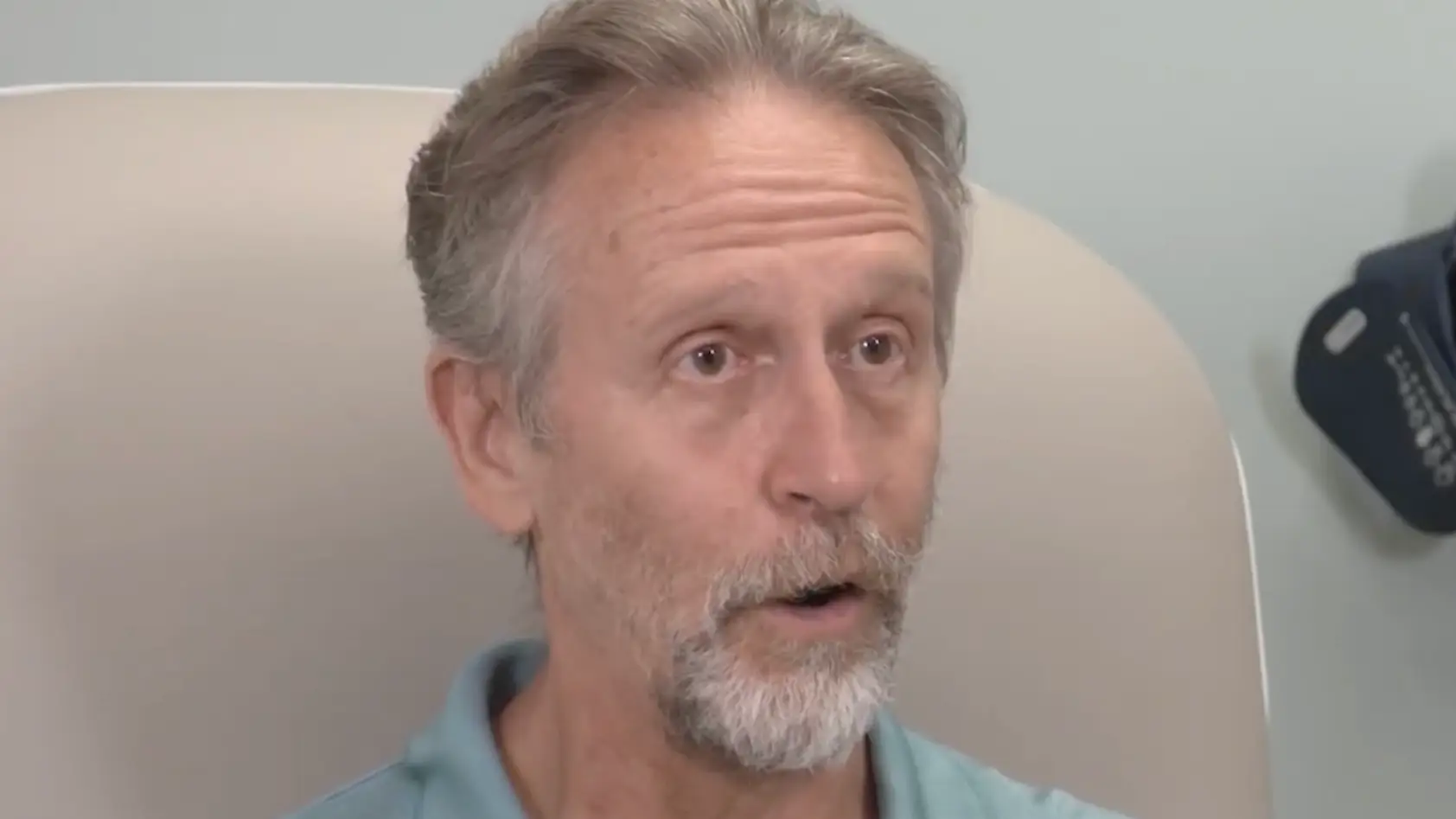
Man's smartwatch helped save his life after spotting sign that something wasn't right

A 64-year-old man has spoken out following his smartwatch helping notify him something was 'obviously not right' with his body.
Whatever your views on wearable tech, there's no doubt about it, smartwatches have been known to be life-saving. From an Apple Watch alerting a woman of a serious medical condition she didn't actually know she had, now a man has revealed how his smartwatch helped him realize he needed medical attention.
Raul Martin was in the gym exercising when he felt his heart start to race. After checking his watch, it informed him his heart rate was at '200'.
The 64-year-old otherwise believed he was in good health, typically walking three to five miles each day and doing resistance training.
Advert
After seeing his heart rate increase so drastically, he knew something was 'obviously not right'.
"And so, there was a security guard going through the building. I grabbed him and he called the EMTs," he said, quoted in a press release shared by El Camino Health.
Martin was rushed to the emergency room at El Camino Health in Mountain View, California, where it was discovered he had a 'very severe coronary artery disease'.
Thankfully, rather than being forced to undergo open heart surgery, Martin was presented with a minimally invasive option.
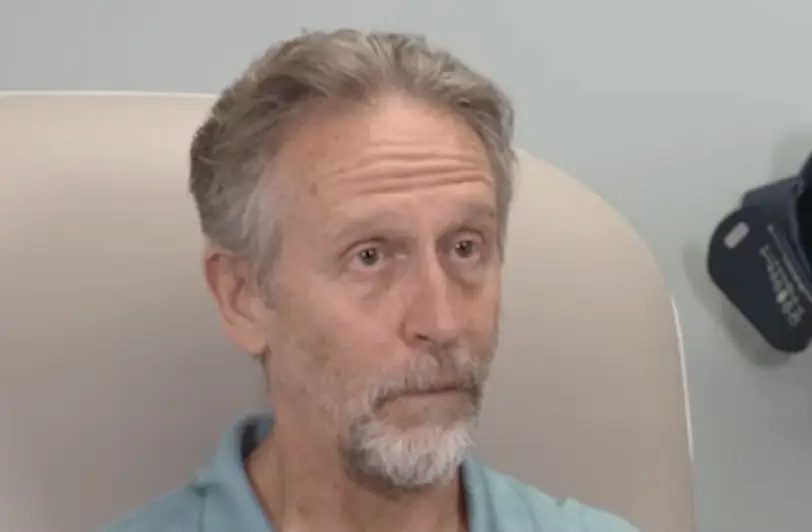
When presented with the new option - a robotic bypass - Martin reflected: "Hey it's like I could almost come out of this in much better shape."
But what is the new option he underwent?
Well, essentially, coronary artery bypass grafting (CABG) is the 'most common type of cardiac surgery worldwide,' El Camino Health explains.
However, 'less than one percent of these procedures are performed robotically'.
Luckily for Martin, El Camino and the Vascular Institute were able to 'successful perform' the alternative surgery.
Dr Nels Carroll performed the procedure which sees 'three to four small incisions' made 'between the ribs' with assistance from a robot.
Compared to the typical approach which involves a surgeon opening the chest by dividing the breastbone to reach the heart, these 'keyhole' incisions lead to less pain, less risk of infection, increased mobility post operation and 'faster discharge'.
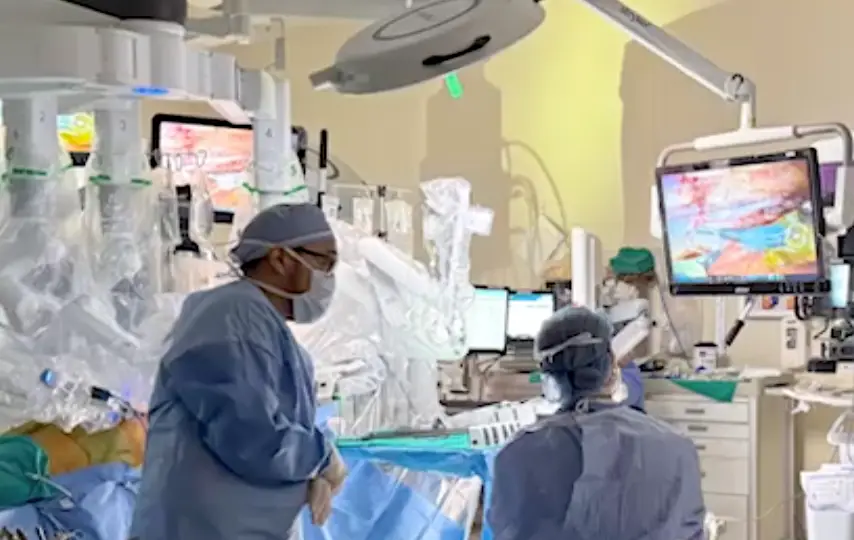
Indeed, Dr Carroll said: "Cardiac surgery continues to evolve, and we are able to accomplish many of the same goals without such big incisions. Instead of dividing bones, we make several small incisions through which we provide perfect repairs. The patient doesn't have to deal with the pain and rehabilitation process associated with open surgery.
"[...] Minimally invasive approach really flips the script. Much less pain, much faster recovery, much quicker return to work and activities."
And the proof comes in the form of Martin who reflected: "I've never felt better after surgery than after this surgery."
The day following the surgery he was up walking around 'for an hour around the floor'.
"It was kind of funny because nobody could believe it," he added.
And a few days later he was able to go home.
He resolved: "I feel it puts me on a trajectory to be healthy from a cardiovascular point of view probably for the rest of my life."
*Adds smartwatch to cart just in case*
 Poppy Bilderbeck