
Doctor shares essential items everyone should prepare for Doomsday

Most home first aid kits are missing at least one crucial item, according to a doctor, and it's not the bandages or the antiseptic. It's a laminated instruction card.
Dr. Penelope Sheehan, a general practitioner at Medical Express Clinic in the UK, says a basic first aid guide or leaflet should sit inside every kit, because panic wipes out even the most basic knowledge.
"Most people, myself included at three in the morning with a screaming child, forget the correct order of steps under stress," she told Metro.
"A laminated card removes the guesswork."
Advert
Dr. Sheehan explained that most injuries happen at home, so having the right supplied on hand can be the difference between treating something yourself and needing urgent medical attention.
"A kit changes what you can safely do yourself versus what needs a same-day doctor's visit or a trip to the ER," she said.
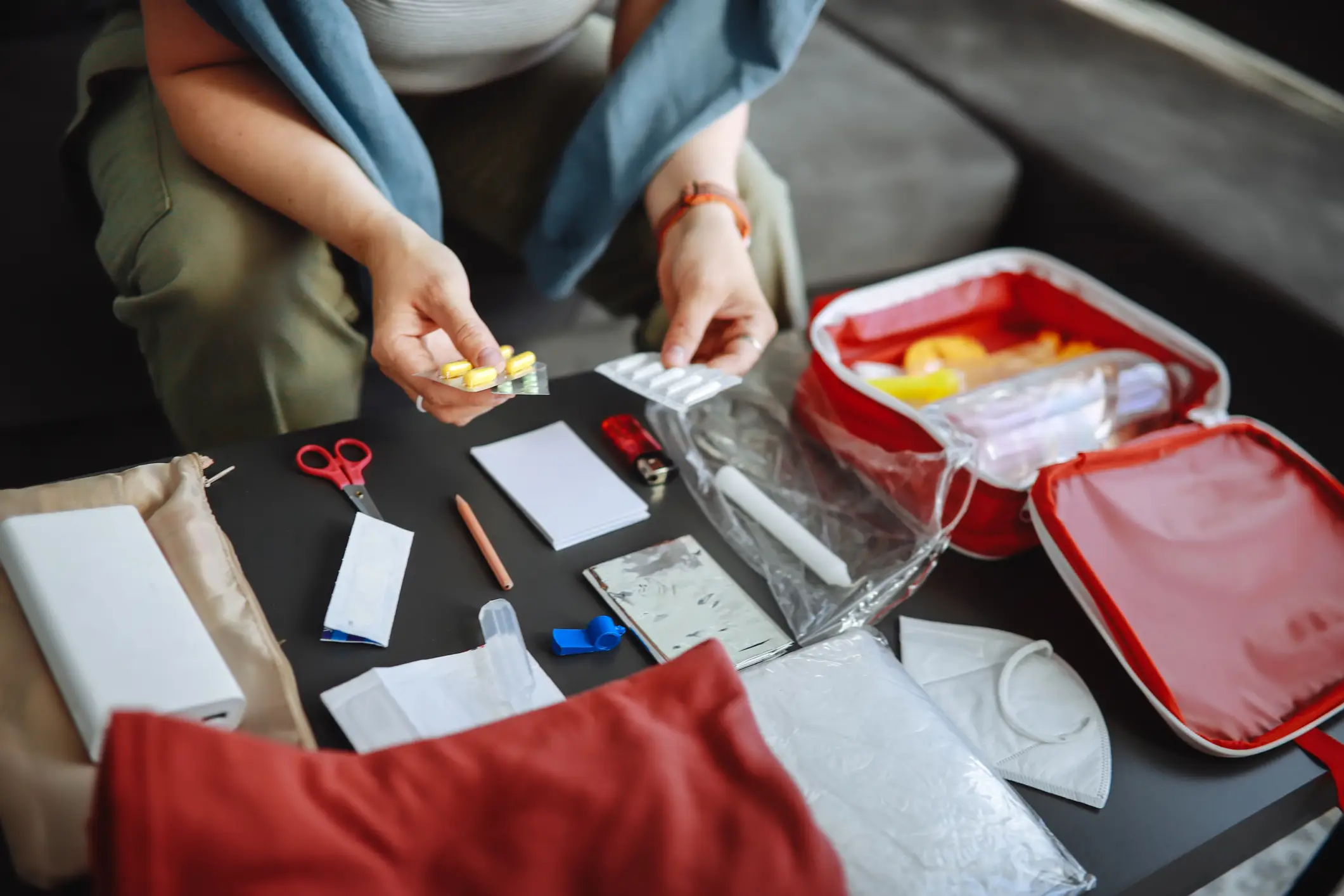
"Most cuts, grazes, minor burns and sprains do not need a hospital visit if they are cleaned and dressed properly in the first few minutes. Skip that step, or improvise with whatever's in the bathroom cabinet, and a simple graze can turn into an infection."
She compared it to having a smoke alarm: 'something you hope never to need, checked occasionally, genuinely useful the one time it counts.'
Basic emergency guidance already recommends a minimum stock of waterproof adhesive bandages, gauze, a thermometer, antiseptic, eyewash solution, sterile dressings, gloves, medical tape and tweezers.
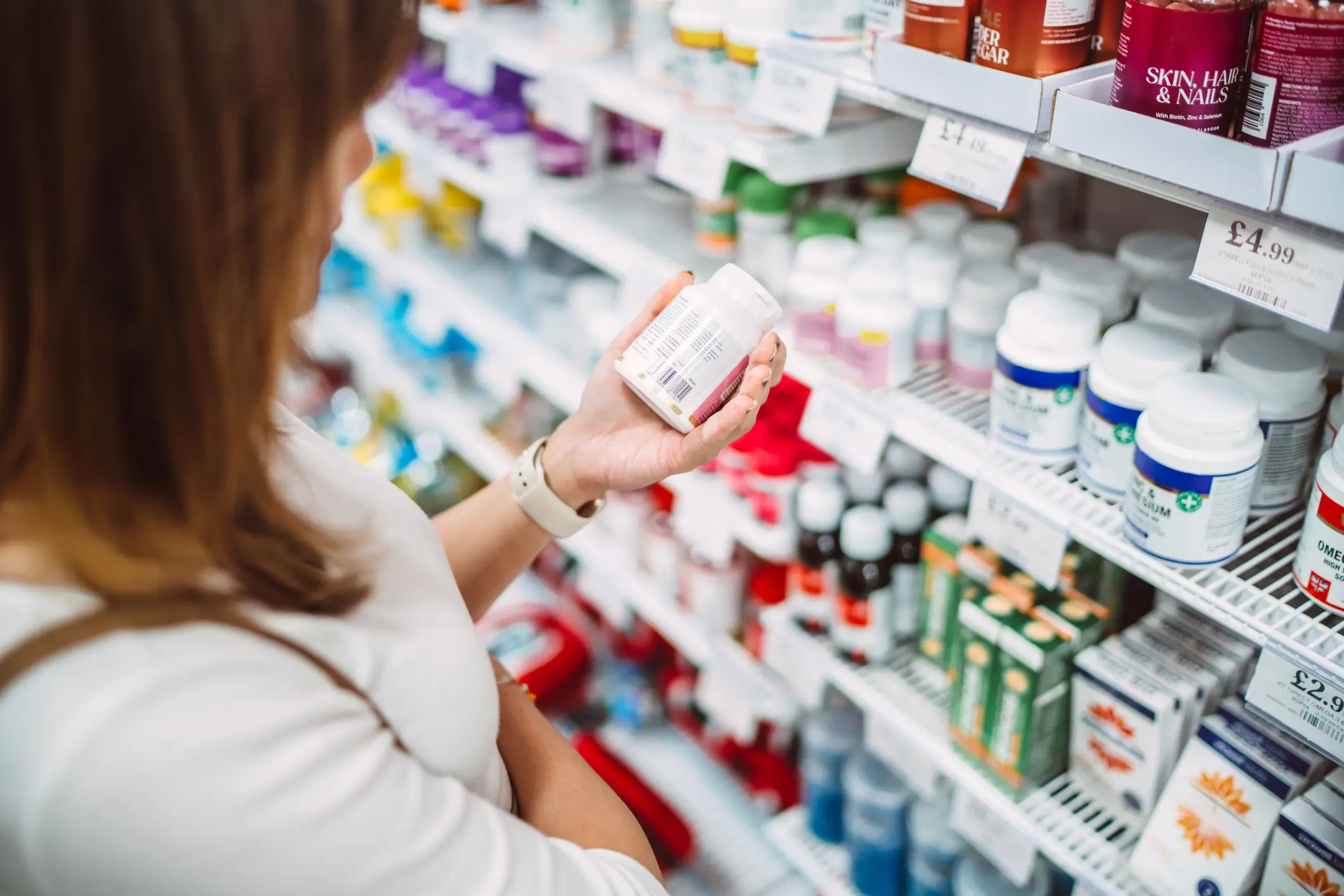
Anyone on regular medication is also advised to keep several days' worth on hand, along with spare batteries and paper instructions for any medical devices.
Dr. Sheehan's list goes further than the basics. Adhesive bandages should come in several sizes, she said, since a toddler's knee and an adult's finger need different coverage. Sterile gauze dressings are essential for wounds too big for a bandage, and she stressed that sterile packaging 'stops you introducing bacteria into a fresh wound.'
Wound closure strips can hold together a gaping cut that isn't deep enough for stitches, while microporous tape secures dressings 'without the harsh pull of ordinary sticky tape.'
Antiseptic wipes clean a wound before dressing it, disposable gloves protect both parties from contamination, and fine-tipped tweezers handle splinters, thorns and stings. Small, blunt-tipped scissors allow tape or clothing to be cut away from a wound without dragging fabric across it.
Elsewhere, sterile saline solution can clean a wound when running water isn't available, and an instant cold pack helps with sprains and swelling.
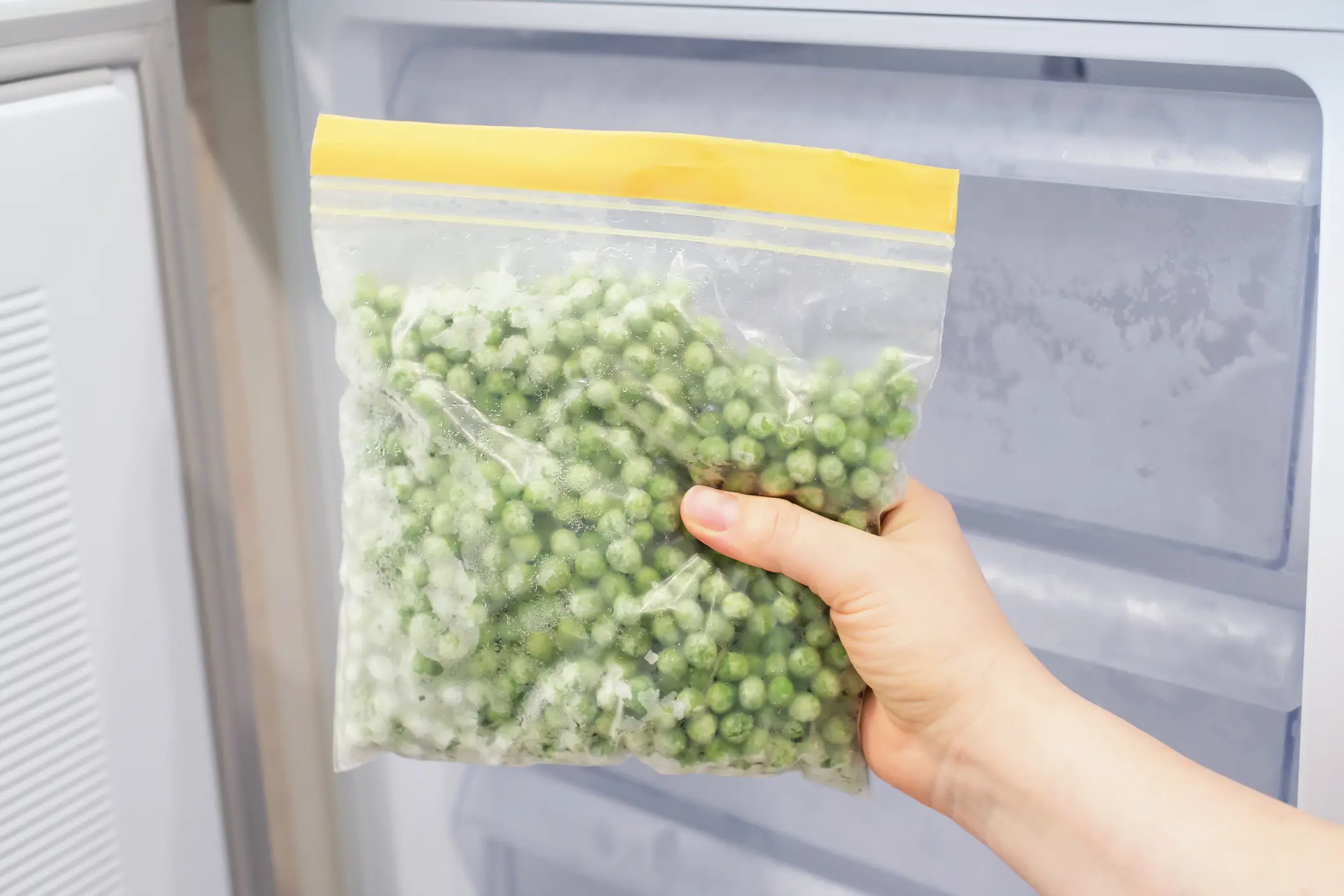
"Cooling an injury in the first 20 minutes genuinely reduces swelling; a bag of frozen peas works too," Dr. Sheehan said. She called the triangular bandage 'the most underused item in most kits,' useful for slinging a suspected broken arm or improvising a dressing pad.
Rounding out the list: an elastic bandage, digital thermometer, Tylenol and Advil, antihistamines, oral rehydration sachets, a burn dressing, a foil emergency blanket, and a flashlight: useful both for illuminating a wound and checking pupils after a head injury.
If you're looking to stock up your home first aid kit, here are some of the key items Dr. Sheehan recommends keeping on hand:
- Sterile gauze dressings
- digital thermometer
- Assorted plasters
- Tylenol
- Advil
- Instant cold pack
- Oral rehydration sachets
- eyewash solution
- Digital thermometer
- burn dressings
- Foil emergency blanket
- flashlight
- Wound closure strips
- fine-tipped tweezers
 Thomas Bamford