
Death row killer Christa Pike's attorney says she is still alive after receiving lethal injection

The execution of Tennessee death row inmate Christa Pike has plunged into unprecedented turmoil after her defense attorneys revealed that she remains alive and breathing despite executioners administering lethal injection drugs.
According to her legal team, executioners at the Riverbend Maximum Security Institution in Nashville pushed two syringes of the state's lethal chemical mixture into Pike’s intravenous lines, yet failed to cause cardiac arrest.
Kelly Gleason, an attorney representing Pike, disclosed that fellow defense counsel Randy Spivey witnessed the procedure inside the execution chamber before stepping out to sound the alarm.
"She's alive and snoring," Gleason said, confirming that the 50-year-old condemned woman did not succumb to the initial doses administered by the state's execution team.
Advert
The revelation prompted an immediate, frantic scramble by her legal defense team to halt the process before further drugs could be administered.
Attorney Amy Harwell is reportedly driving an emergency motion directly to the Tennessee Supreme Court, demanding that the state cease all execution protocols immediately.
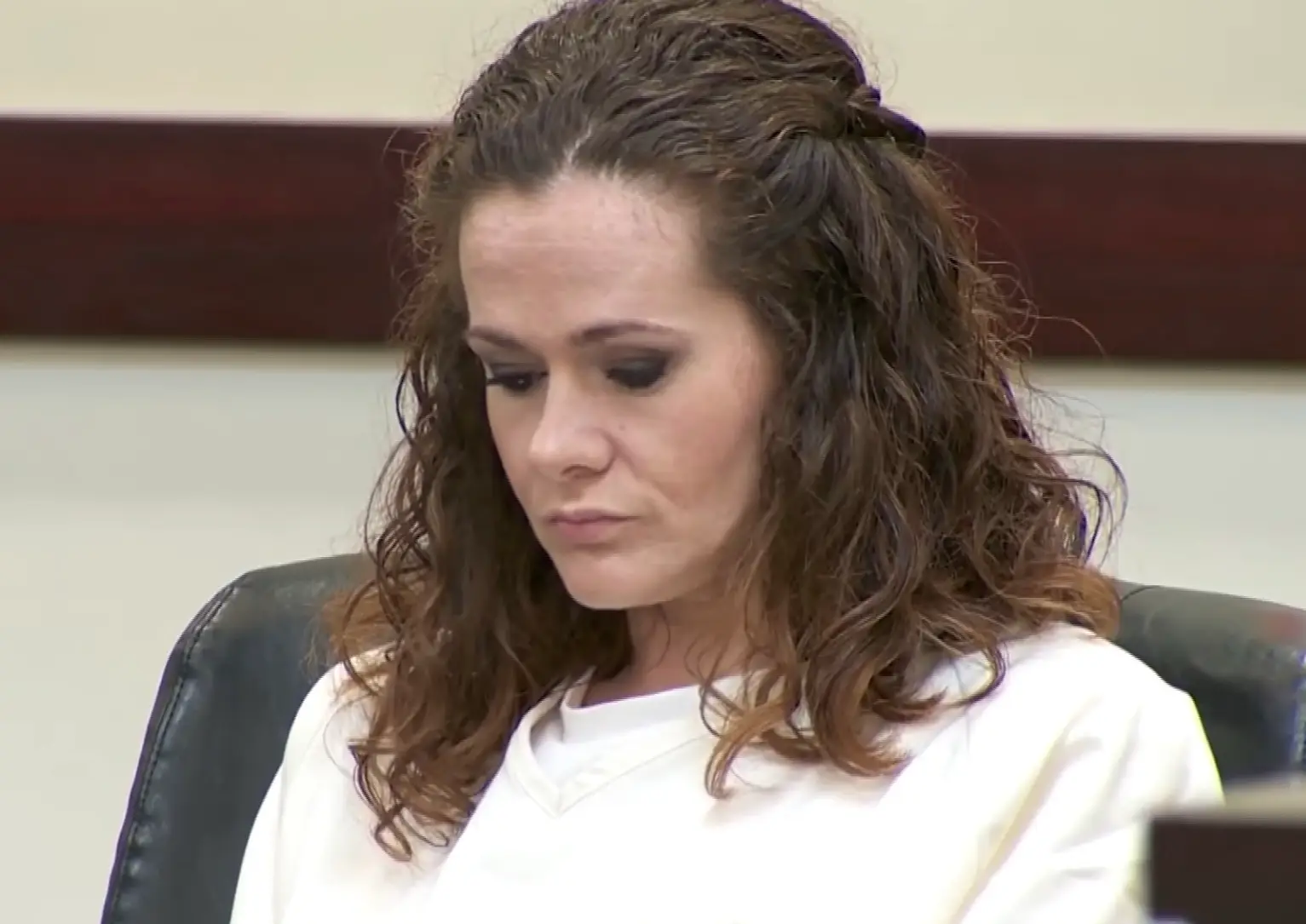
The alarming scene inside the death chamber follows months of warnings from Pike’s attorneys, who argued in an August court hearing that the 50-year-old suffered from severe vein compromise that would make needle insertion and chemical absorption hazardous. Defense filings specifically cautioned that Tennessee’s lethal injection protocol posed a substantial risk of "unnecessary and superadded pain, suffering, terror, and disgrace."
Witness accounts of Pike "snoring" after receiving the chemical doses suggest she may be experiencing severe respiratory distress or pulmonary edema—a known complication in pentobarbital injections where fluid rapidly accumulates in the lungs while the inmate remains partially conscious or physiologically active.
The emergency filing by attorney Amy Harwell places immediate pressure on the Tennessee Supreme Court. Under state law, the active death warrant issued for Pike expires precisely at 11:59 p.m. CDT on September 30.
If state executioners cannot establish viable lines or if the high court steps in to review the botched procedure before midnight, the warrant will formally lapse, legally halting the execution until a new date is petitioned.
The unfolding crisis also casts a renewed spotlight on Tennessee's deeply troubled capital punishment system.
Lethal injections in the state were previously subjected to an official moratorium and exhaustive independent review after state corrections officials repeatedly failed to follow their own lethal drug testing and administration protocols.
"She needs immediate medical care," Gleason stressed, arguing that the botched attempt creates an unconstitutional scenario of cruel and unusual punishment and leaves Pike in critical physical jeopardy inside the prison.
The harrowing development comes just hours after the United States Supreme Court dissolved an eleventh-hour stay granted by the 6th U.S. Circuit Court of Appeals, clearing Tennessee to proceed with the execution before the midnight death warrant expired.
Pike was sentenced to death in 1996 for the murder of 19-year-old Colleen Slemmer in Knoxville and was poised to become the first woman put to death by the state of Tennessee in more than two centuries.
The Tennessee Department of Correction has not yet issued an official statement regarding the status of the IV lines, the specific chemical compounds delivered, or whether the execution protocol has been formally aborted for the night.
This is a breaking story, more to follow...
 Phoebe Tonks