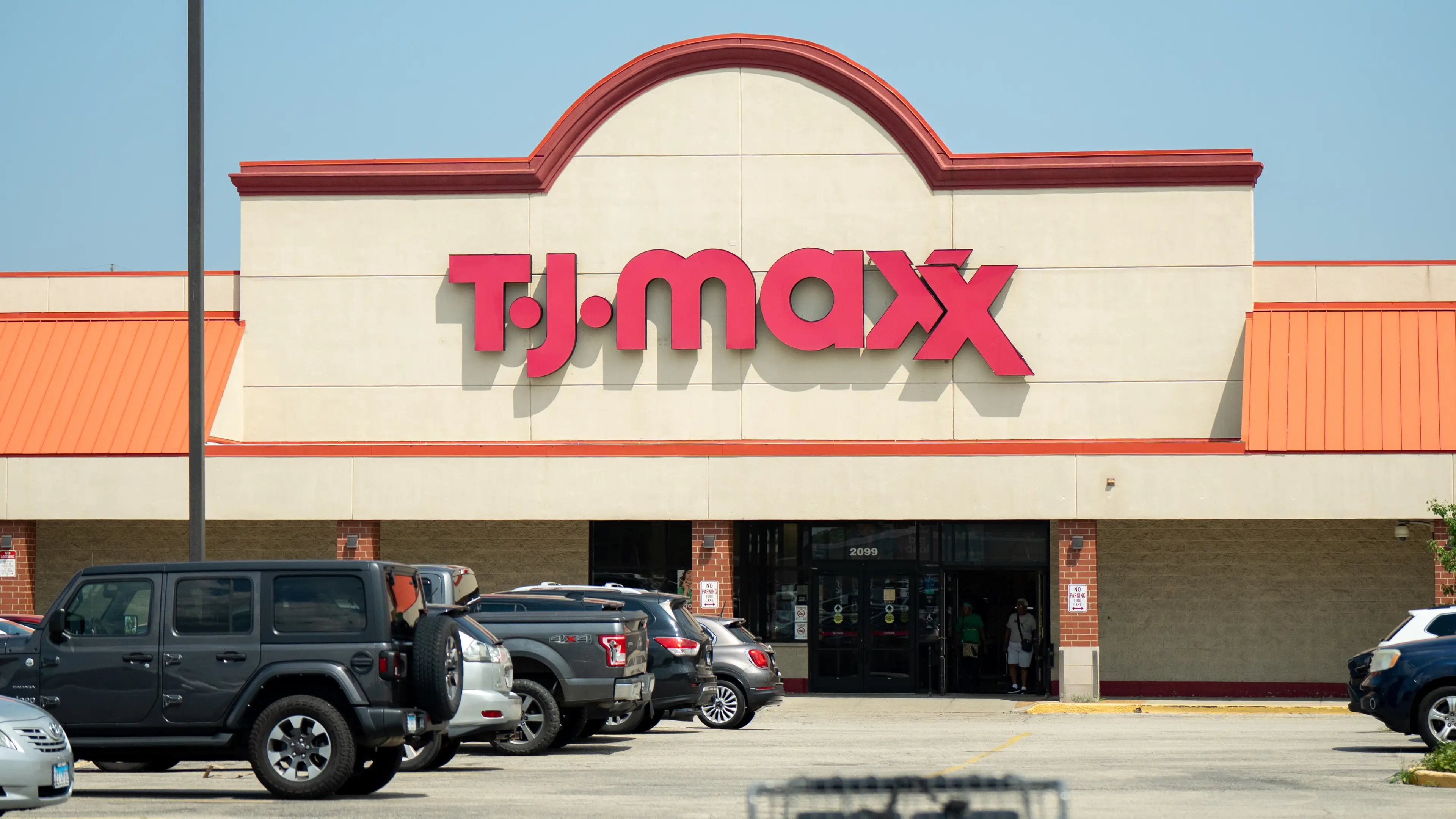
T.J. Maxx closing stores listed with longtime location shutting its doors for good

Bargain hunters are facing localized shake-ups after discount retail giant T.J. Maxx confirmed the permanent closure of select brick-and-mortar locations.
Among the affected sites is a prominent storefront at the Ellsworth Place mall in Downtown Silver Spring, Maryland, which officially closed its doors for good after serving community shoppers for roughly a decade.
The 24,000-square-foot location, situated on Colesville Road, first opened its doors in late 2015, operating as a key foot-traffic anchor for the multi-level suburban retail center.
The Maryland shutdown forms part of a small cluster of confirmed store closures that have unfolded across the retailer's physical footprint over the course of the year.
The locations confirmed among the closures include:
- Silver Spring, Maryland: 8661 Colesville Road (Ellsworth Place)
- Cumberland, Maryland: 1262 Vocke Road (Country Club Mall area)
- Boston, Massachusetts: 360 Newbury Street
The loss of the Newbury Street storefront in Boston marked another notable departure, removing the brand from one of the city's historic, high-profile commercial corridors.
Advert
While store shutdowns routinely spark fears of wider cutbacks across the high street, retail analysts emphasize that the handful of closures does not point to systemic trouble or widespread financial distress for the brand.
T.J. Maxx currently operates more than 1,300 storefronts across the United States, meaning the identified closures represent a negligible fraction of its vast physical presence.
Instead, retail experts describe the moves as a calculated "footprint rebalancing" rather than an operational retreat.
Parent conglomerate TJX Companies—which also oversees major off-price retail banners including Marshalls, HomeGoods, Homesense, and Sierra—routinely evaluates its sprawling commercial leases upon expiration.
When multi-year agreements draw to a close, corporate leadership assesses local foot-traffic data, escalating urban rental rates, and broader regional demographic shifts.
The company has increasingly prioritized shedding older, high-rent urban retail spaces in favor of launching modern formats in thriving suburban centers and secondary retail markets.
Where individual storefronts do shutter, company policy typically seeks to mitigate local disruption by offering affected store associates opportunities to transfer to neighboring branches across its multi-brand network.
Unlike traditional department store chains that have spent recent quarters announcing mass store liquidations and bankruptcies, TJX continues to demonstrate solid financial health.
The off-price retail model remains remarkably resilient against broader economic headwinds, as persistent inflation pushes cost-conscious consumers away from full-price department stores in search of brand-name clearance items, home decor, and everyday essentials.
With parent firm TJX managing a global portfolio of nearly 5,000 storefronts, the company remains in an active net-expansion mode, projecting dozens of new store openings nationwide.
Topics: Shopping, Massachusetts, US News
 Phoebe Tonks