Scientists issue severe warning after discovering seven of Earth's 'vital signs' have been breached

Scientists have issued a stark warning as it becomes 'increasingly clear' that Earth’s life-support systems are failing.
The devastating effects of climate change are becoming increasingly difficult to ignore, from record-breaking temperatures and extreme weather to melting ice sheets and rising sea levels.
But scientists have now issued a severe warning that the threat extends far beyond climate change alone, with Earth’s wider life-support systems coming under increasing pressure.
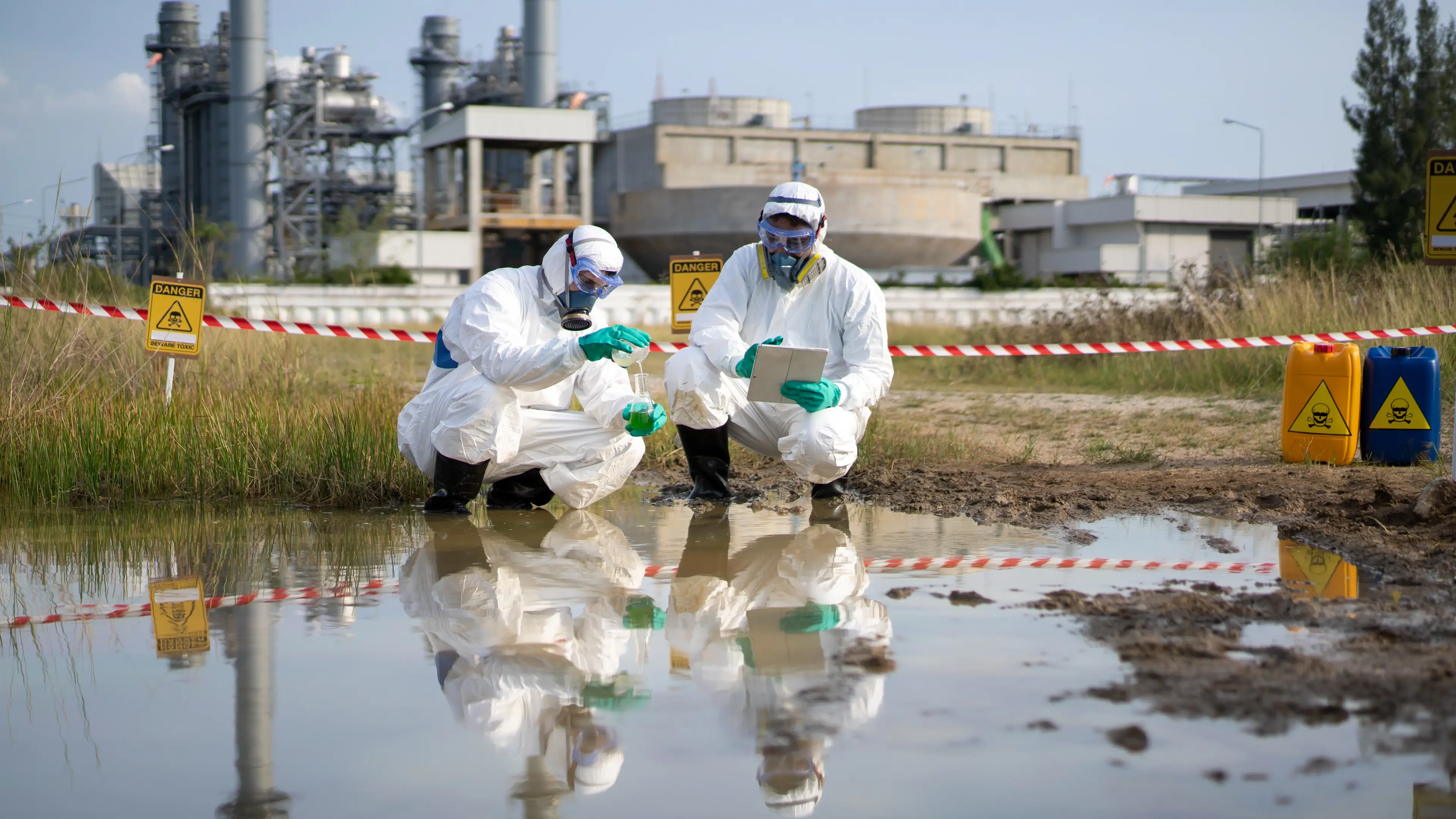
A new report, written by a coalition of 60 scientists, has found that seven of the planet’s nine key ‘planetary boundaries’ have now been breached - including climate change, novel entities, biogeochemical flows, biosphere integrity, freshwater change, land-system change and ocean acidification.
Advert
Only two remain in the 'safe' zone, which are listed as stratospheric ozone depletion and atmospheric aerosol loading, or simply put, the health of the ozone layer and the amount of airborne particles in the atmosphere.
Their report, Planetary Health Check 2026, notes that 'the impact of transgressing planetary boundaries are becoming increasingly clear all around us'.
The experts added: "Results published in the last year show that climate change is progressing faster than previously expected, causing unprecedented heatwaves on land and in the ocean and fuelling destructive extreme weather events.
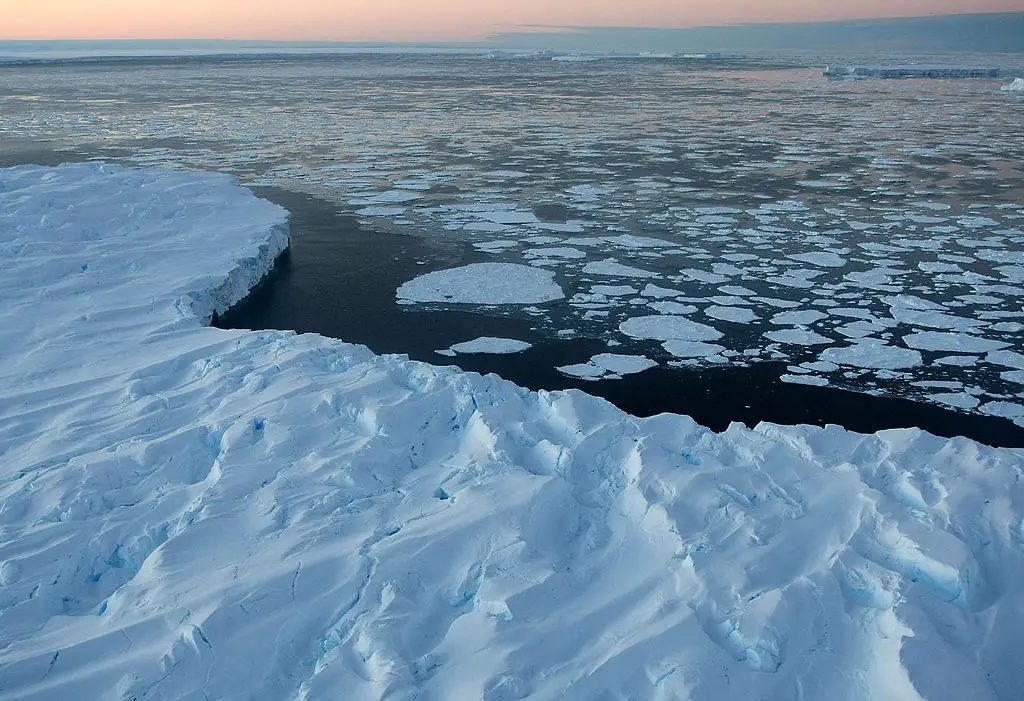
"Tropical coral reefs have experienced their most severe mass bleaching event to date, a shutdown of the main Atlantic overturning circulation is now considered a credible risk even under low-to medium-emission scenarios, and major Antarctic ice masses may have already begun their slide into the ocean."
The group of scientists warned that by breaching seven of the nine planetary boundaries, humanity has pushed Earth beyond the conditions considered safe for a stable and healthy planet.
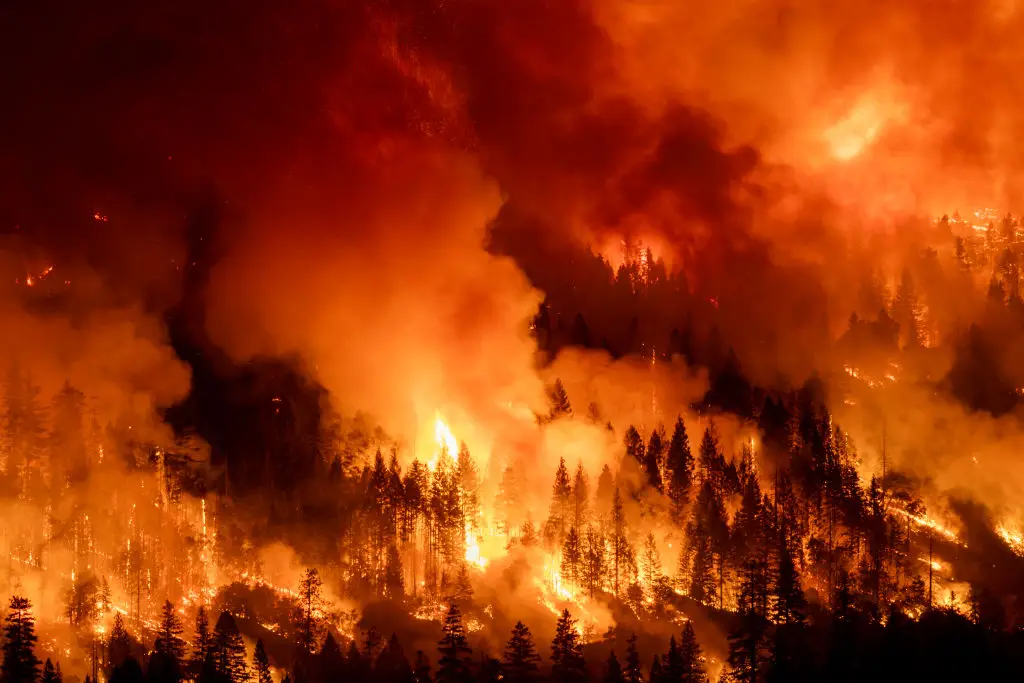
This means the environmental systems we rely on are increasingly being disrupted, creating greater risks to people around the world.
But all hope is not lost, as the experts further noted that we 'still have a window to turn this around'.
Niklas Kitzmann, editor of the report, explained to Live Science: "But we do have to start bending the curves on emissions and on nature degradation within the next few years.
"We're rapidly running out of time."
And with so many factors in the red zone, 'severe, irreversible damage to key planetary functions' has become more likely than ever before.
Lead author, Professor Carlos Nobre, also noted: "If it crosses its tipping point, up to 70 per cent of the Amazon forest could transition from lush rainforest to dry tropical savanna.
"But the resulting impacts would extend far beyond the Amazon itself, with serious implications for climate stability, food and water security, and human health around the world, such as an increased risk of epidemics."
Topics: Climate Change, Environment, Science, World News
 Mia Williams