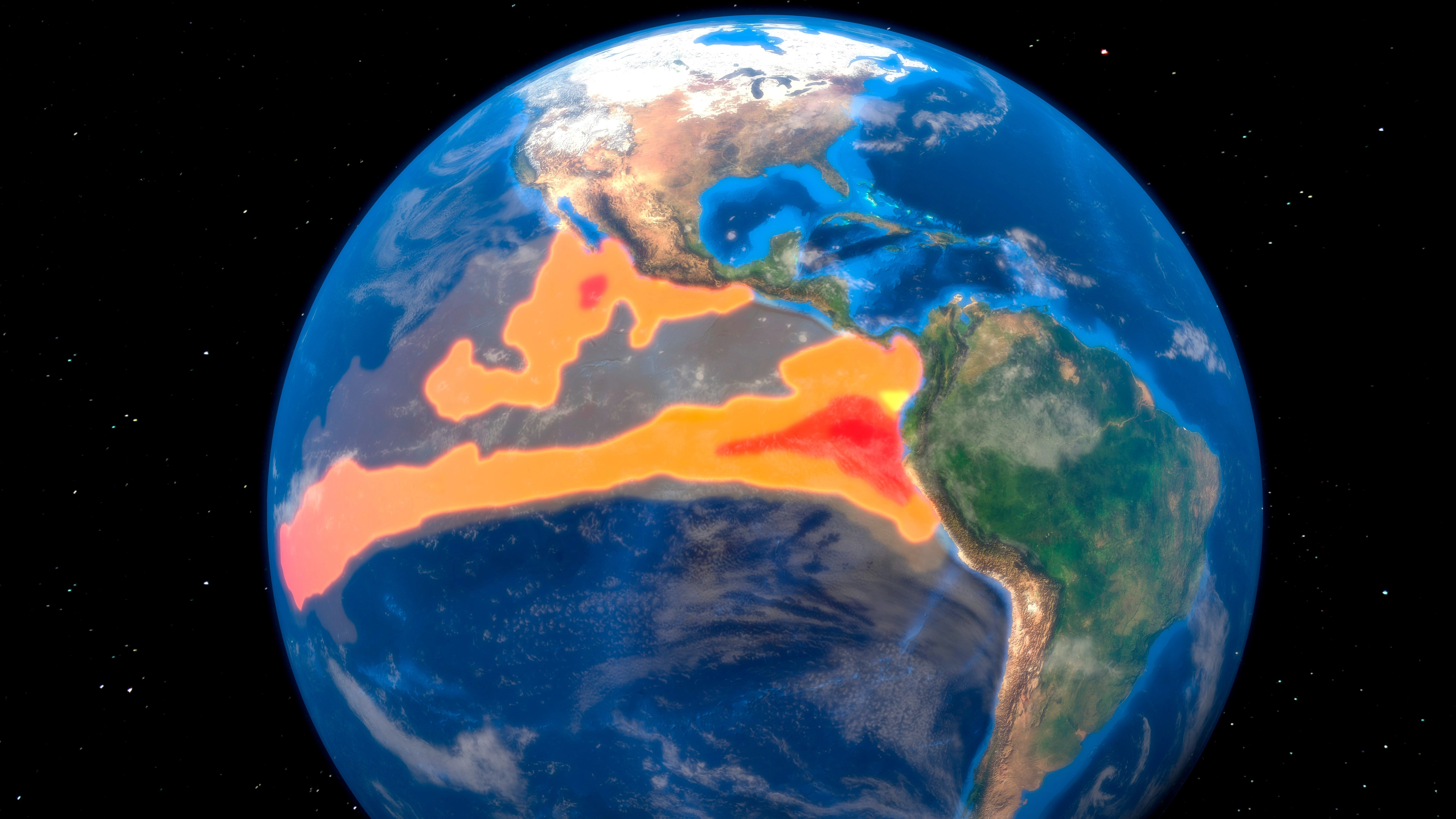
Scientists issue warning after finding modern Super El Niños are strongest in 1,000 years

Scientists issued a chilling warning after discovering that recent Super El Niño events are the most violent they have been in a millennium.
This terrifying finding comes from a study analyzing fossilized corals in the Galápagos Islands to reconstruct an ocean temperature timeline spanning 1,000 years.
El Niño and La Niña are the warm and cool swings of the planet's largest climate driver - they shift global weather patterns, causing severe droughts and flooding.
Lead researcher Julie Cole, an environmental scientist at the University of Michigan, explained that experts previously struggled to know if our recent chaotic weather was truly unprecedented.
Advert
“We’ve been seeing some very strong El Niño events in the late 20th and early 21st century, and what we didn’t know was how unusual those are,” Cole said, per Ars Technica.
To solve this mystery, her team examined extracted core samples of ancient coral heads to trace chemical changes, as they reflect ocean temperatures month by month.
The Galápagos Islands sit directly in the middle of the eastern Pacific climate pattern, making them the ideal spot to analyze long-term oceanic changes.
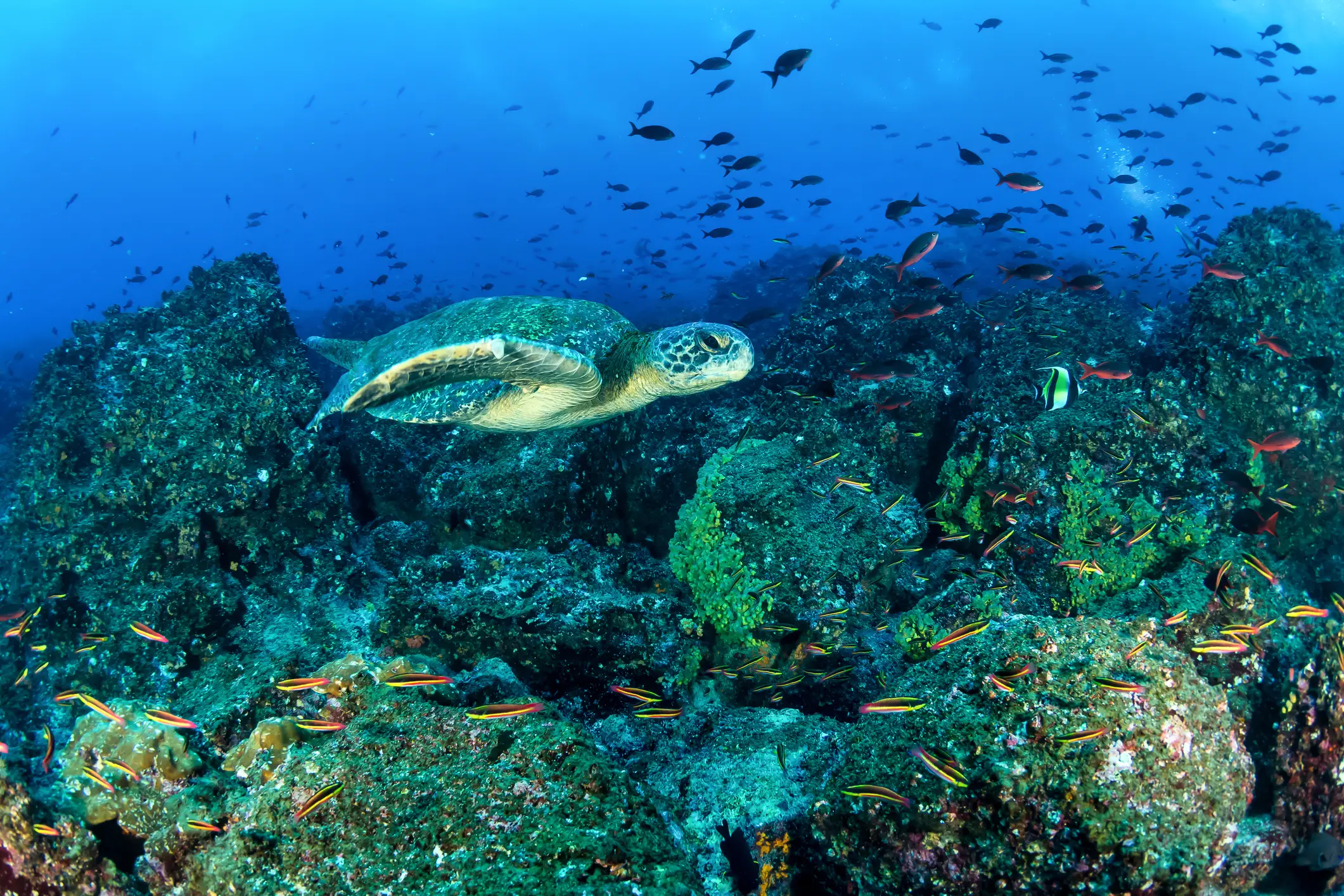
Researchers carefully looked at elements trapped within the calcium carbonate layers of the coral to track historical ocean conditions.
“As temperatures get warmer, we get less strontium in the coral,” Cole explained.
“They may be 100 years old, 200 years old, or 900 years old, or even older.”
The results proved that modern weather swings look unrecognizable compared to the past millennium, as temperature variability spiked 36.5 percent higher than preindustrial times.
“The events don’t look anything like what we see in the pre-industrial era,” she continued.
“That was exciting. And a little surprising, actually.
“The skewness turned positive, and the positive skewness indicates that it’s the warmer events that got stronger."
To figure out if this shift was a natural cycle, the research team checked climate models.
Cole admitted the team lacked direct observational data in the eastern Pacific to compare their findings against - which Cole shared is the reason the study landed in the prestigious journal Science.
When the researchers searched existing climate models for evidence of these extreme swings happening naturally, they found nothing.
However, Cole revealed that the rapid emergence of this intense weather in the eastern Pacific perfectly aligns with models predicting human-driven climate change.
While she stressed that scientists can't predict the future, she likened their ancient coral samples to a slightly murky crystal ball that lets them peer deep into the planet's past.
With increasingly violent storms now developing globally, experts are concerned about what will happen next.
“It suggests that what we see is not a fluke,” Cole added, “but rather a new type of situation for El Niño, a new style of El Niño.”
She concluded: “We are attributing that to warming, and we know what causes the warming, and it’s our use of fossil fuels.
“One more warning sign here of what we’re facing in a warmer world.”
Topics: Climate Change, Environment
 Joe Yates