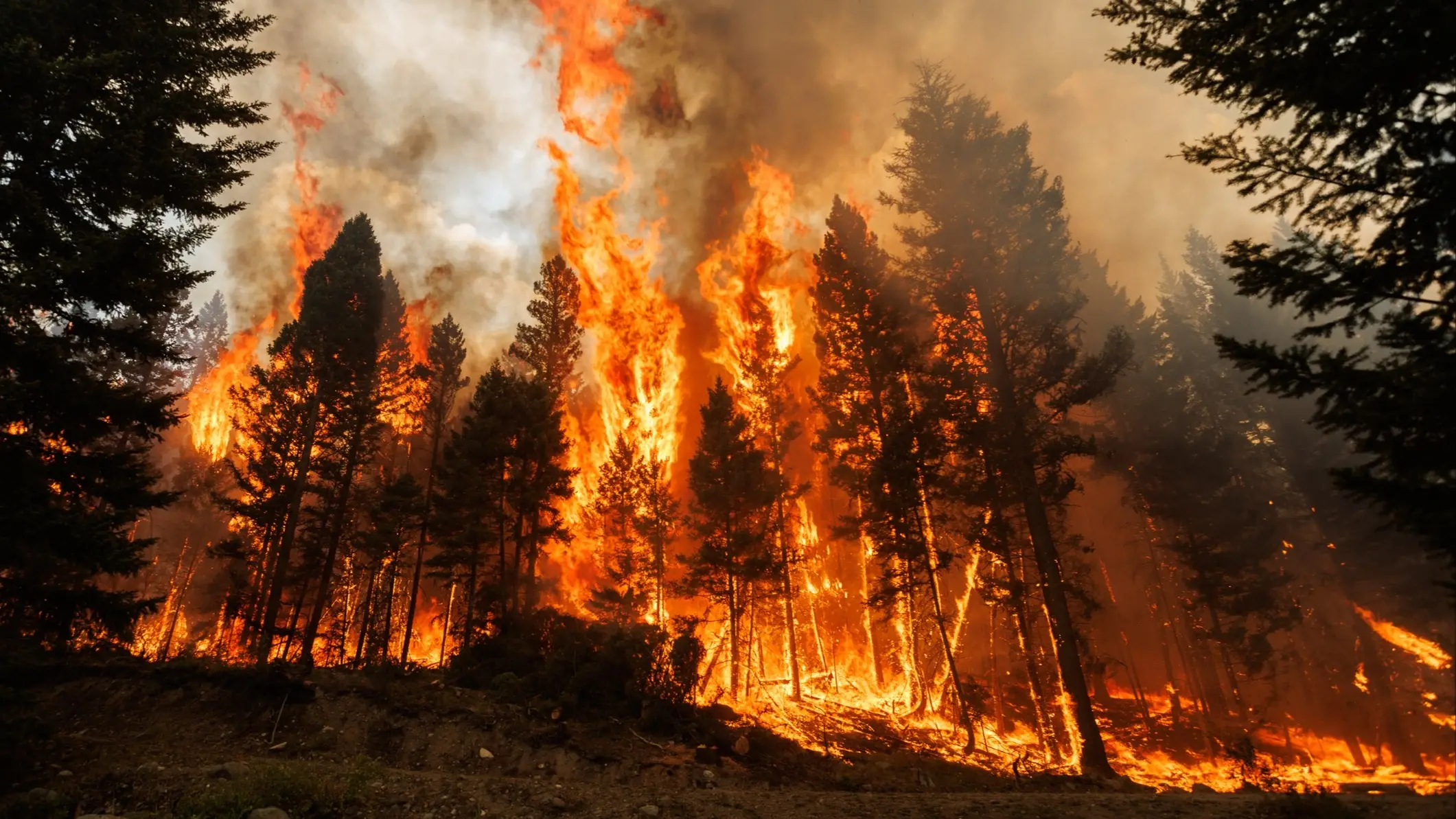
Weather expert explains the impact Super El Niño has on America

Climate scientists are tracking the 'super El Niño', with forecasters believing it could end up being the most intense climate phenomenon the world has seen since the 50s.
The warning comes from the NOAA Climate Prediction Center, which puts the odds at greater than 90 per cent that the Current El Niño will strengthen into a 'very strong' climate event by the time it peaks between October and December this year.
A shift of this magnitude has the power to rename patterns of storms, cause drought and also intense heat that could have ripple effects across the Americas well into 2027.
El Niño describes a periodic warming of ocean temperatures in the central and eastern Pacific, and it's known for scrambling weather patterns worldwide.
Advert
A 'super' or 'very strong' El Niño is the phenomenon at its most extreme, capable of pushing the jet stream far enough off course that entire regions end up with a completely different winter.

Speaking to UNILAD, Crystal Egger, President and Co-Founder of Monarch Weather & Climate Intelligence, broke down why this particular event is worth paying attention to.
"A Super El Niño is a big deal because it can significantly shift weather patterns across the U.S. for months, and its impacts can extend far beyond simply bringing warmer or wetter weather," she explained.
According to Egger, the system effectively redraws the atmosphere's 'road map,' determining where storms track, where heat builds, and where drought or flooding becomes more likely.
Already, the effects are being felt. Strong wind shear building over the Atlantic is putting a temporary lid on early-season hurricane activity, even as the US and Canada are being pushed toward a stark winter weather split.
Meanwhile, northwestern South America is bracing for severe drought conditions, raising the risk of forest fires in the region.
How will El Niño affect winter 2026 weather in the US?
Not everyone will experience this winter the same way, according to Egger.
The southern tier of the US is likely looking at a wetter, stormier stretch of weather, while states further north could see conditions turn unusually warm and dry.
The Southeast faces its own specific threat: an elevated risk of severe weather and tornado outbreaks, with Florida flagged as particularly exposed to severe thunderstorms and tornadoes should the strong El Niño hold through the winter months.
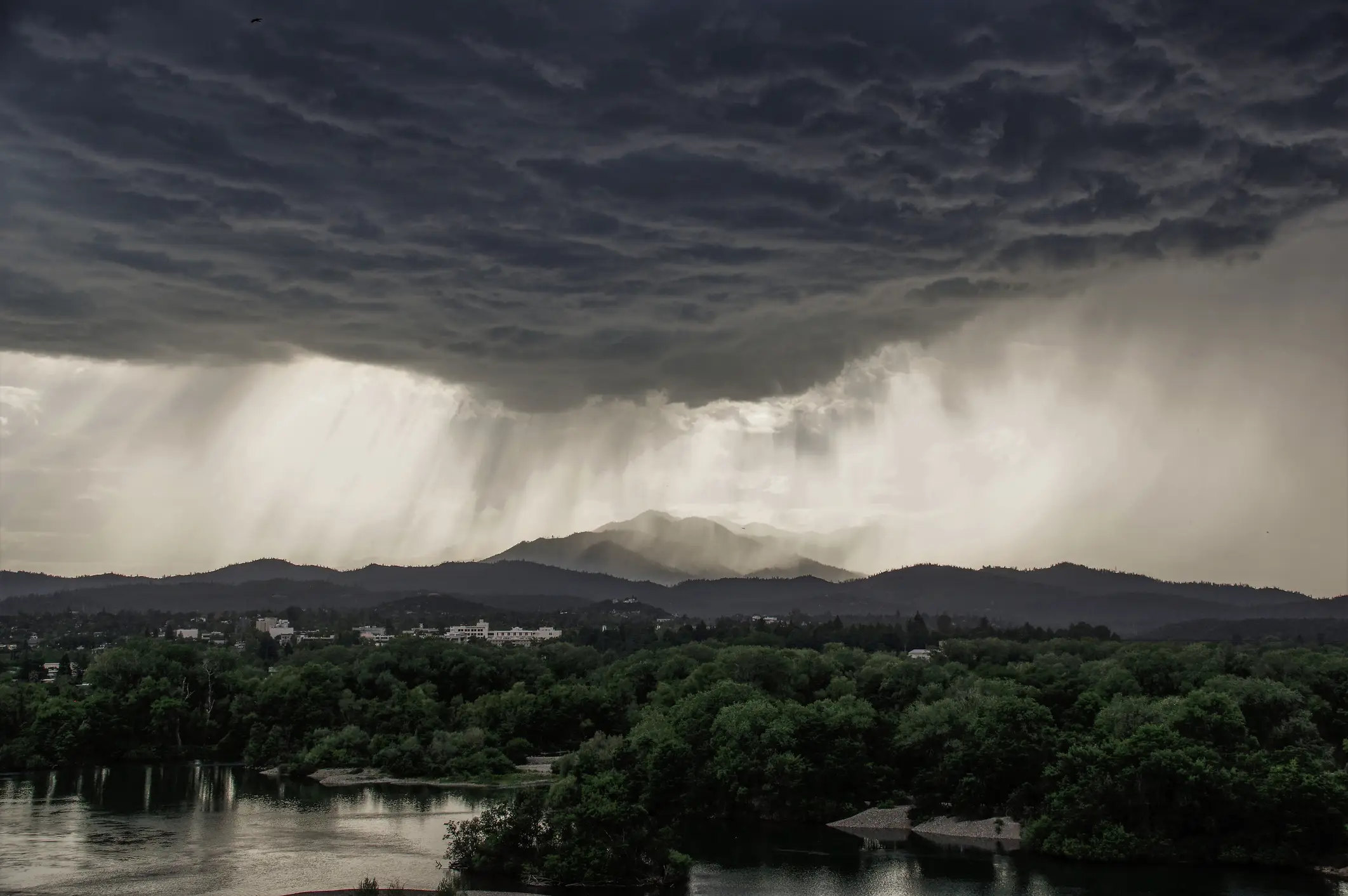
Out west, California and the wider Southwest could also see notable swings in rainfall, though Egger was careful to stress that a strong El Niño is never a guarantee of a wet season.
Ultimately, Egger said the real headline isn't that everyone gets the same forecast; it's that the odds shift depending on where you live.
Some areas face a heightened risk of heavy rain and flooding, others face heat and dryness, and with a signal this strong, the knock-on effects could shape what winter looks and feels like for tens of millions of people across the country.
Topics: Weather, US News, Climate Change
 Thomas Bamford