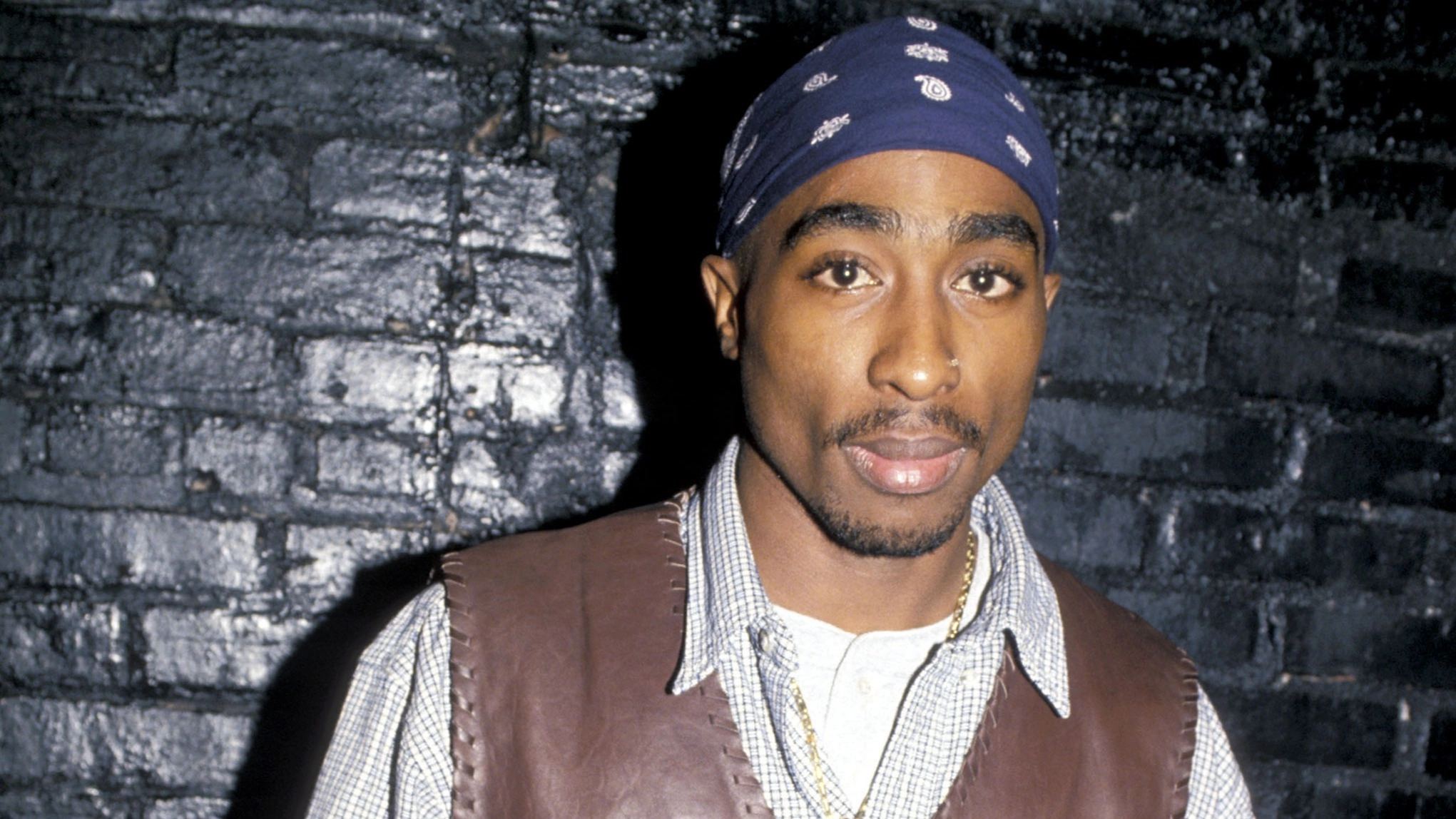
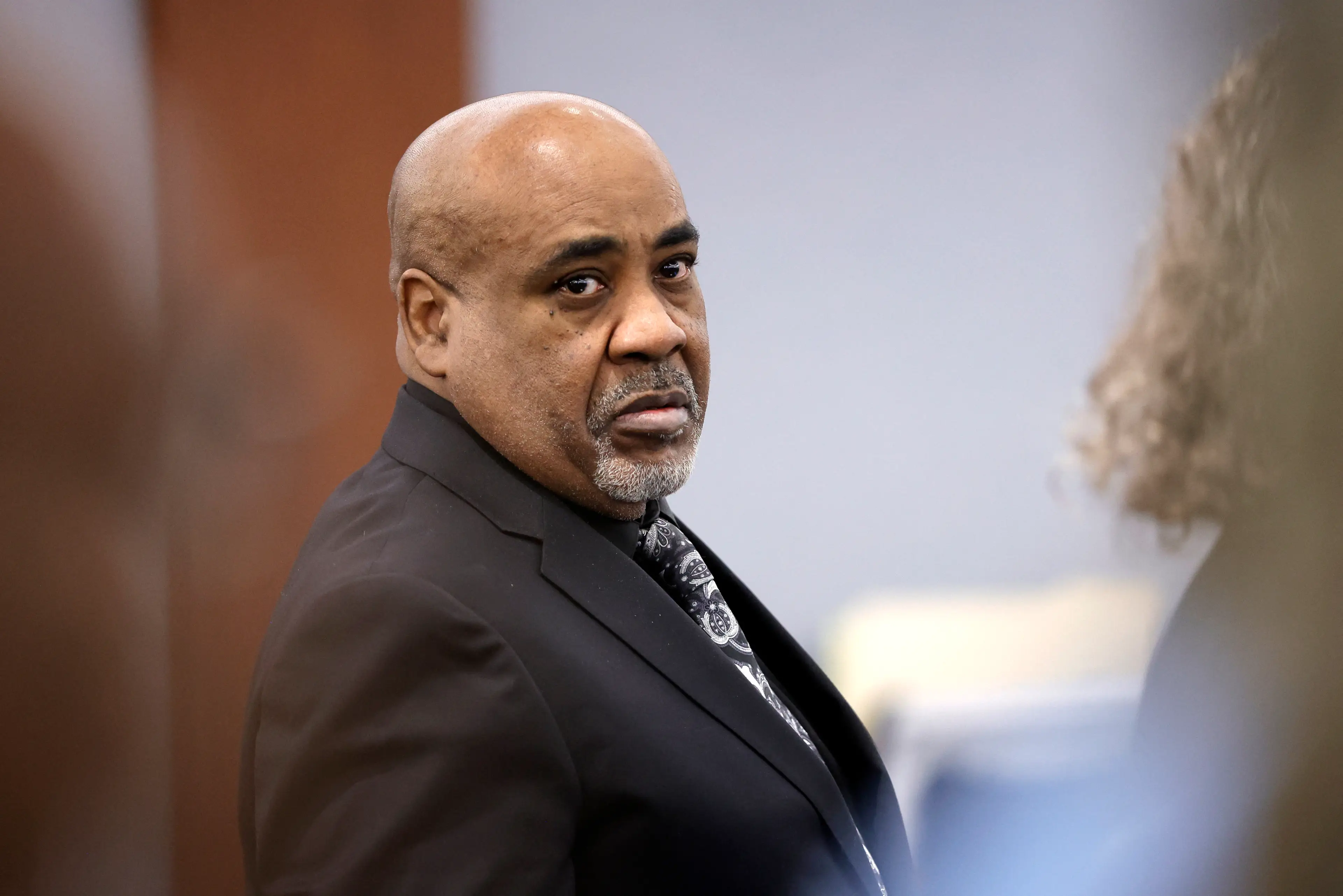
Duane 'Keffe D' Davis found guilty of murder in 1996 killing of Tupac Shakur

Duane 'Keffe D' Davis has been found guilty of first-degree murder for orchestrating the 1996 drive-by shooting that claimed the life of hip-hop legend Tupac Shakur.
Following a two-week trial in Clark County District Court in Las Vegas, the jury deliberated for less than three hours on Monday before returning a unanimous guilty verdict.
The decision marks the first and only criminal conviction in one of the music industry's most notorious and enduring unsolved murder cases.
The 63-year-old former gang leader was arrested by Las Vegas police in September 2023 and charged with murder with the intent to promote, further, or assist a criminal gang.
Advert
He faces up to life in prison at sentencing.
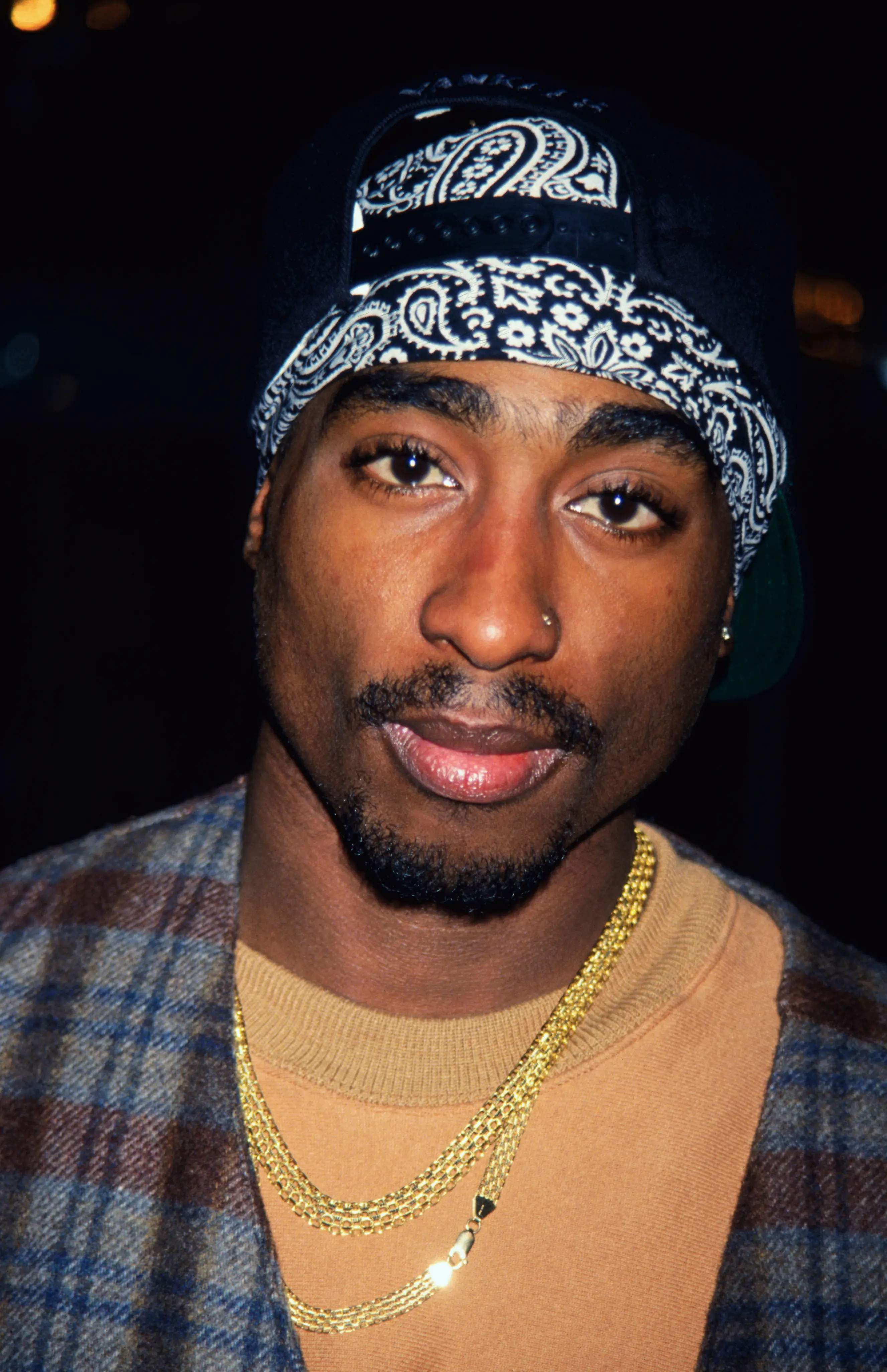
Shakur was just 25 years old when he was gunned down on the night of September 7, 1996, while riding in a black BMW driven by Death Row Records co-founder Marion 'Suge' Knight near the Las Vegas Strip.
A white Cadillac pulled up alongside their vehicle at a red light at Flamingo Road and Koval Lane, with gunfire erupting from the passenger side. Shakur was struck multiple times and died in hospital six days later.
While prosecutors acknowledged throughout the trial that Davis did not pull the trigger himself, they argued under Nevada law that he served as the 'shot-caller' and mastermind behind the fatal attack.
Gang experts and investigators testified that Davis obtained the .40-caliber handgun used in the shooting and rode in the front passenger seat of the Cadillac, orchestrating the ambush as direct retaliation for a violent brawl inside the MGM Grand casino hours earlier.
During that altercation, Shakur and Death Row associates had attacked Davis’s nephew, Orlando 'Baby Lane' Anderson.
Anderson, who long remained the primary suspect until he was killed in an unrelated gang shootout in 1998, was identified by Davis in past statements as the person who fired the fatal shots from the back seat.
Davis is the only surviving occupant of the four men inside the white Cadillac that night.
A central pillar of the prosecution's case was Davis's own extensive public record.
Over the last decade, Davis openly discussed his involvement in the ambush across multiple documentary series, podcast interviews, YouTube shows, and his 2019 self-published memoir, Compton Street Legend.
Defense attorneys argued that Davis was merely fabricating stories and engaging in 'bravado' to profit off the rapper's fame, claiming law enforcement had failed to produce independent physical evidence linking him to the scene.
However, the jury rejected the defense's claims, delivering justice nearly three decades after the iconic rapper was killed.
Judge Carli Kierny has set the sentencing for October 13, however Davis has already stated that he intends to appeal the conviction.
Who is Duane ‘Keffe D’ Davis?
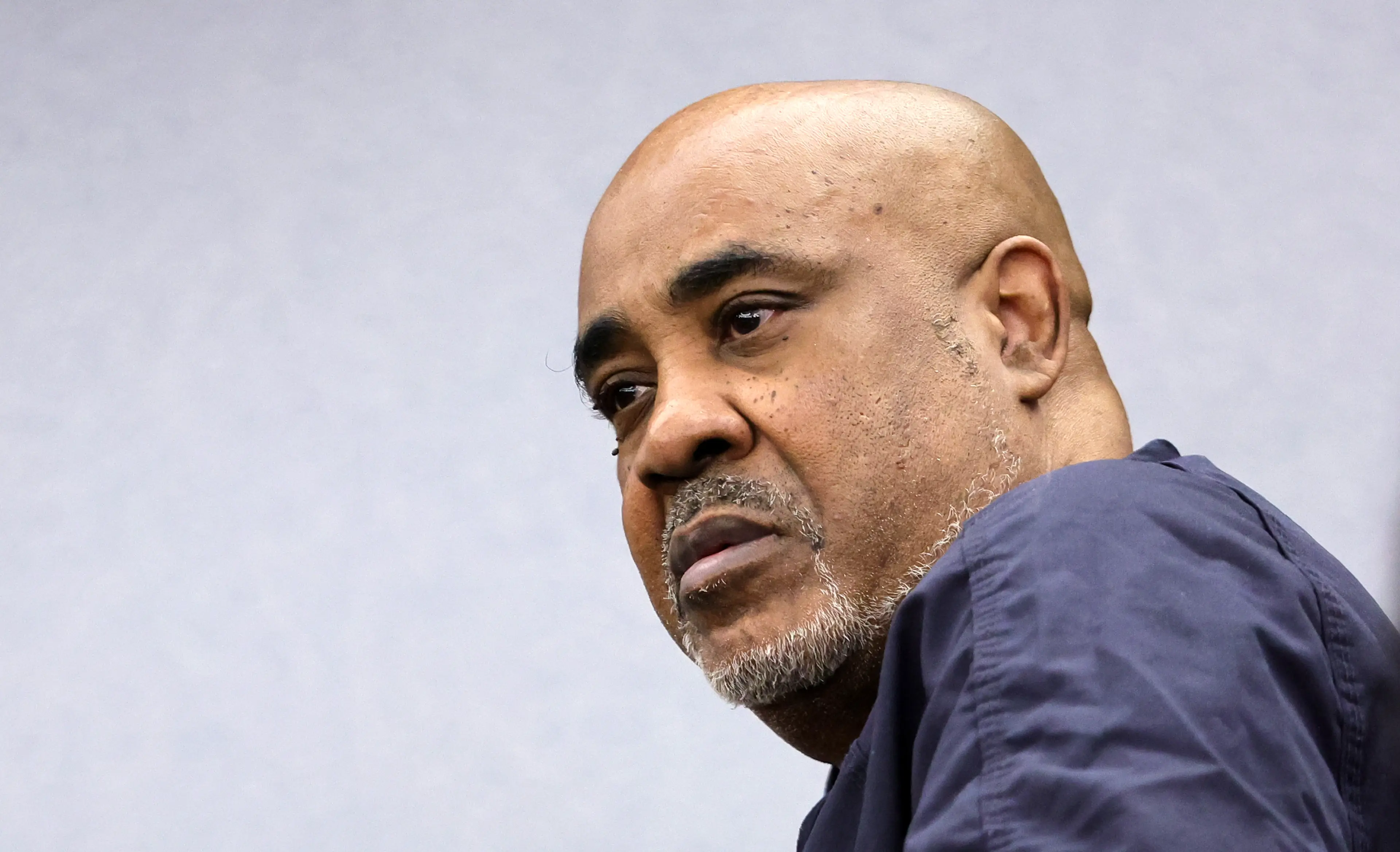
Duane Keith Davis, also known as ‘Keffe D’, is a former leader of the South Side Compton Crips and the uncle of Orlando ‘Baby Lane’ Anderson.
Davis became a central figure in Shakur’s case after publicly discussing his alleged involvement in interviews and in his 2019 memoir, Compton Street Legend.
During a 2008 police interview, Davis said he was in the vehicle from which the shots that killed Shakur were fired, but did not fire the bullets himself, alleging it was his nephew who pulled the trigger.
“[Anderson] leaned over and rolled down the window and popped him,” Davis said in a police recording.
Meanwhile, in his book, he penned: “I'm one of the only living eyewitnesses to Tupac's killing, who also knows the much larger story around the reasons why both Tupac and Biggie were killed.”
Following years of investigating, the Las Vegas Metropolitan Police Department raided Davis’ home in July, 2023. He was subsequently arrested and charged over Shakur’s killing.
However, the former gang boss continued to maintain his innocence.
Speaking from jail days before his trial started, Davis claimed that he was not in Las Vegas the night of Shakur’s shooting.
“They can’t prove it also,” he told FOX5.
Davis also claimed a ghostwriter was behind his 2019 memoir, adding that he ‘was just trying to make [his] family some money’.
Topics: Tupac Shakur, Crime, US News
 Phoebe Tonks