
Man issues warning after allergic reaction to popular ADHD medication nearly killed him

A man says he nearly died after an allergic reaction to his ADHD medication, which left him unable to trust other treatments later down the line.
Ryan Swain, is a 34-year-old man from Malton, North Yorkshire, UK, who was diagnosed with ADHD (attention deficit hyperactivity disorder) 16 years ago as a young adult.
However, after beginning medications to help him manage his symptoms, he said he nearly died when two reactions struck.
Ryan was diagnosed in 2010 after a nine-month wait and three specialist sessions.
Advert
That same year, he was found unresponsive on the floor at his home.
The experience, he said, has since led him to turn to more homeopathic methods to control his symptoms, which include things like music and skateboarding.
He also said he uses a couple of tools to help him with his organization after medications left him in a panic since the event.
But he revealed that despite being wary now, he’s not ‘anti-medication’.
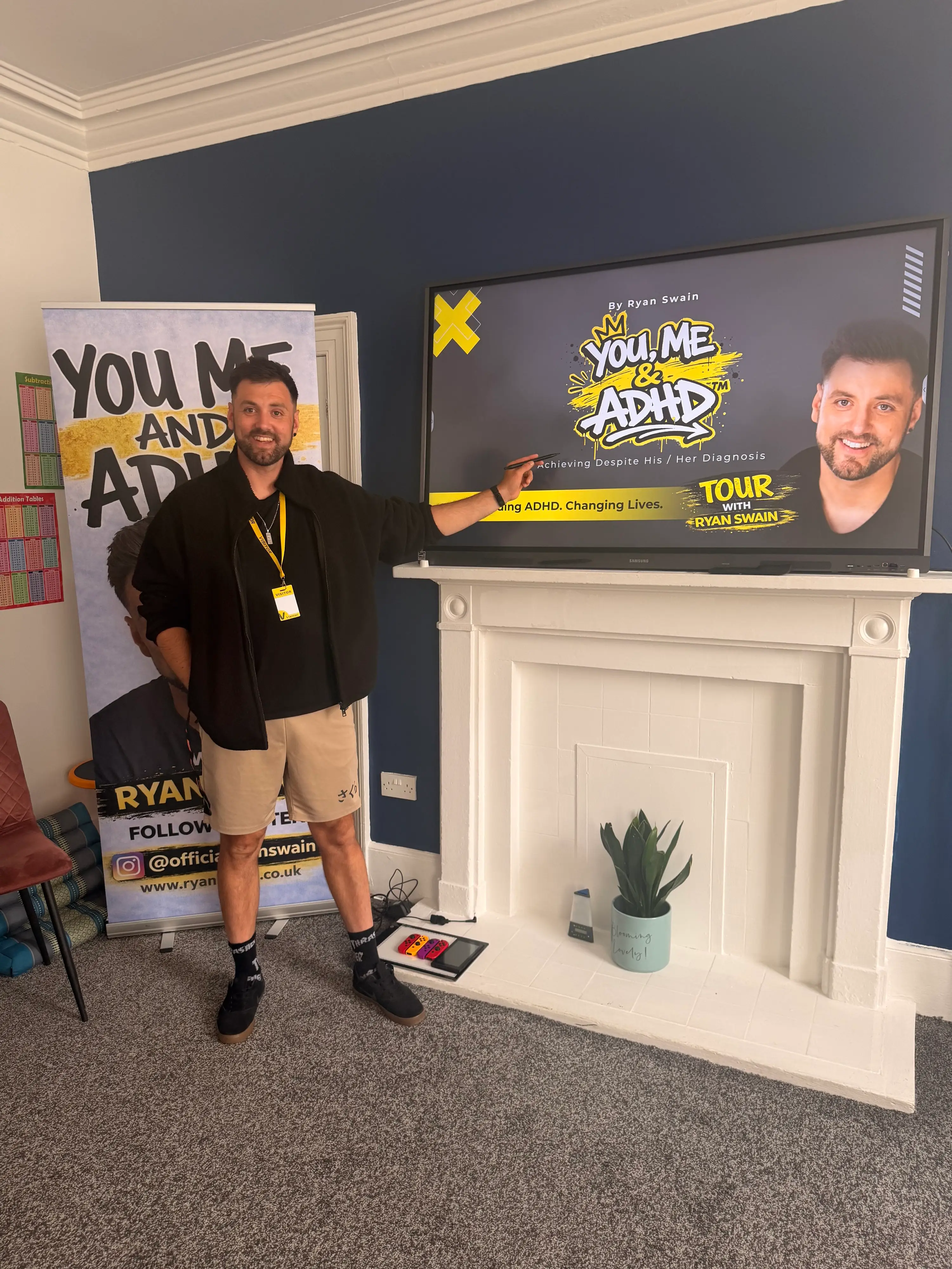
Ryan, who spoke with Talk to the Press, revealed he had been taking ADHD medication containing methylphenidate, and then another involving atomoxetine.
These compounds are included in a range of medications which aim to help people with ADHD manage their symptoms by stimulating the nervous system.
Per the Mayo Clinic, it works by ‘increasing attention and decreasing restlessness in children and adults who are overactive, cannot concentrate for very long, or are easily distracted and impulsive. ‘
Atomoxetine has similar effects, but the website states it works in the brain and not the central nervous system.
Ryan explained: "I didn't really know how my anatomy was going to react to this medication, and within the first few months on the Concerta I just became an absolute zombie, a complete shell of myself.”
He added that when they 'then put me on atomoxetine’, it worked ‘very well’ at first because it 'did not take too much of my personality away’.
However, he revealed that he ‘did not realise how much of an impact it was having on my vital organs.’
Scarily, Ryan claims he ended up suffering with his stomach lining rupturing and losing consciousness because of the drugs.
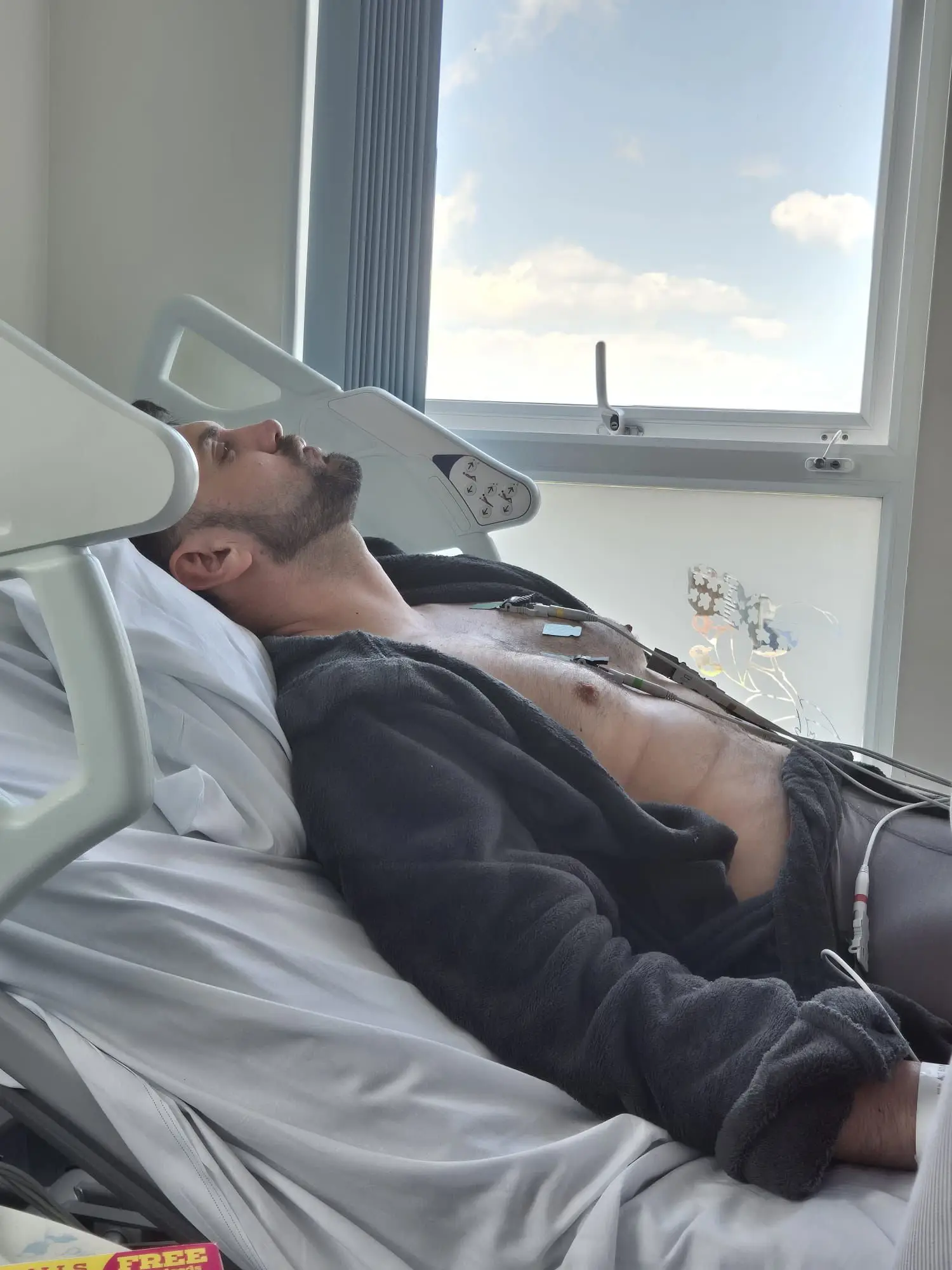
Ryan said he feels like he was ‘led down the garden path’ to choose to take medications to manage his ‘impulsivity, difficulty planning ahead, seeking an immediate reward, executive-function challenges and not always fully processing the future consequences of a decision’.
Ryan’s severe reaction to atomoxetine occurred on New Year's Eve in 2010.
He said of the event: “I collapsed at home and when I woke up I was in an operating theatre in the hospital.
“I'd been blue-lighted to hospital, my dad beside me, and basically flatlined for a few seconds, because I'd had a violent allergic reaction. The doctor said he's never ever seen anything like it in his life."
Ryan claims doctors told him the medication was the reason for the extreme reaction.
“Not only did I flat line and nearly fall into a coma but when I was resuscitated, I was projectile vomiting for hours and hours and hours to a point where I was actually rupturing my stomach lining and throwing up blood,” Ryan said, and revealed he quit the drugs cold turkey, which then ‘had a massive impact on my life’.
“I felt like I had been led down a garden path to take this medication which had nearly killed me,” Ryan claimed.
He added of the impact: "I have since struggled with taking general medication after my reaction. It created a real anxiety and lack of trust around taking anything without first understanding why I need it."
Years later, Ryan now works with young people and their families via his business, which offers a free service.
You, Me & ADHD helps others understand there are alternatives to medication for managing ADHD.
According to the Mayo Clinic, Atomoxetine carries risks.
It states: "This medicine may cause serious allergic reactions, including anaphylaxis, angioneurotic edema, which can be life-threatening and require immediate medical attention."
Concerta also has similar effects, as well as chest pains.
Johnson & Johnson told UNILAD of the reaction: "Patient safety is our highest priority, and we take all reports of adverse events seriously. Concerta XL (methylphenidate hydrochloride) has been approved for the treatment of ADHD in the UK and has an established safety profile that is continually monitored by health authorities and the company. As this relates to an individual patient's experience, it would not be appropriate for us to comment on the specific circumstances reported in the media. We encourage any suspected adverse reactions to be reported through the MHRA Yellow Card Scheme and discussed with a healthcare professional."
UNILAD reached out to Eli Lilly and Company for comment.
Topics: Mental Health, Health, UK News
 Britt Jones