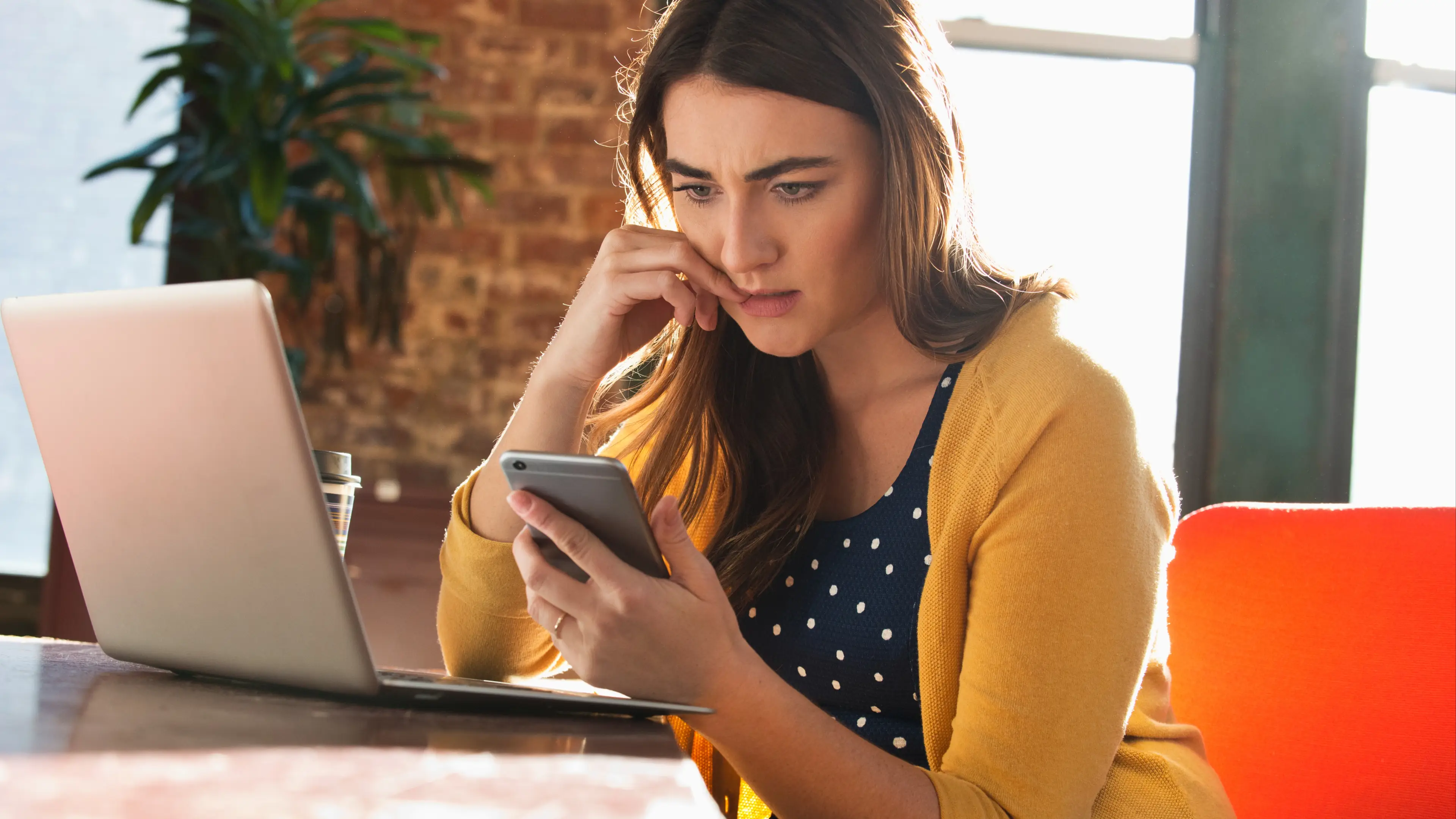
Experts issue warning for dangerous ADHD trend on social media

Experts have warned of the dangers of turning to social media to give you answers about your mental health and highlighted a key issue.
While social media simply seemed like a teenage phase that wouldn’t last, it is both terrifying and impressive to see just how much it is in each of our lives.
With that said, people are more regularly turning to social media to answer their questions about health and well being, even choosing certain platforms over the typical Google search.
However, experts from the University of East Anglia (UEA) and Norfolk and Suffolk NHS (National Health Foundation) Foundation Trust have highlighted why this may not be the best step to take when it comes to mental health.
Advert
The team conducted studies to examine the quality of mental health and neurodivergence information on social media.
The researchers were able to conclude that misinformation prevalence was ‘consistently higher on TikTok than other platforms’ like YouTube, Facebook, X and Instagram.
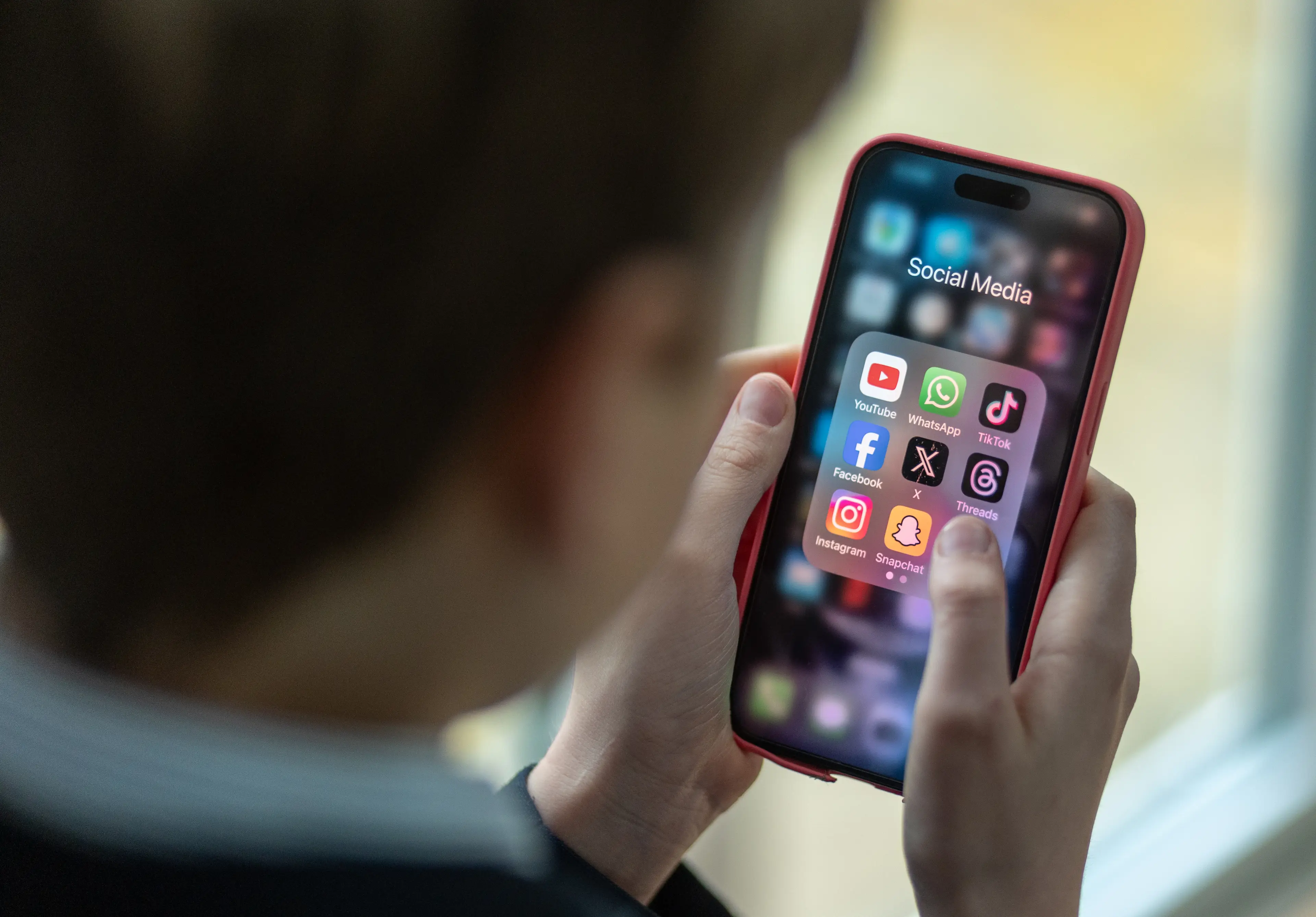
Dr Alice Carter, from UEA, said: “When we looked closely at TikTok content, studies reported that 52% of ADHD-related videos and 41% of autism videos analyzed were inaccurate.
“By contrast, YouTube averaged 22% misinformation while Facebook averaged just under 15%.”
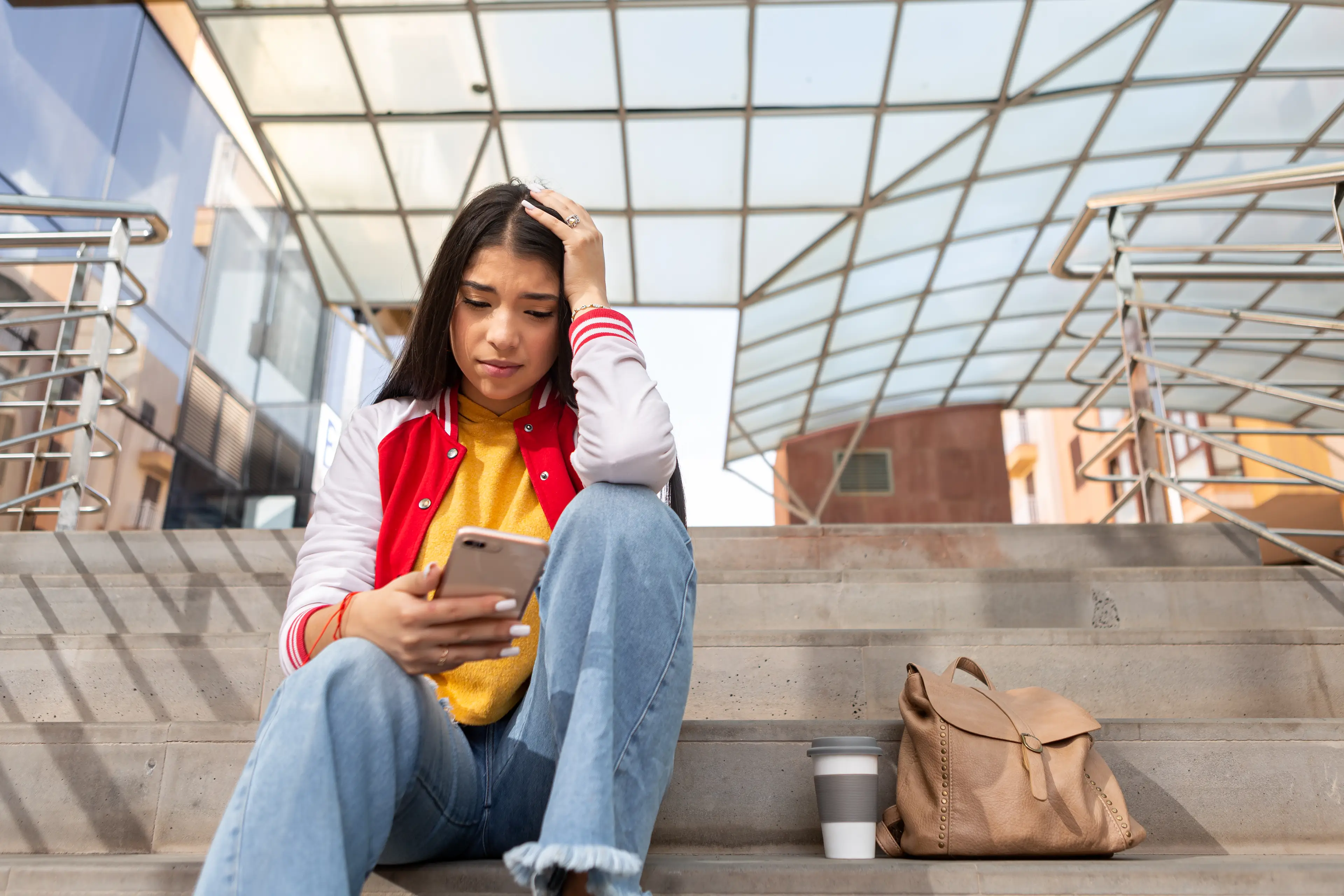
Dr Eleanor Chatburn from UEA’s Norwich Medical School explained while it can be a useful tool, it has resulted in some young people believing they have mental disorders without being diagnosed or seen by a professional.
In addition to this, due to the algorithm’s at work, information, regardless of whether it is correct or not, can go viral and spread, worsening the issue of misinformation.
Chatburn said: “Mental health information on social media matters because many young people now turn to these platforms to understand their symptoms and possible diagnoses.
“TikTok content has been linked to young people increasingly believing they may have mental health or neurodevelopmental conditions. While this questioning can be a helpful starting point, it’s important these questions lead to proper clinical assessment with a professional.
“As well as leading to misunderstanding of serious conditions and pathologizing ordinary behavior, misinformation can also lead to delayed diagnosis for people that actually do need help
The team did find that content that was created by health professionals was more likely to be accurate however.
Carter added: “While lived-experience can play an important role, with personal stories helping people to feel understood and raising awareness of mental health conditions, it is vital to ensure that accurate and evidence-based information from clinicians and trusted organizations is also visible and easy to find.
“TikTok’s algorithms are also designed to push rapidly engaging content and this is a major driver of misinformation.
“Once users show interest in a topic, they are bombarded with similar posts – creating powerful echo chambers that can reinforce false or exaggerated claims. It is a perfect storm for misinformation to go viral faster than facts can catch up.”
A TikTok spokesperson countered this new study, however.
In a comment to UNILAD, the spokesperson said: "This is a flawed study that relies on outdated research about multiple platforms. The facts are that we remove harmful health misinformation and provide access to reliable information from the WHO, so that our community can express themselves about what matters to them and find support."
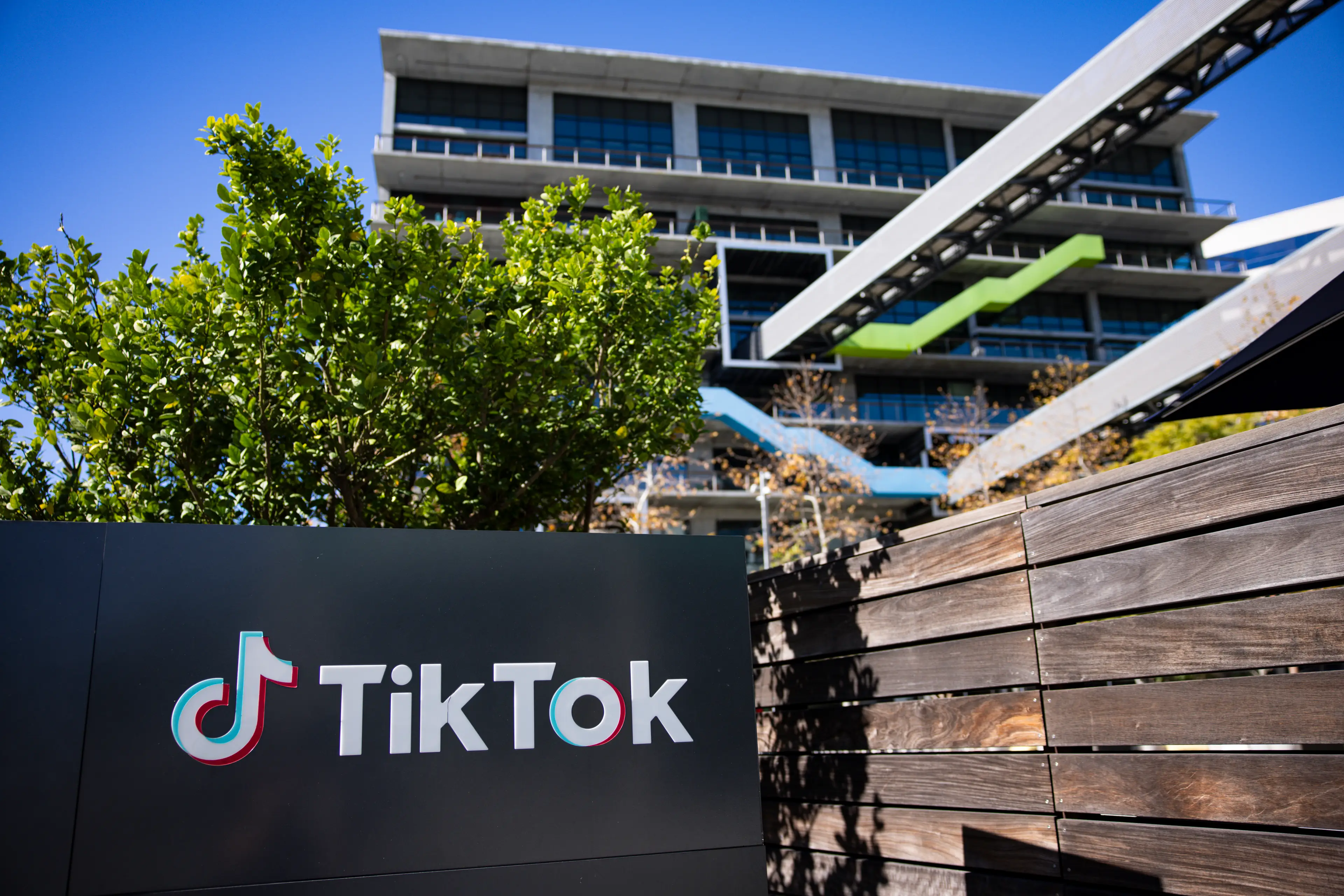
The social media platform's community guideline also insists it attempts to take speedy action when it comes to misinformation.
The guidelines read: ”We take action against health-related misinformation [and] do not allow inaccurate medical advice that discourages people from getting appropriate medical care for a life-threatening disease, and other misinformation that poses a risk to public health.”
With that said, the platform also notes that it allows people to share their personal medical experiences and discuss emotionally complex topics without increasing the risk of harm.
The spokeperson also highlighted that TikTok removed more than 98.55 of videos that violated its policies on minsinformation in Q3 2025 proactively, before it was reported by users.
Topics: Health, News, Mental Health
 Gerrard Kaonga