These 7 health signs prove you're getting older, according to a doctor

Ageing doesn’t always announce itself with grey hair or a few more candles on the cake.
Some of the biggest changes can be happening inside your body long before you notice them.
Dr. Babak Ashrafi, a doctor at Superdrug Online Doctor, told Metro that changes to sleep, libido, erections, blood pressure, cholesterol, weight and exercise recovery can all occur as we age.
However, he stressed that some of these changes should not simply be written off as getting older.
Advert
One of the less obvious changes can involve your cardiovascular health.
As blood vessels become less flexible with age, the risk of high blood pressure can increase.
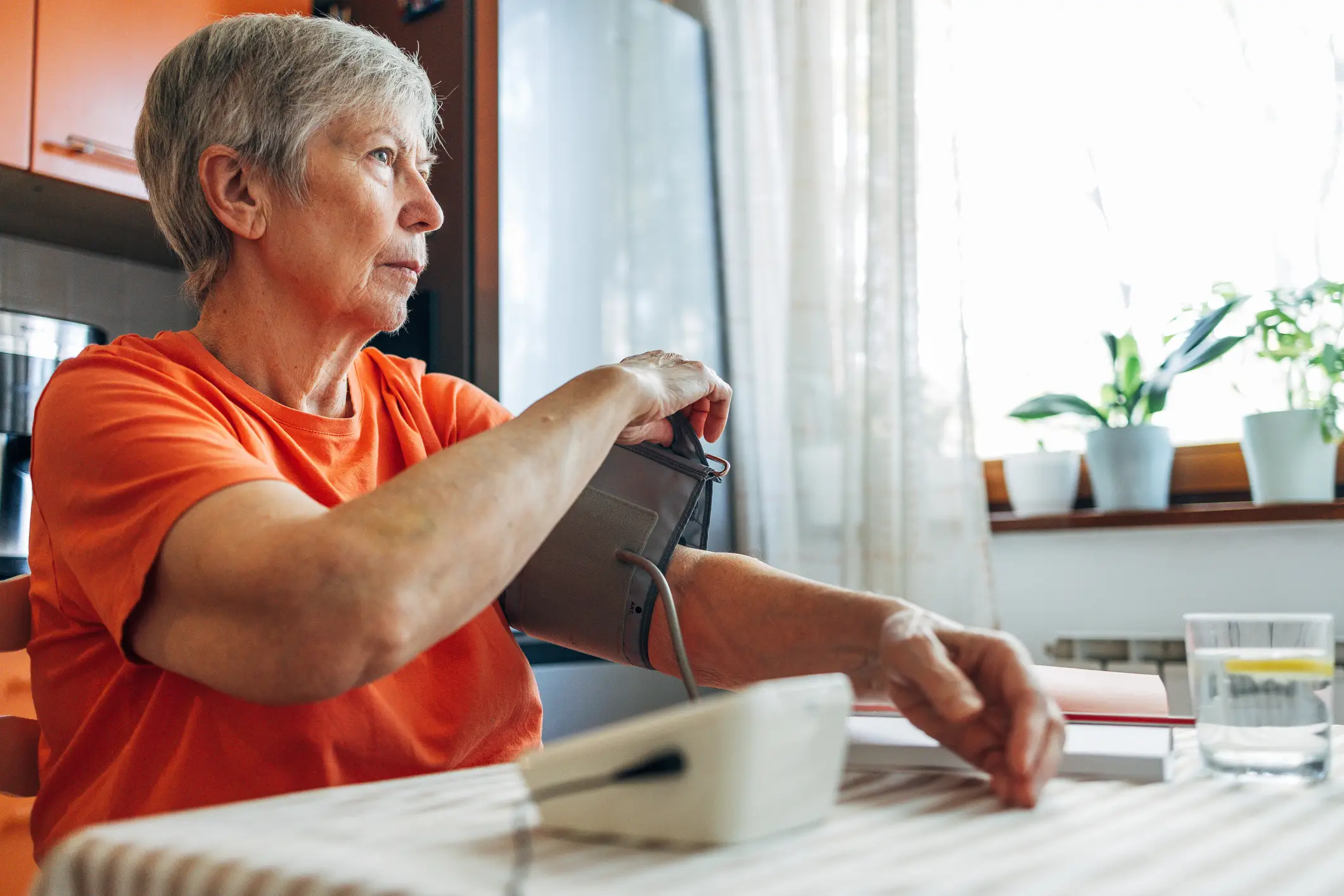
The tricky part is that you may feel completely healthy while it is happening, because high blood pressure does not always cause noticeable symptoms.
Dr. Ashrafi said knowing your numbers and having them checked regularly is an important part of looking after your long-term cardiovascular health.
For a healthy adult, the ideal blood pressure target is generally below 120 mm Hg systolic and below 80 mm Hg diastolic.
Cholesterol can also change over time, even if your diet has stayed broadly the same. Age, genetics, activity levels, diet and other health conditions can all play a role, while raised cholesterol typically does not cause obvious symptoms.
Identifying it can give people an opportunity to make lifestyle changes and, where appropriate, discuss treatment before it contributes to more serious cardiovascular problems.
Why does your weight change as you get older?
Another change many people eventually notice is that maintaining the same weight becomes more difficult.
Dr. Ashrafi explained that this is often connected to the loss of muscle mass that occurs with age.
Muscle uses energy, so having less of it can affect how many calories your body needs, particularly if you have a sedentary lifestyle.
He recommended maintaining muscle through regular resistance exercise, while staying active and eating a balanced diet.
Exercise itself can also start to feel different.
You may find that you need longer to recover after a workout or feel stiffer afterward than you once did. But Dr. Ashrafi said slower recovery is not a reason to stop challenging your body.

A combination of cardiovascular exercise, resistance training and mobility work can help support muscle, bone health and cardiovascular fitness.
Then there are changes that can be a little harder to talk about.
Libido can decline with age as hormone levels change. Testosterone tends to gradually fall in men, while estrogen and testosterone levels can drop sharply for women during perimenopause and menopause.
Stress, sleep, medications and other health conditions can also affect sex drive.
A significant change, particularly alongside fatigue or erectile difficulties, is worth discussing with a medical professional rather than automatically blaming on age.
Erectile difficulties themselves can become more common with age, but regular problems getting or maintaining an erection should be checked out. They can have psychological causes, but may also be associated with high blood pressure, high cholesterol or diabetes, and in some cases can prompt a closer look at cardiovascular health.
Why does sleep change as you age?
Your sleep can also shift as the years pass. You may wake more frequently, wake earlier than you used to or have a harder time falling asleep.
Dr. Ashrafi said people can spend less time in deeper stages of sleep as they age, with changes involving sleep-promoting hormones such as melatonin and cortisol, as well as biological shifts in the body's internal clock.
But persistent trouble falling or staying asleep should not automatically be dismissed as aging, and medical advice should be sought if sleep problems continue.
There are plenty of things people can do to support healthy aging, including regular exercise, a balanced diet, good-quality sleep, not smoking, drinking alcohol in moderation and keeping up with routine medical checks.
Genetics also play a role, with studies suggesting that at least 20 to 30 percent of healthy aging can be attributed to genes alone. But knowing your key health numbers and speaking with a medical professional when something changes can help identify potential problems earlier.
 Thomas Bamford