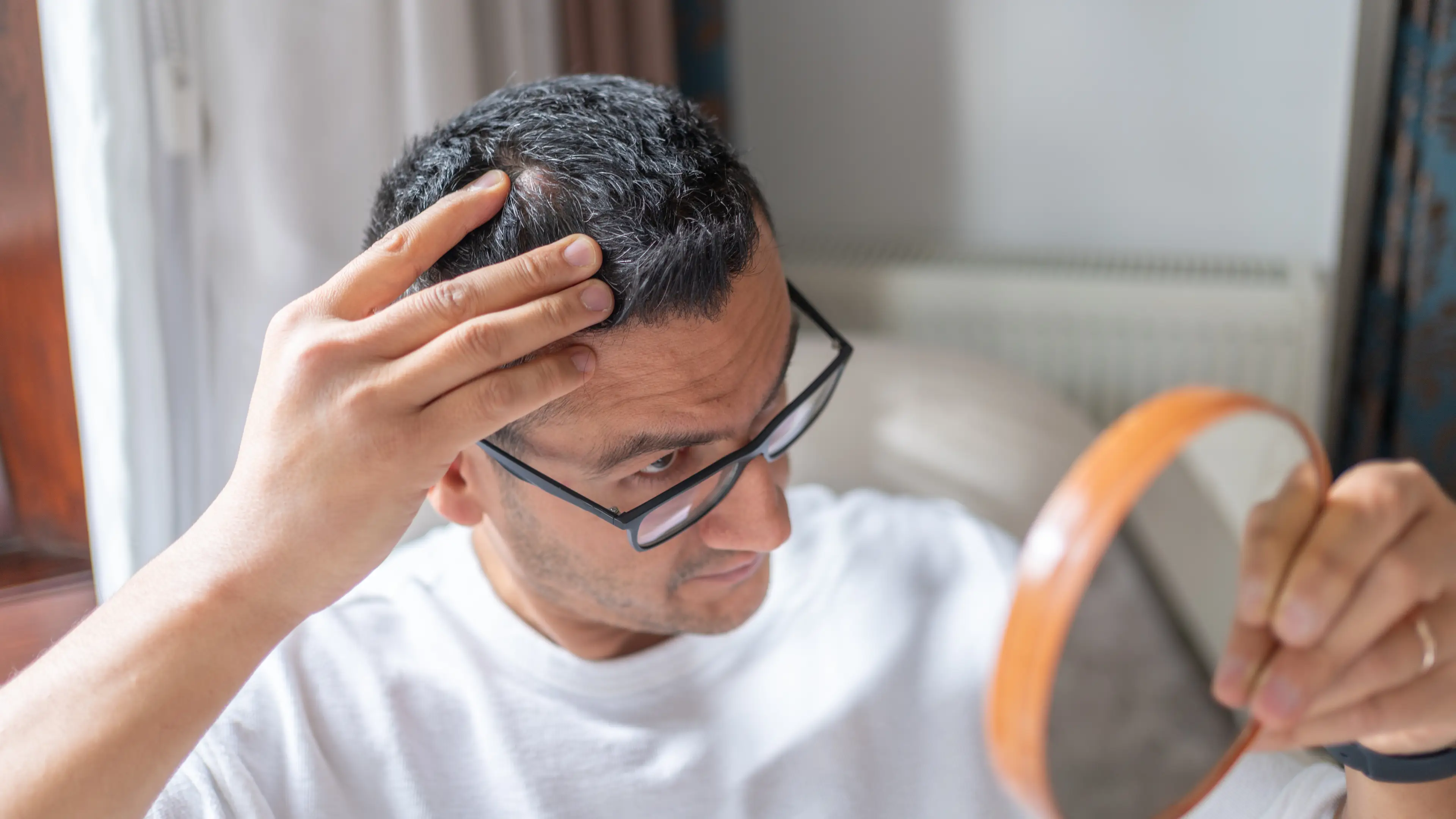
Doctor urges men to check their scalps for these little-known skin cancer signs

A doctor has warned men to check their scalps for something that could be a potential warning sign for cancer.
Dr Abdulaziz Balwi is a doctor specializing in hair transplantation and how to restore hair, meaning that he sees a lot of patients who are experiencing male pattern baldness.
"Hair loss feels like an immediate cosmetic concern, while skin changes are easier to dismiss because they may not hurt," he told UNILAD.
There are some warning signs which the doctor warned should be investigated if someone notices them.
Advert
"Any spot that changes, bleeds, repeatedly forms a scab, does not heal or looks noticeably different from the surrounding marks should be examined," he advised, adding: "Men do not need an extensive skincare collection, but they do need to stop treating sun protection and skin checks as optional."
The doctor also warned that men will be more at risk of developing this if they have thinning hair or are bald.
He shared a big reason why men may be more at risk of developing conditions such as skin cancer after going bald.
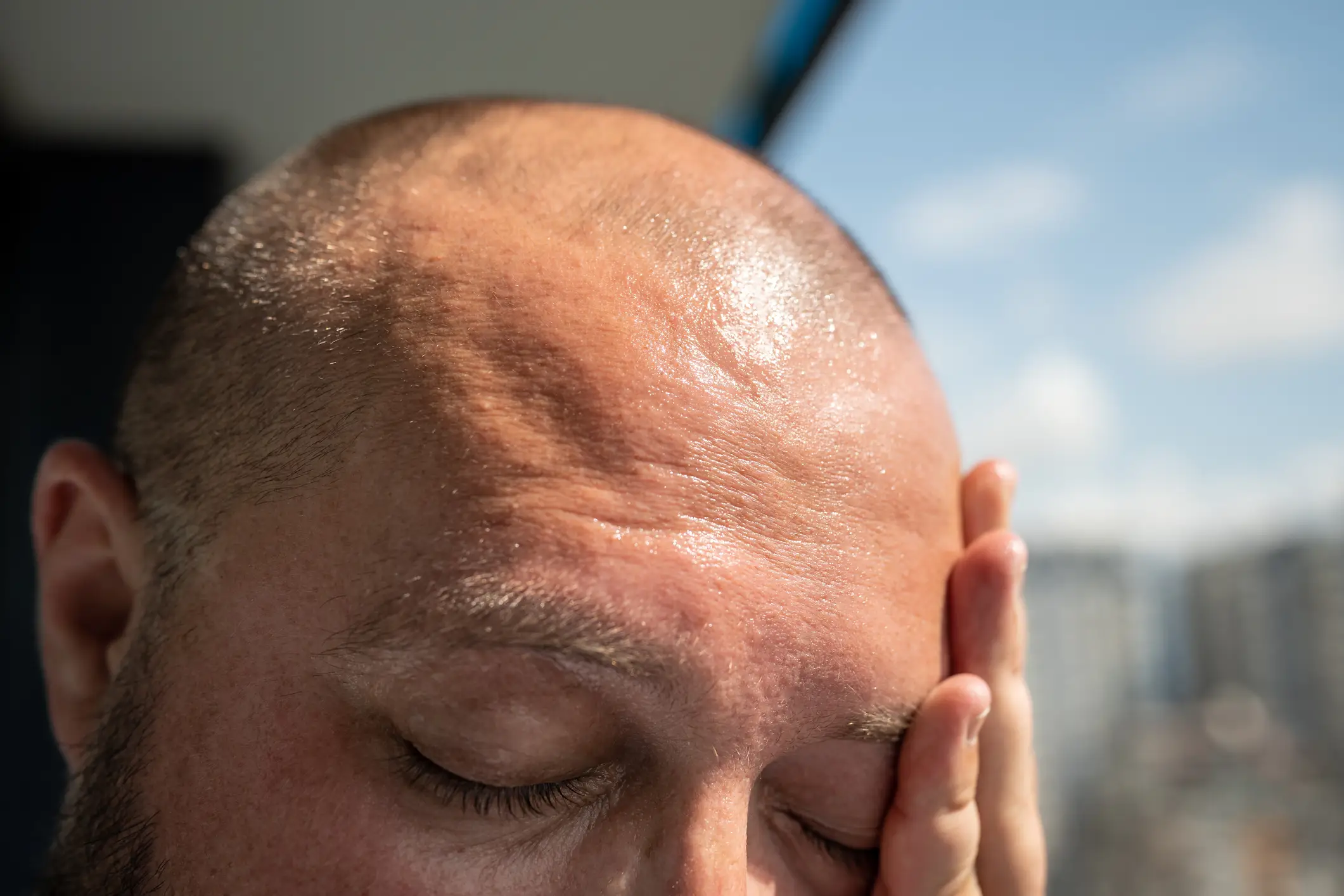
It goes back to one evolutionary theory of why humans have thicker hair on our heads, while hair is generally not as long or thick on most other parts of our body, unlike our evolutionary cousins like bonobos and chimpanzees whose bodies are covered in thick hair.
This is the scientific theory that we evolved to keep the thick hair on our heads to protect our heads from the sun, before we used the brain inside to invent hats, and Dr Balwi explained that anyone who goes bald no longer has this protective layer of hair on their head.
"A thinning or bald scalp is no longer protected from direct sunlight, and many men do not adjust their sun-protection habits as their hair loss progresses," he said.
He explained that he asks them about their skincare routine, including if and when they apply sunscreen or look at the skin under their hair.
"Quite often, the answer is that they use sunscreen only at the beach, have never applied it to the scalp and do not check their skin unless something hurts," he revealed.
"This is one of the reasons men may be more likely to develop skin cancer," he added. "Many of them do not think about daily sun exposure as something that accumulates."

Some examples of this that he gave included driving, and any outdoor activity including working, playing sports, gardening, or even just sitting outdoors.
"The skin does not distinguish between a beach holiday and an ordinary afternoon in the sun," he said.
Fortunately, he advised that it doesn't take much to look after your scalp health properly.
"Self-care does not need to involve a complicated routine," he said. "For a man with thinning hair, it should include applying sunscreen to the exposed scalp, wearing a hat that provides proper coverage and checking the scalp, ears and neck regularly."
He added: "Asking a partner to examine areas that are difficult to see can also make a significant difference."
You can find out more about Dr Abdulaziz Balwi's work on his website.
 Kit Roberts