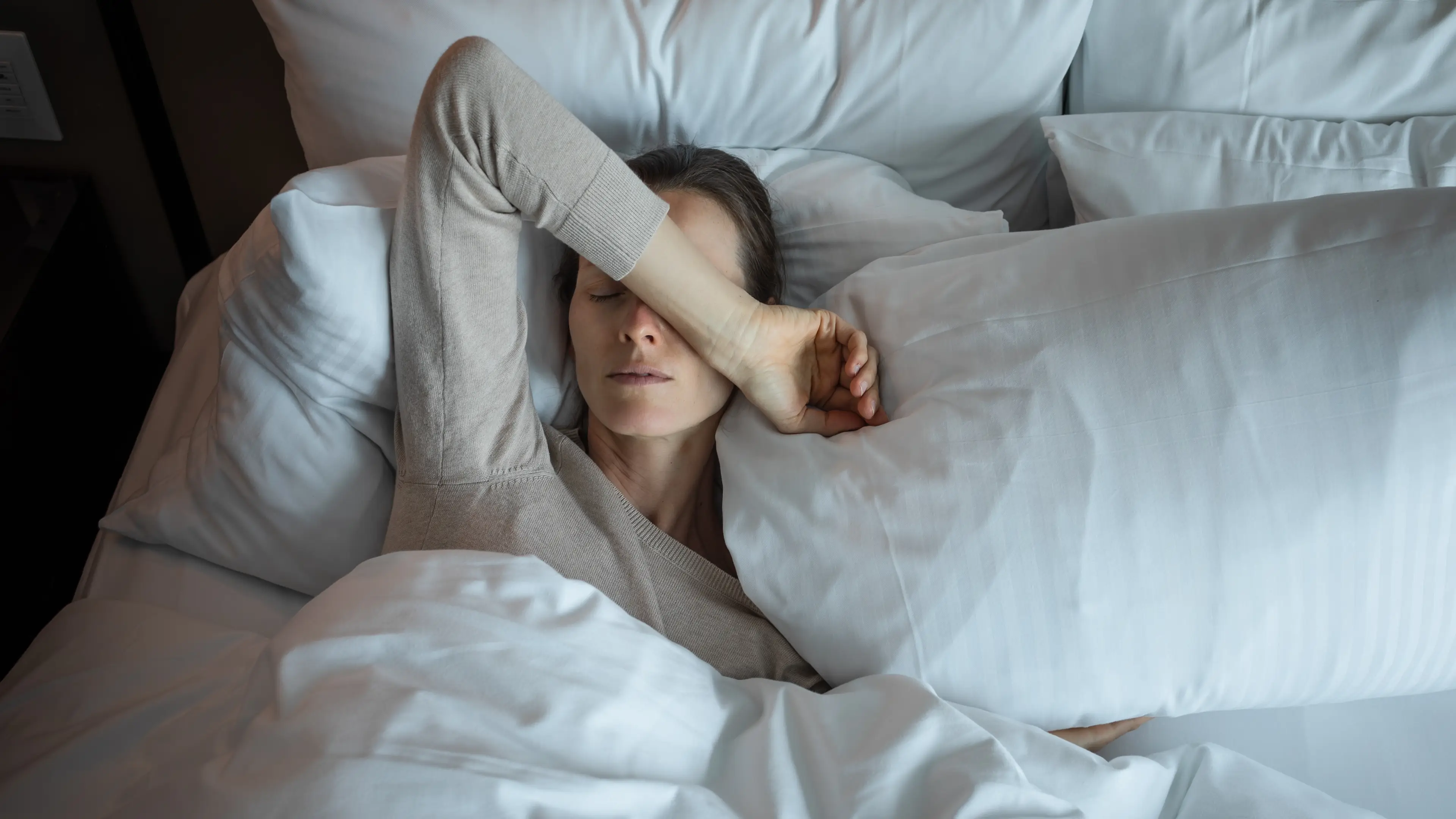
Five 'healthy' habits that may be sabotaging your sleep, according to expert

Millions of people could be unknowingly wrecking their own sleep, despite believing they're doing everything right.
Poor sleep and insomnia have been linked to a string of serious health conditions, including high blood pressure, heart disease, obesity and even cancer.
Now a new survey out of the UK has revealed just how widespread the problem really is, and the findings apply just as much on this side of the Atlantic.
The poll, commissioned by sleep technology firm Simba, found that almost one in five people (or 18 percent) struggle to fall asleep at least three times a week.
Advert
Researchers surveyed 1,000 people and discovered that 64 percent had at least one habit linked to poor sleep, ranging from drinking most of their fluids later in the day to consuming foods rich in B12 in the evening, or starting a new fitness regime.
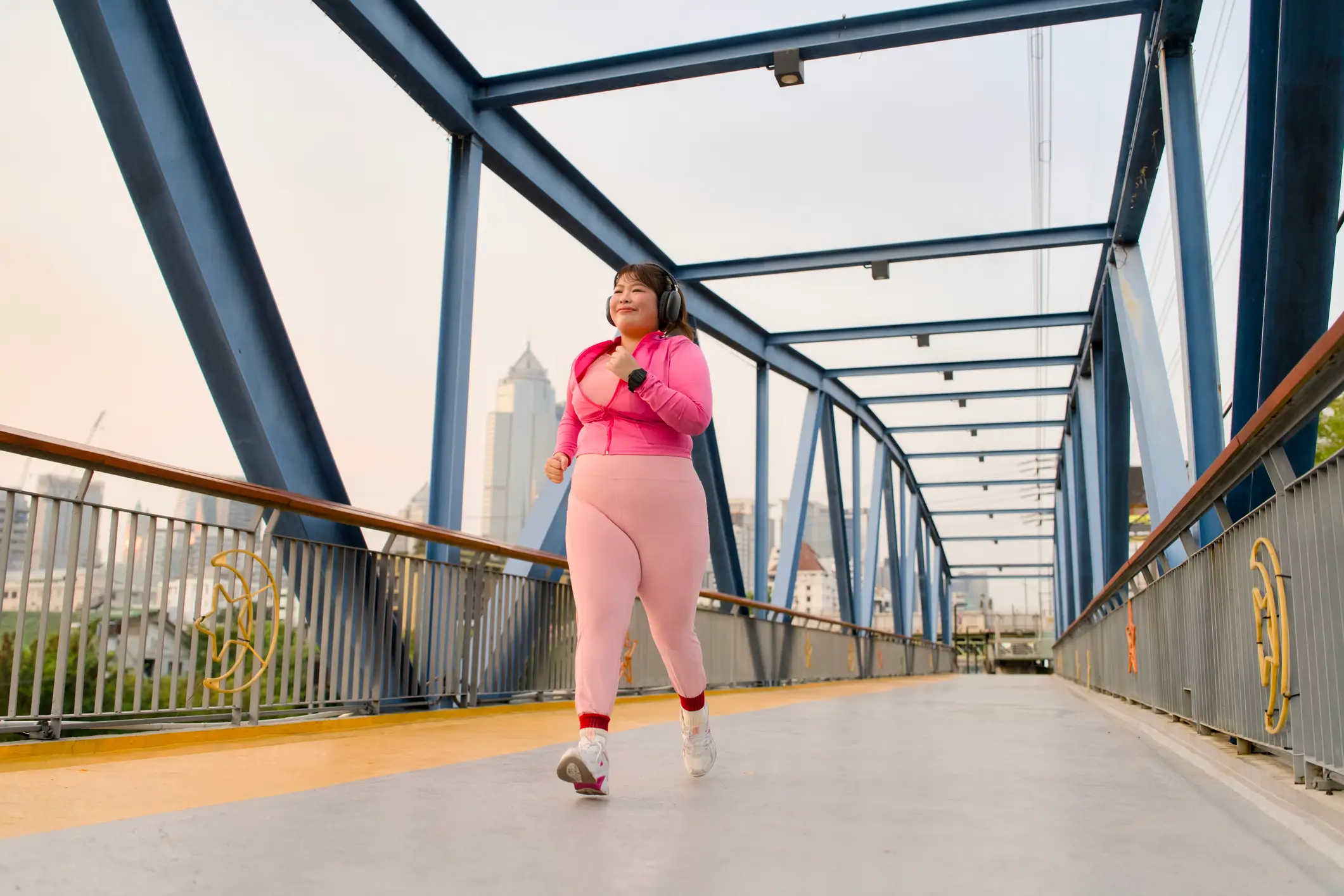
According to Lisa Artis, deputy chief executive of The Sleep Charity, several habits widely seen as healthy can have the opposite effect when done at the wrong time.
Speaking to the Daily Express, she explained, "some 'healthy' habits especially when they're done at the wrong time, can inadvertently disrupt your body's natural sleep rhythms."
Can exercise affect your sleep?
Exercise is one of the biggest offenders, Lisa said, particularly intense workouts done late in the day.
High-intensity sessions can push the heart rate into extreme training zones, leaving the body feeling wired even when it's physically exhausted. She recommended doing tougher workouts earlier in the day and sticking to gentle walking or stretching in the evening.
Supplements were also flagged as a hidden risk. Vitamin B12 is essential for nerve function and brain health, but high doses, particularly methylcobalamin, may act as a stimulant and disrupt sleep.
Calcium supplements can also interfere with the body's absorption of magnesium, a mineral linked to muscle relaxation.
Lisa suggested taking supplements in the morning or early afternoon instead.

Matcha, the increasingly popular "clean" energy drink, made the list too.
Despite feeling gentler than coffee, it still contains caffeine, and even small amounts consumed in the afternoon or evening can make it harder to switch off at night.
Simba's research found seven percent of people drink matcha in the afternoon, with one in 20 admitting to having it before bed.
The sleep environment itself was named as another factor. Light, heat, pressure points and poor airflow can all stop the nervous system from fully relaxing, even if you do manage to fall asleep.
Bedrooms should ideally be kept cool, between about 61 and 64 degrees Fahrenheit, dark and quiet, with bedding and a mattress that support temperature regulation and spinal alignment.

Finally, hydration timing was singled out as a common mistake. More than one in five people drink most of their water in the afternoon and evening, with 12 percent consuming more than a liter of fluids after 6pm.
Drinking too much too late can trigger repeated nighttime bathroom trips, disrupting the deep and REM sleep stages crucial for memory, mood and recovery.
Experts recommend front-loading hydration earlier in the day and cutting back on fluids in the 60 to 90 minutes before bed to help avoid disrupted sleep.
 Thomas Bamford