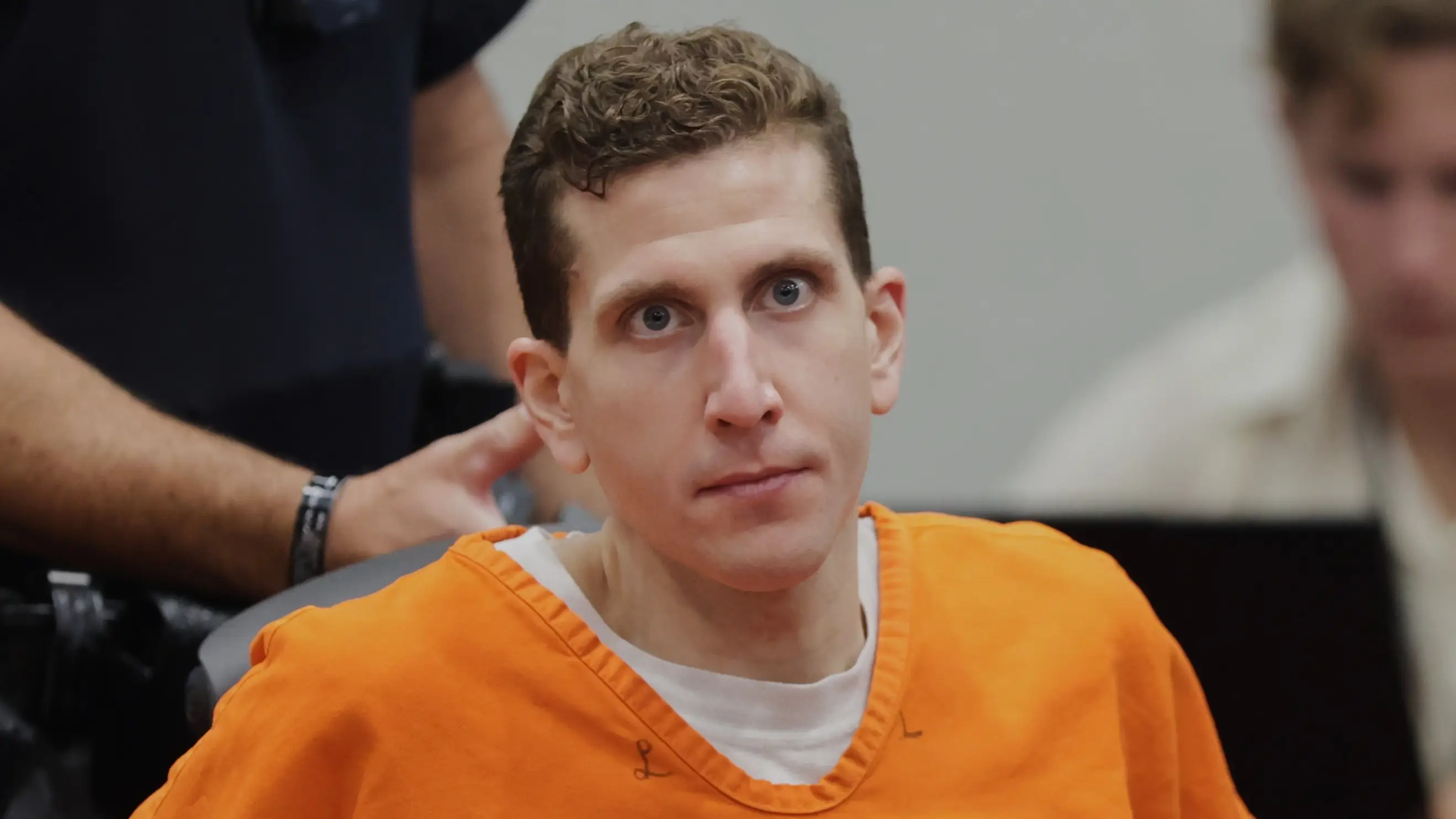
Bryan Kohberger psychological evaluation details killer's 8 mental health disorders

A comprehensive psychological evaluation of Bryan Kohberger has detailed the complex mental health history of the convicted killer, revealing diagnoses of eight separate psychiatric and neurological conditions.
The assessment provides the deepest insight yet into the mental state and developmental struggles of the former Washington State University criminology doctoral student, who was convicted of fatally stabbing University of Idaho students Madison Mogen, Kaylee Goncalves, Xana Kernodle, and Ethan Chapin in November 2022.
According to the evaluation and forensic reports, Kohberger's psychiatric profile includes long-standing diagnoses of severe major depressive disorder, persistent anxiety, autism spectrum traits, and chronic depersonalization-derealization disorder—a dissociative state in which an individual feels disconnected from their own body and surroundings.
As reported by PEOPLE, the evaluation was conducted by Dr. Rachel Lawson Orr, PsyD, ABPP-CN, a board-certified neuropsychologist hired by Kohberger’s defense team, with the records newly unsealed by the court.
Advert
In subsequent filings, Kohberger’s lead defense attorney, Anne Taylor, argued that the prosecution's attempt to classify her client's "mental health and developmental disabilities as aggravators" directly violated his constitutional rights by effectively "criminalizing his status as a disabled person."
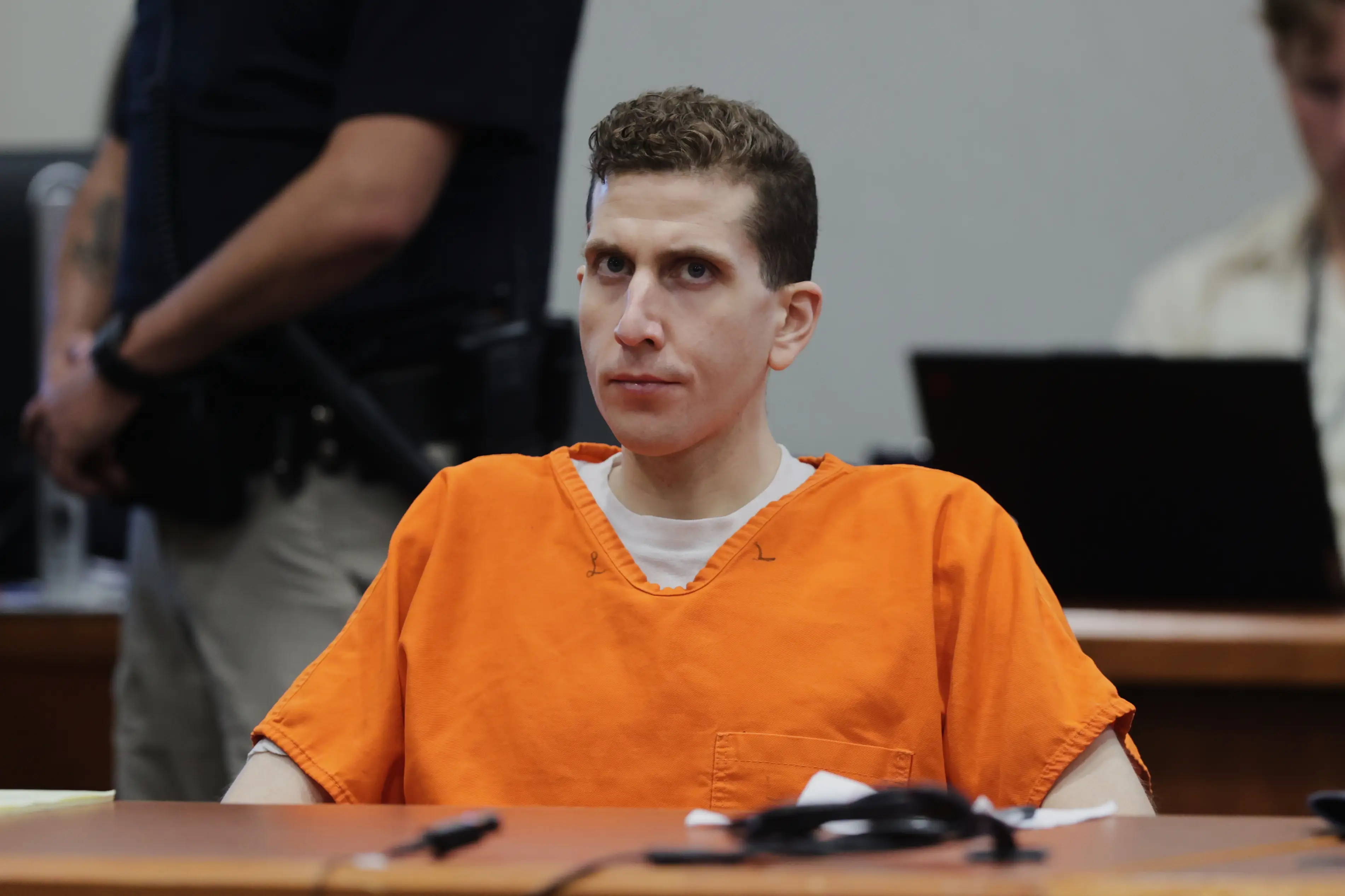
A History of Severe Dissociation and Sensory Symptoms
The unsealed records detail how Kohberger experienced intense psychological torment and social isolation dating back to his mid-adolescence, echoing findings previously highlighted by Psychology Today.
Among the key findings in his diagnostic history was a chronic battle with "visual snow" syndrome—a rare neurological condition where a person’s visual field is persistently clouded by static-like flickering. Past forum posts and medical records referenced in evaluations revealed that the condition exacerbated severe feelings of alienation, insomnia, and profound emotional numbness.
Dr. Orr also documented several atypical behavioral traits, noting a distinct lack of descriptive or emphatic gestures, irregular speech cadence, and awkward social interactions. The report further highlighted an inconsistent understanding and awkward delivery of humor.
Additionally, experts assessing Kohberger pointed to significant obsessive-compulsive traits, severe social anxiety, and difficulties with emotional reciprocity and peer bonding—factors that contributed to deep-seated resentment and progressive social withdrawal.
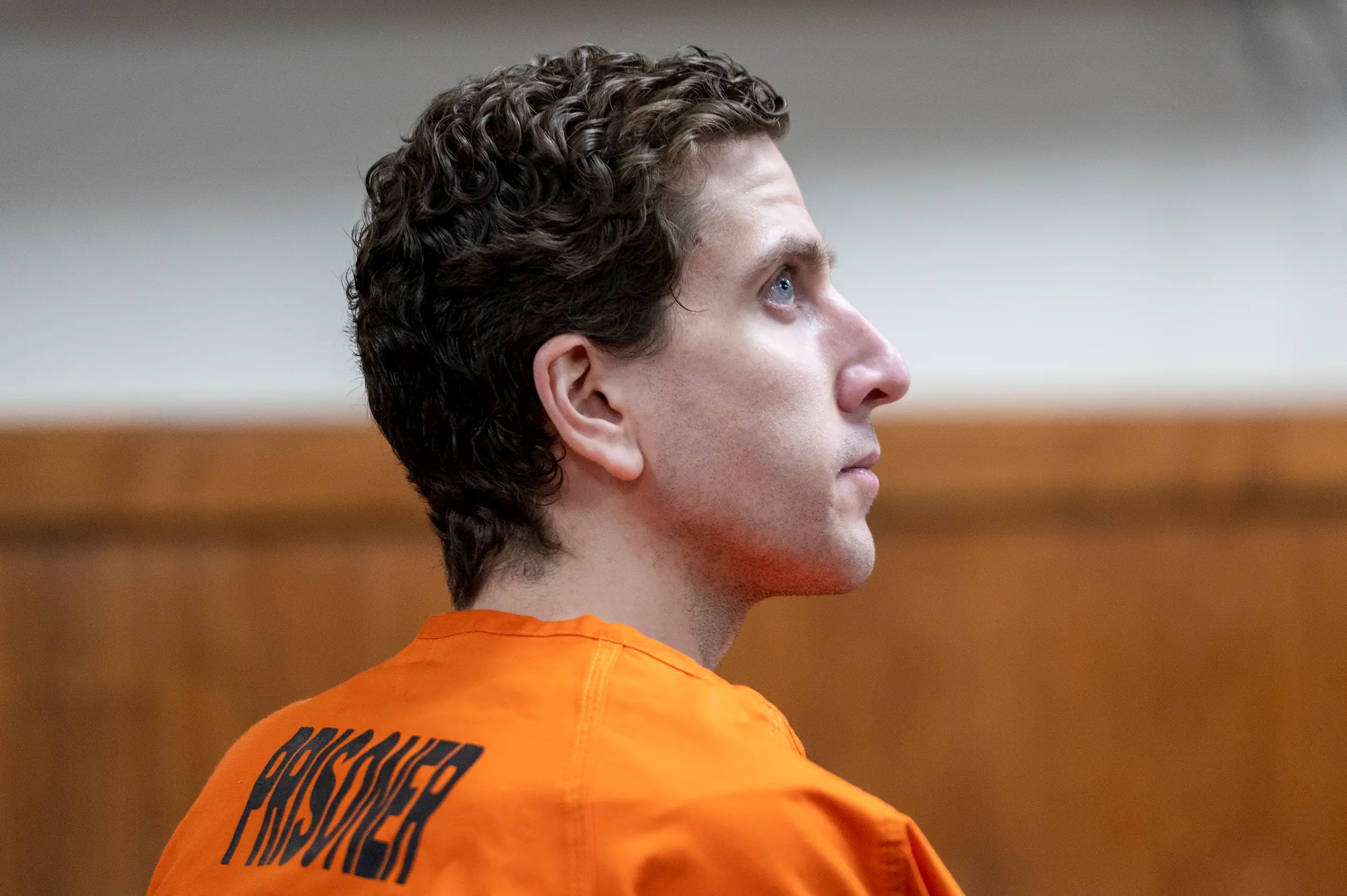
Legal Impact and Sentencing
While psychological evaluations frequently form a core component of defense mitigation strategies during capital proceedings to illustrate a defendant's internal struggles, mental health conditions do not absolve criminal responsibility under state law.
Throughout the legal proceedings, prosecutors emphasized that Kohberger's meticulous pre-planning, forensic precautions, and calculated actions demonstrated a clear, deliberate consciousness of guilt.
The unsealed psychiatric findings shed new light on the internal life of one of the nation's most closely followed criminal cases, providing clinicians and legal observers with a clearer picture of his behavioral trajectory leading up to the 2022 tragedy.
 Phoebe Tonks