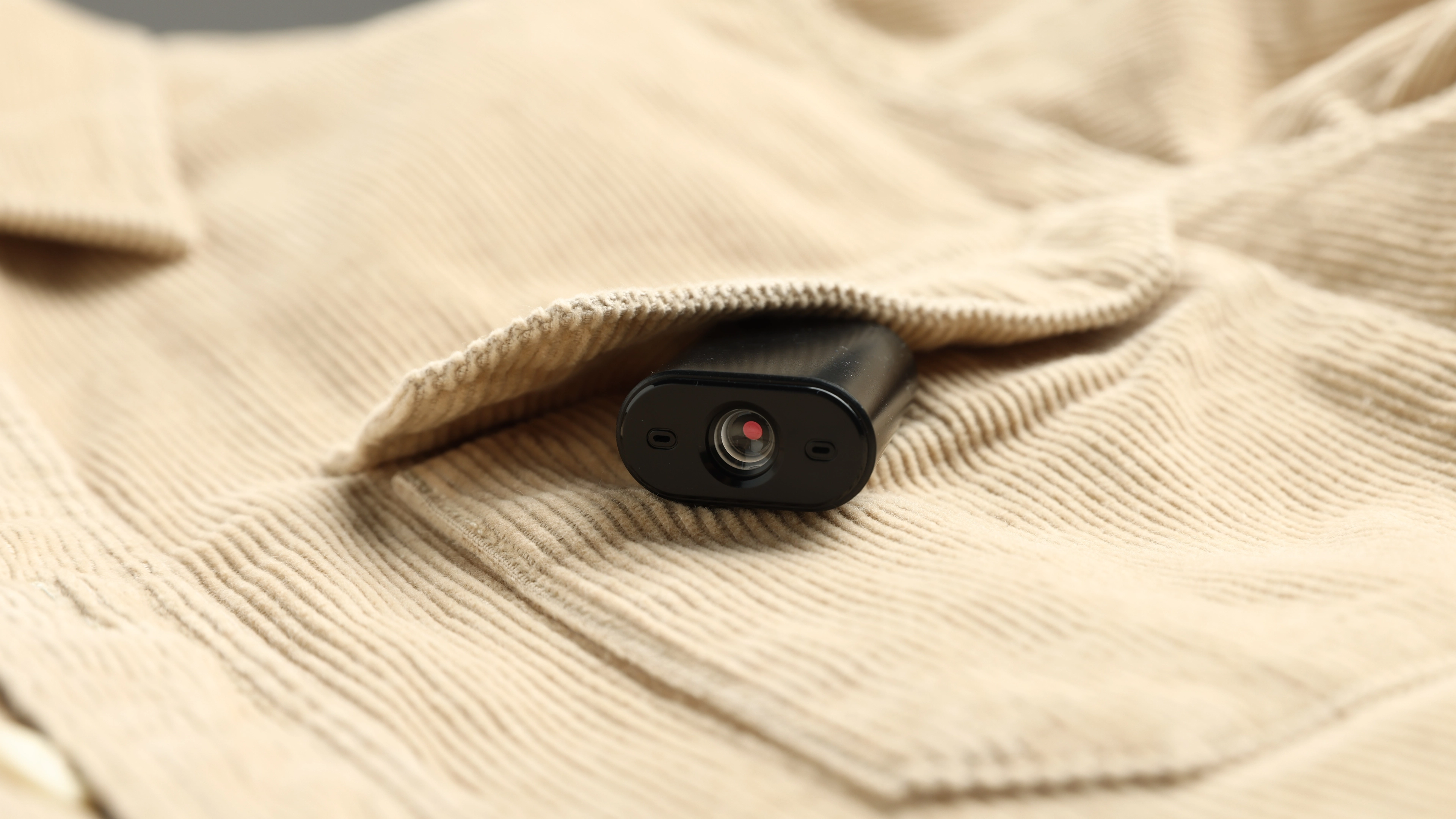
Private investigator names five places hidden trackers are most often found

A private investigator has revealed the five most common places tracking devices are discovered hidden among a person's belongings, warning that most people are checking the wrong spots entirely.
According to Google search data analyzed by British Lie Detector Test, searches for the term 'trackers' have jumped 81 percent in a year, while searches for 'AirTag' remain far higher still, sitting at 2.6 million searches a month, reflecting growing public awareness of the small Bluetooth devices that investigators say are increasingly being misused for stalking and coercive control.
Osman Ahmed, founder of British Lie Detector Test, said many people assume trackers will be planted somewhere obvious, like underneath a car, but that this is rarely where investigators actually find them.
"Most people immediately look underneath their car because that's what they've seen on social media or the news," Osman said. "But if somebody genuinely wants to know where you are every day, they'll often choose something that travels everywhere with you instead. Those are the trackers people miss."
Advert

Where are hidden trackers most commonly found?
Osman said the five places investigators most frequently discover hidden tracking devices are handbags and backpacks, coat pockets and jacket linings, children's pushchairs and school bags, vehicle storage compartments rather than underneath the car itself, and suitcases or travel bags, particularly after a trip.
He explained that the biggest misconception people hold is assuming they would immediately notice if they were being tracked.
"Modern tracking devices are incredibly small and inexpensive. Someone may unknowingly carry one around for days because nothing appears unusual," he said.
Often, he added, the first warning sign isn't finding the device itself, but "noticing someone unexpectedly appearing where you are, or receiving an unfamiliar notification on your phone that gets ignored."

Can your phone actually detect a hidden tracker?
Apple devices are designed to automatically alert users if an unknown AirTag appears to be traveling with them over an extended period.
Android devices offer similar unwanted tracker detection, though Osman noted that compatibility depends on the phone's manufacturer and software version, meaning some Android users may receive different alerts, or none at all, if their device isn't fully up to date.
"I wouldn't rely entirely on technology to protect you," Osman said. "Phone alerts are an excellent safety feature, but they're only one layer of protection. Being aware of your surroundings and checking your belongings remains just as important."
Osman also warned against a common reaction people have when they do find a tracker.
"People often throw the tracker away immediately because they're frightened," he said.
"But if somebody has deliberately placed that device on your property or belongings without your consent, it could become important evidence."
He recommends photographing where the device was found, avoiding unnecessary handling, and reporting it to police rather than disposing of it.
Osman stressed the devices themselves aren't inherently harmful, noting they help 'millions of people locate lost keys, luggage and valuables every day'.
The concern, he said, is that they are becoming 'cheaper, smaller and more accessible', making public awareness one of the best available forms of protection.
Topics: Crime, News, Technology
 Thomas Bamford