Crime scene investigator reveals the biggest mistake murderers make including how most get caught

A forensic scientist has revealed some of the biggest mistakes murderers make after committing a crime.
If you are someone who consumes a lot of true crime content, then you'd be familiar with the shocking lengths that some killers go to avoid detection.
But while documentaries and crime procedural TV shows might make finding obvious clues a bit harder than it looks, an expert says it is often simpler than it seems.
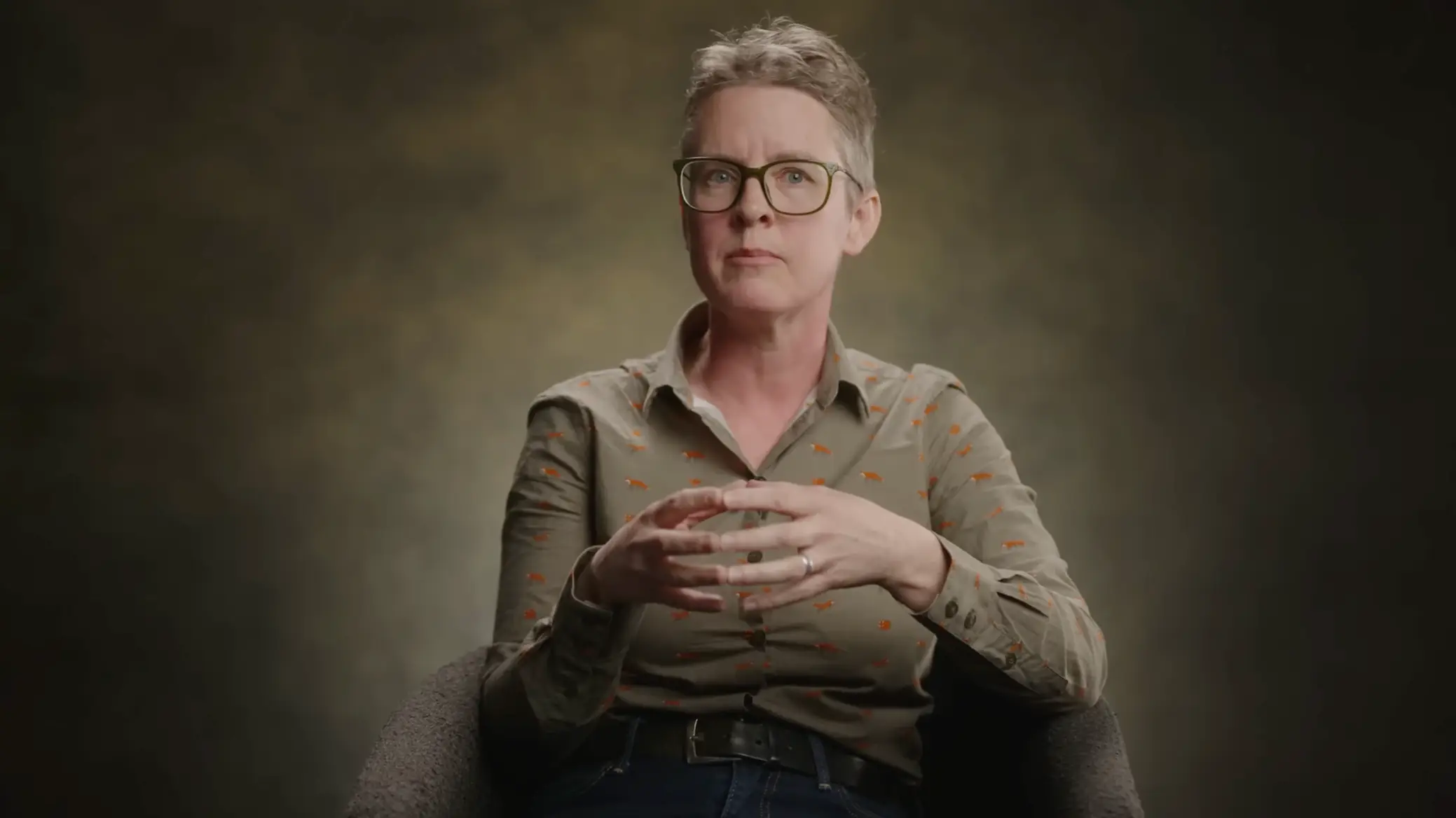
Crime scene investigator Jo Millington is a forensic scientist with 25 years of experience, specialising in blood pattern analysis (BPA).
Advert
According to Principal Forensic Services (PFS), Millington has been 'involved in the forensic investigation of hundreds of major and critical incidents', including some of the UK's most horrific cases, such as the London 7/7 bombings in 2005.
In a conversation with LADbible, she discussed her experience on crime scenes, as well as some of the mistakes killers make, which lead to their identification.
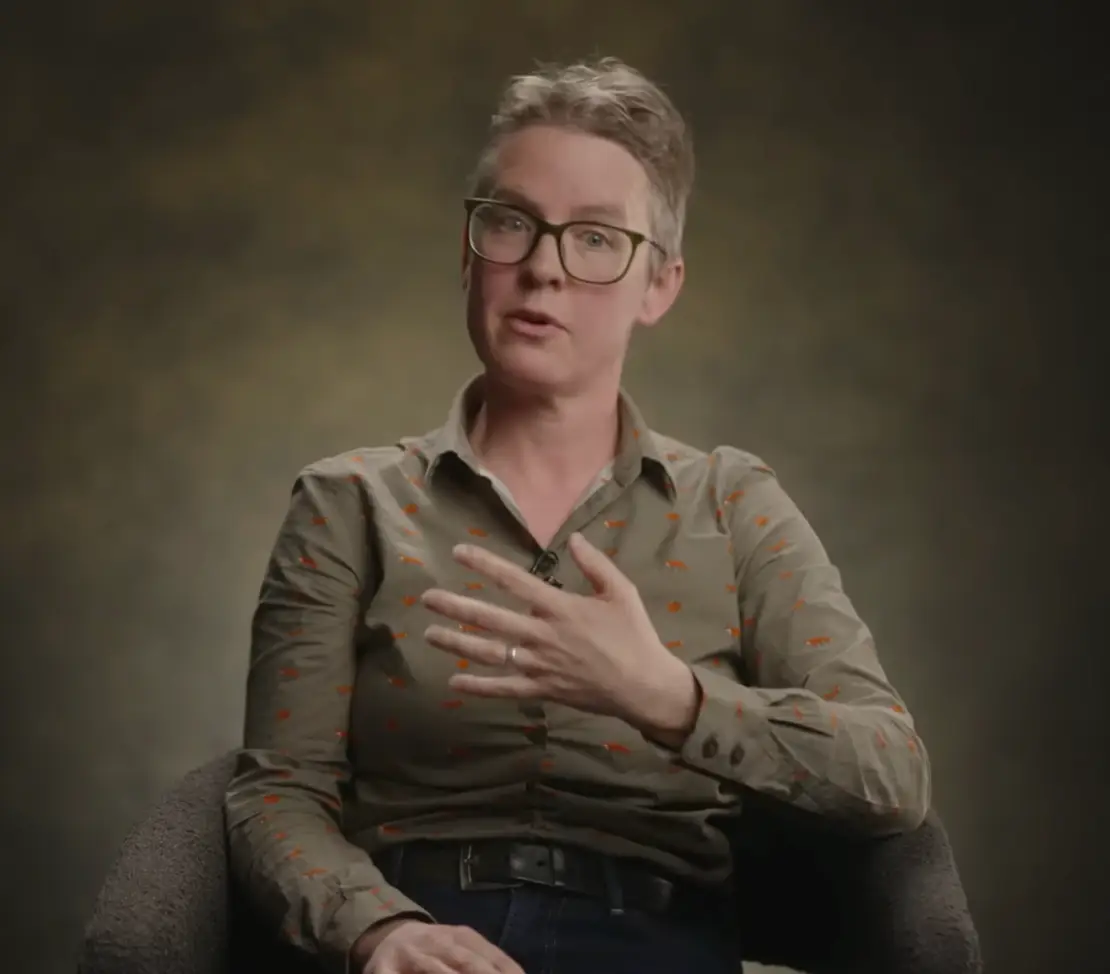
She said that while killers often 'go to quite extreme efforts' to hide any evidence, technology has made things way easier.
"We've got technology up the wazoo to detect crime, to understand what people have done [and] to detect trace amounts of evidence," Millington told LADbible.
"They [perpetrators] go to quite extreme efforts sometimes to get rid of the evidence."
However, she went on to explain that it's 'impossible' to completely cover your tracks after committing a crime, as 'every contact leaves a trace'.
When it comes to the mistakes criminals often make, you might think it’s a stray strand of hair or the outline of a footprint, right… think again.
"They forget that they're leaving traces of themselves on every surface that they touch," Millington explained. "We've known about fingerprints for centuries, and yet it's probably one of the main ways in which people are identified.
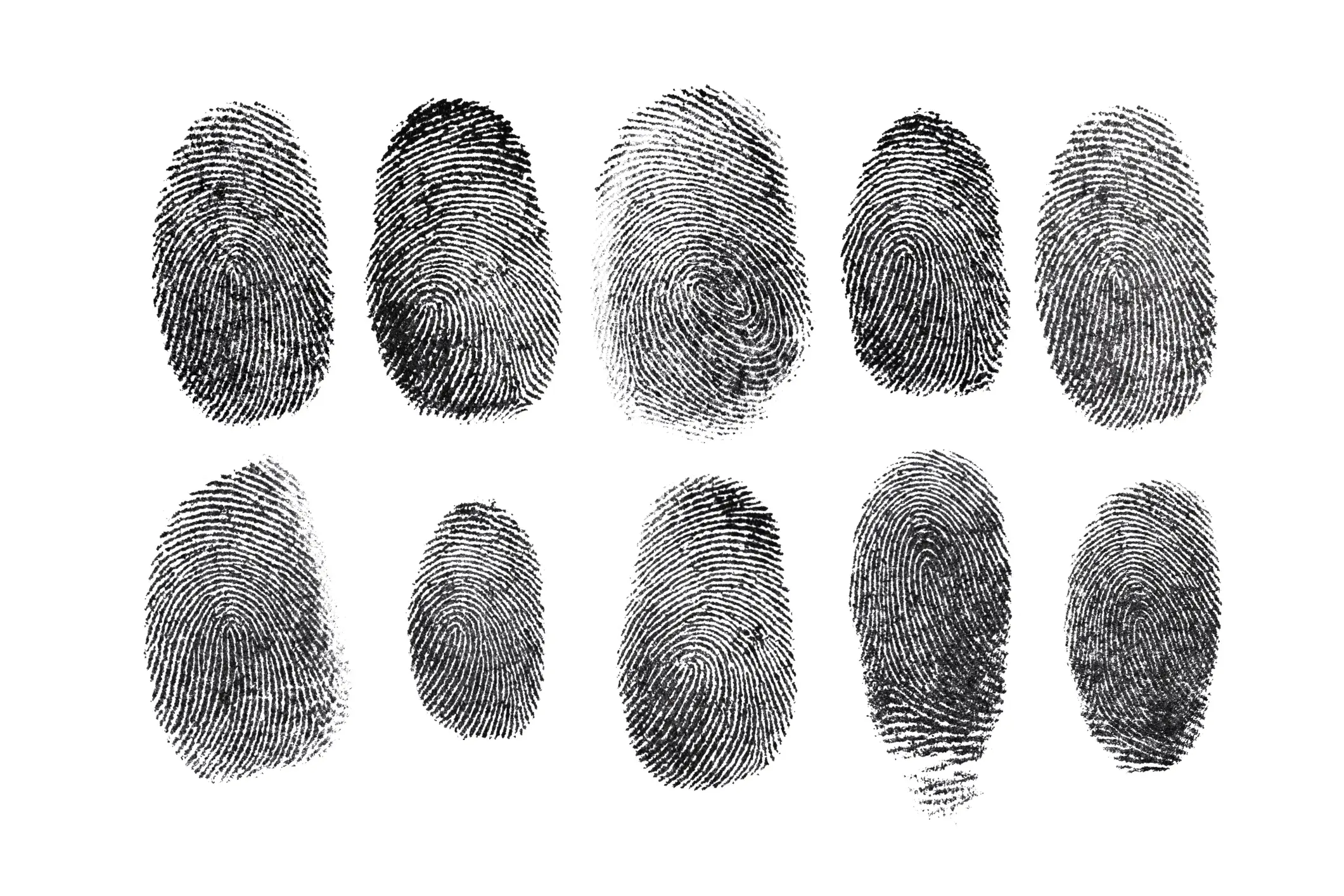
"You kind of think to yourself, 'how did you forget that you leave fingerprints?'"
Millington went on to share one particular case where she was able to identify a murderer after he chose to leave behind a message which he had hand-written in the victim's blood.
"The perpetrator had taken the blood of his victim and he'd written a really horrible word on the wall and then done an exclamation point," she said, adding that the point contained his fingerprint 'in the blood of the victim'.
"You kind of think to yourself, 'what an idiot'," she added. "I mean, seriously, did you not think that was going to lead to your detection?
"Don't underestimate forensic science."
Elsewhere in the interview, Millington also shared the most shocking crime case she'd ever witnessed.
In a case she called 'the brain one', Millington visited the crime scene in East London with a colleague. The suspect was a 'really troubled individual', according to Millington, who said he was 'seriously mentally ill'.
He had been on a day release from the facility he was staying at when he killed a man that he had befriended after going back to his flat.
"And in the aftermath of that, he'd dismembered his body and then he took his brain, and he cooked it up in a frying pan," she said.
"I mean, what can you say about that? I mean, that's just absolutely catastrophic."
Topics: True crime, Science, Crime
 Gregory Robinson