Super El Niño could collapse in 2027 as scientists warn La Niña is set to take over

Scientists have warned La Niña is set to take over in 2027 as the Super El Niño could collapse.
El Niño is part of a naturally occurring climate cycle called the El Niño Southern Oscillation, which swings between hot and cold phases once every two to seven years.
Water builds up near the surface of the central and eastern tropical Pacific, releasing vast amounts of heat into the atmosphere during the warm phase.
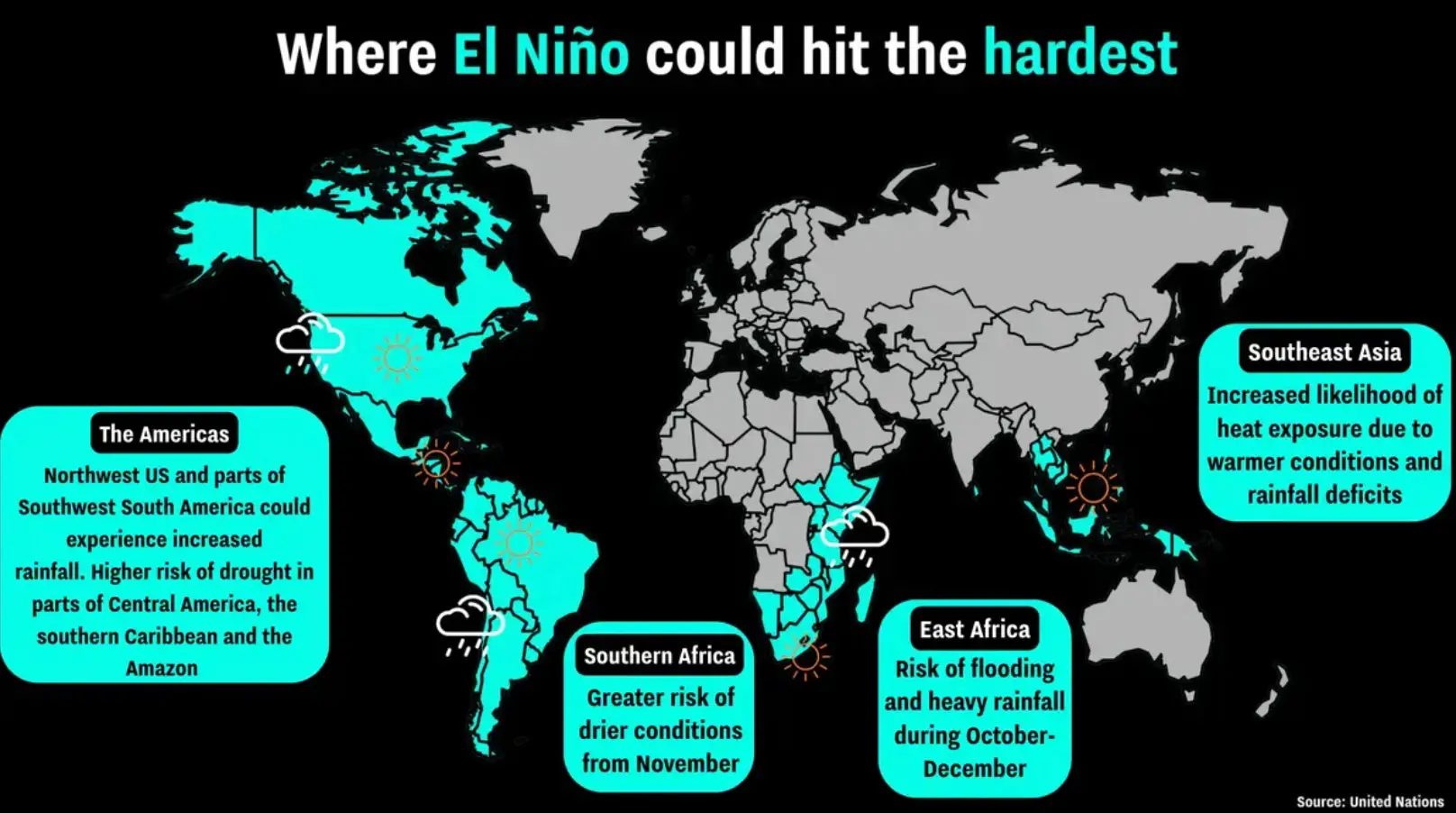
Weather patterns and temperatures across the globe alter, while wildlife could also be hard hit by the changes.
Advert
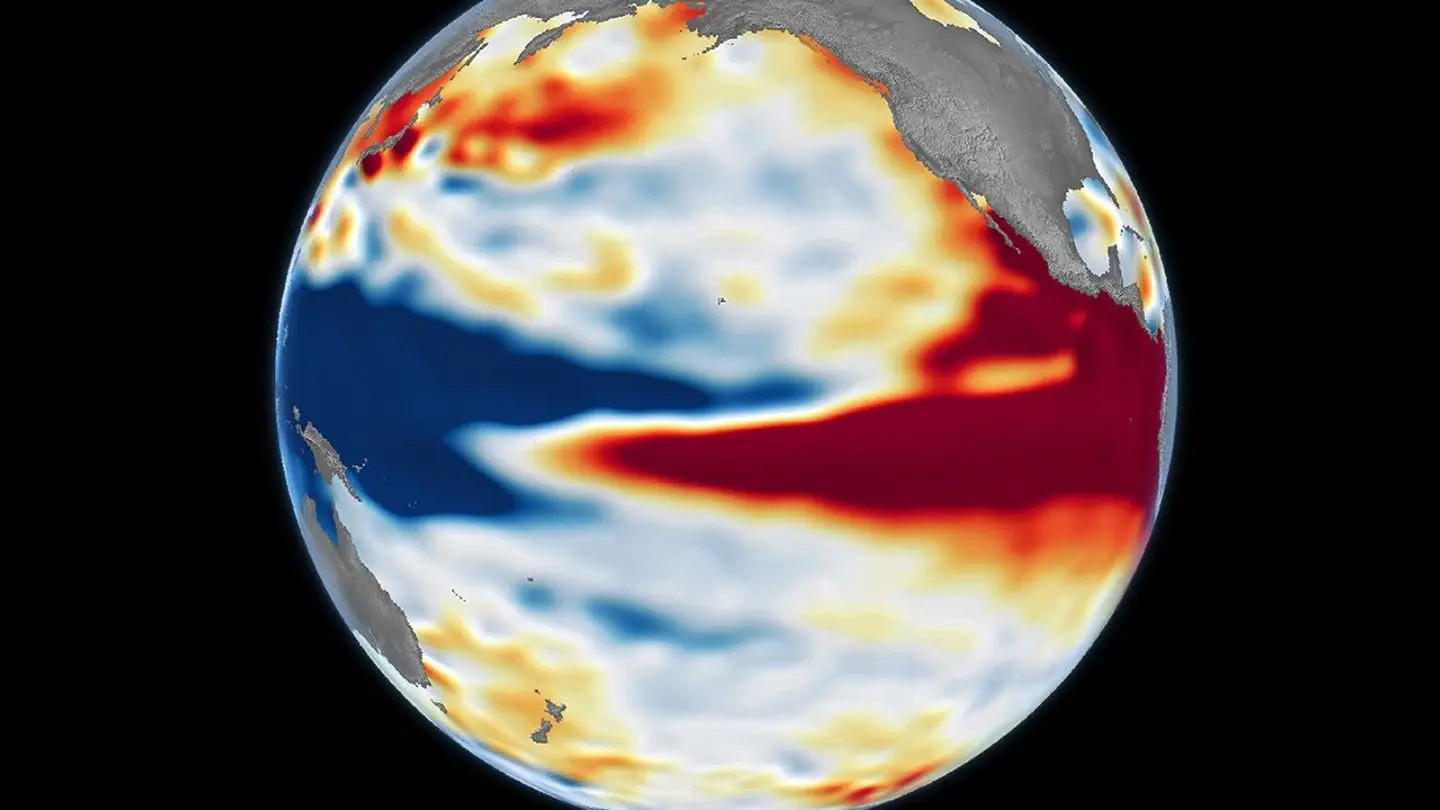
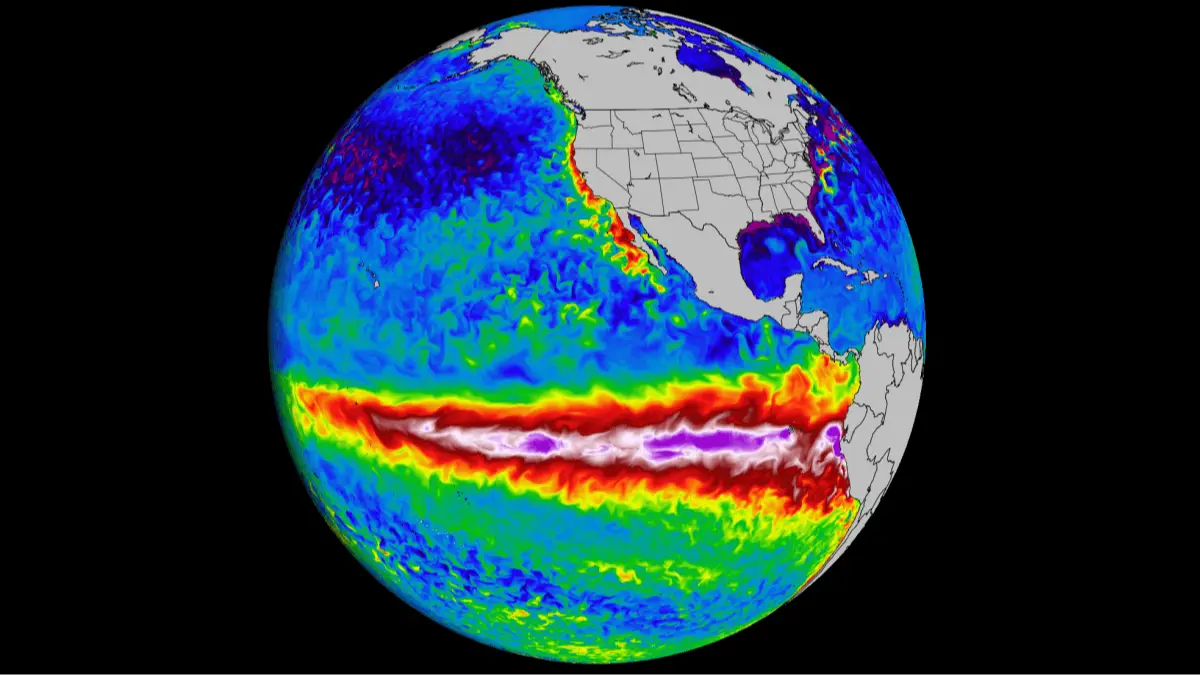
Experts say the Super El Niño is close to its peak in the tropical Pacific and is at a record strength in latest ocean data.
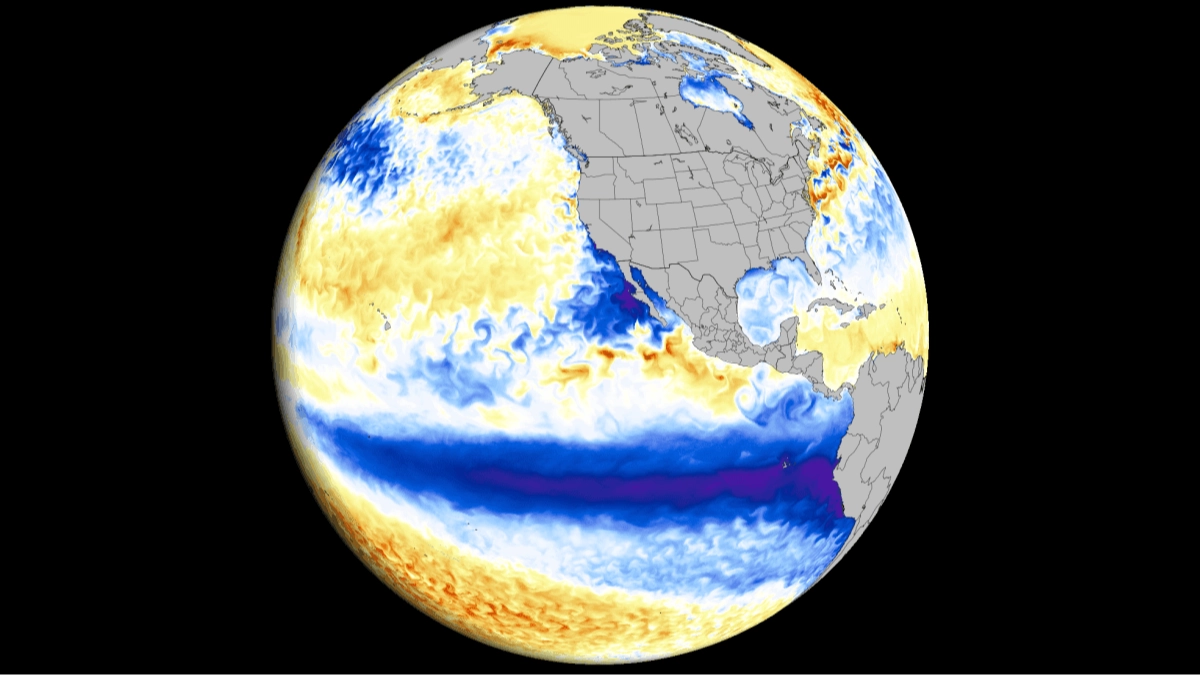
Recently released long-term forecasts suggest a rapid collapse of the Super El Niño in 2027, which is set to be replaced by La Niña.
The weather event is the opposite to the above phenomenon, and instead occurs ‘when oceans become cooler than usual'.
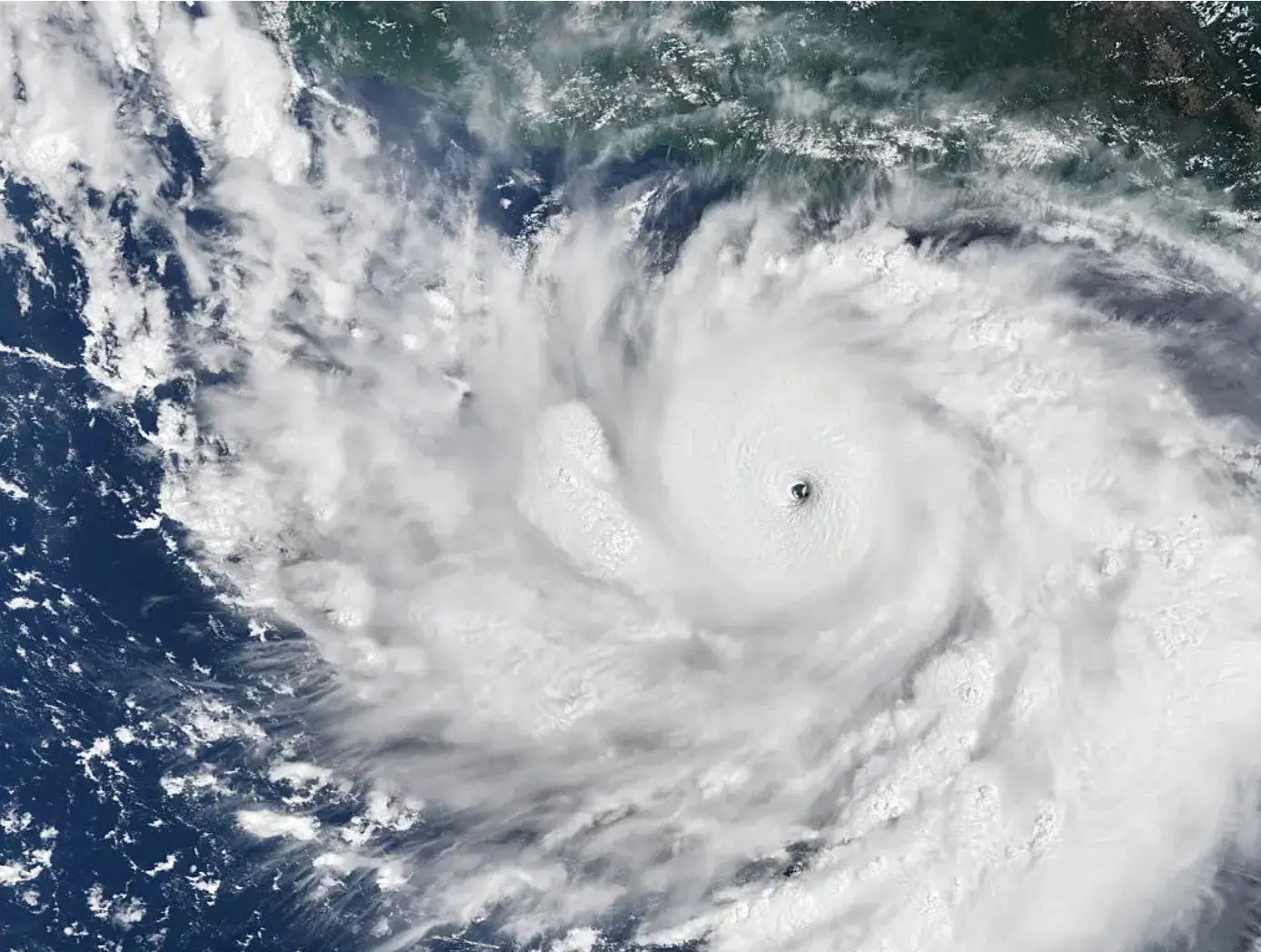
The shift could well see a cold anomaly emerging in the west because of strong wind bursts over the region.
Scientists say the burst will push the warmer waters from west to east, which will lead to colder and deeper water replacing it on the surface.
Models analysed by Severe Weather show a 'strong broader cold anomaly below the surface, with only a shallow layer of weak warmth left in the east'.
Such pattern is the typical look of a La Niña phase onset, according to the website.
The website adds: "Looking also at other extended forecasts, the experimental NOAA PSL probabilistic ENSO forecast also shows a high chance of a La Niña emerging for the 2027/2028 season, also agreeing on the timing with my model, and on the high probability of a La Niña shift."
What also goes in favour of this prediction is that all four previous Super El Niño events, in 1972/73, 1982/83, 1997/98, and 2015/16, were followed by the La Niña phenomenon the following winter.
La Niña typically follows a Super El Niño because the heat built up from the latter is pushed away from the equator at its peak.
Its replaced by colder water from below that pushes towards the service.
To put it simply, the stronger the El Niño, the bigger the heat loss and the quicker La Niña commences.
Topics: Climate Change, El Niño
 Callum Jones