Doctor shares how to protect yourself from El Niño's extreme heat as 450,000 deaths estimated

A doctor has issued some key advice on how to stay safe as people in certain parts of globe brace themselves for extreme temperatures.
A recent report detailed the devastating impact El Niño might have on people in the coming months and how hundreds of thousands of people are expected to die.
Climate scientists from the University of Chicago put together the report that estimated that over 450,000 people will die between June 2026 and February 2027.
Michael Greenstone, a co-founder of the Climate Impact Lab and the Milton Friedman Distinguished Service Professor in Economics at the University of Chicago, said of the harrowing findings in the report: "We have long been able to predict the impacts of temperatures on crops, and now we can predict their impact on the worst outcome—death. The result is that we now can estimate that 451,000 people may die in the coming months due to El Niño.
Advert
"This is such a large number that it can be numbing, but it is made up of parents and children, grandparents and neighbors, people going to work, caring for families, and living their lives."
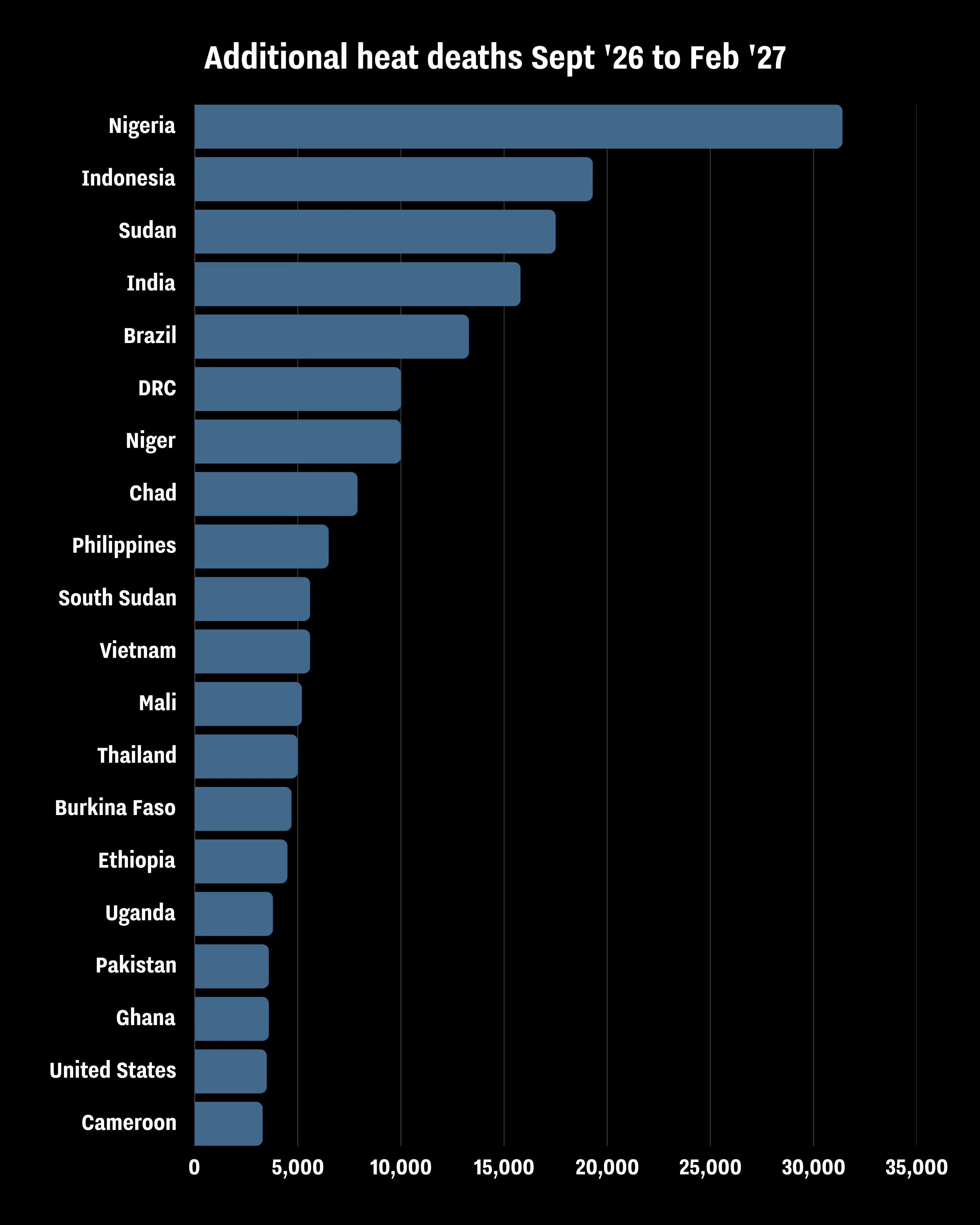
Nigeria is expected to be one of the worst impacted countries, as well as Indonensia, Sudan, and India.
Now Dr Donald Grant, GP and Senior Clinical Advisor at The Independent Pharmacy, has shared how people can keep themselves safe during extremely warm weather.
"Heat is one of the most dangerous forms of extreme weather, but it doesn't get the same attention as floods or storms because the harm is often less visible," Dr Grant told UNILAD, adding: "Most heat-related deaths happen quietly, when the body simply can't cool itself down fast enough, but many of them are preventable with the right precautions."
How to stay safe
He continued: "When it comes to staying safe in the heat, the basics really do make the biggest difference. It’s incredibly important to drink water regularly throughout the day rather than waiting until you're thirsty, and to cut back on alcohol, which dehydrates you faster.
"I also recommend staying out of the sun during the hottest part of the day, usually late morning to mid-afternoon, and wearing loose, light-coloured clothing.
“Some common medicines can affect how the body copes with heat. Diuretics, certain blood pressure tablets, some antidepressants and antihistamines can make dehydration more likely or interfere with sweating.
"Don't stop taking anything, but if you're going somewhere very hot, it's worth asking your doctor or pharmacist whether you need to take any extra care."

Symptoms of heat exhaustion
Dr Grant went on to warn about heat exhaustion, which can be fatal if it turns into heatstroke.
He explained: "Heat exhaustion can come on gradually, with headaches, dizziness, nausea, heavy sweating, cramps and feeling unusually tired.
"If you notice these, move somewhere cool, drink water, and cool your skin with a damp cloth or a fan.
"If the person becomes confused, stops sweating, has a seizure or doesn't improve within 30 minutes, that could be heatstroke, which is a medical emergency and should be treated as such."
Topics: El Niño, Health, Weather, World News
 Niamh Shackleton