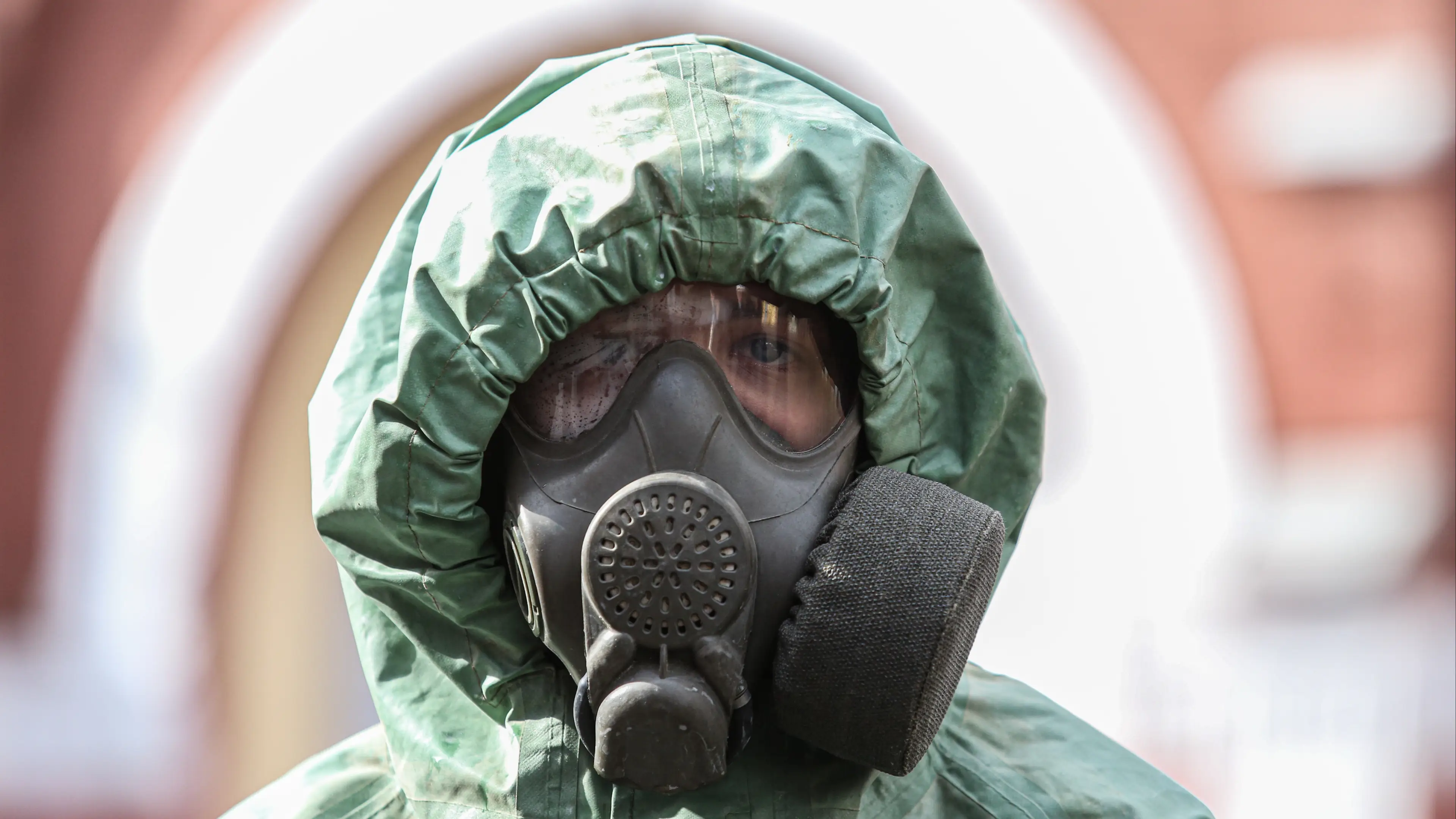
Experts warn suspected Russian plague case could spread worldwide if confirmed

Experts have warned that, if confirmed, the suspected Russian plague case could quickly spread to the outside world from its current location in Siberia.
Lab worker Daria Shipilova is reported to have died after falling seriously ill following a lab accident that may have exposed her to deadly pneumonic plague.
Russian media reports allegations that Daria may have come into contact with deadly bacteria, related to the bubonic plague which killed millions in the Middle Ages, after a test tube was smashed in her lab.
However, Russia's national public health agency, Rospotrebnadzor denies this version of events – instead pointing to her having died from ‘pneumonia of unknown aetiology.’
Advert
What is not denied is the huge lockdown enforced by authorities over hospitals and 190 people close to the site of Daria’s death.

Pneumonic plague infects the lungs of its victims and can be passed from human-to-human contact. It is treatable with antibiotics if caught early enough.
Dr Andrew Weber, who previously worked at the US Department of Defense and had travelled across the laboratories of the former Soviet Union, told The US Sun, “If it’s pneumonic plague, which spreads through the air, it could spread pretty quickly.”
He added, “If I were a public health authority in London, I would be monitoring flights and passengers coming from the region and screening them at the airport.”
The country of Kyrgyzstan had tightened travelling restrictions on Russia following the incident, as had Kazakhstan and Mongolia, reports The US Sun.
Weber explained how Russia has used brutal lockdowns to crush outbreaks in the past.
“In typical Soviet-style fashion, they are very good at quarantine,” he said.
“They isolate people in hospitals to make sure whatever caused her death doesn’t spread further.”
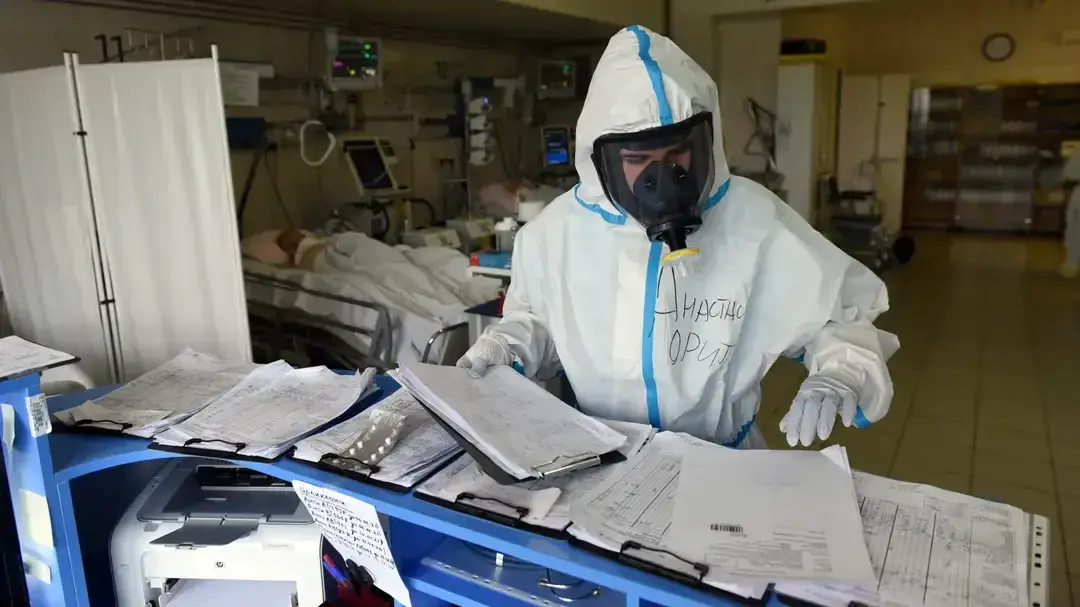
He added: “Because they are an authoritarian state, their ability to quarantine is much better than in the democratic world.”
Weber explained how Putin’s regime inherited the Soviet Union’s practices of searching for samples of deadly diseases to study in labs.
Weber said: “They did a lot of work collecting strains from rodents and fleas, enhancing antibiotic resistance, selecting strains resistant to multiple antibiotics, and enhancing virulence.
“Those most dangerous strains were fed into the Soviet biological weapons program.”
However, what is most disturbing, according to Weber, is Russia’s handling of the communication in relation to the plague reports.
He said: “The lack of information is very disturbing.”
He added: “Putin is a habitual liar and they cover up things that make them look bad. So it wouldn’t surprise me that this is sort of normal procedure…”
Officials in Baikalsk issued a health warning following reports of the infection, but this was later removed, states the report.
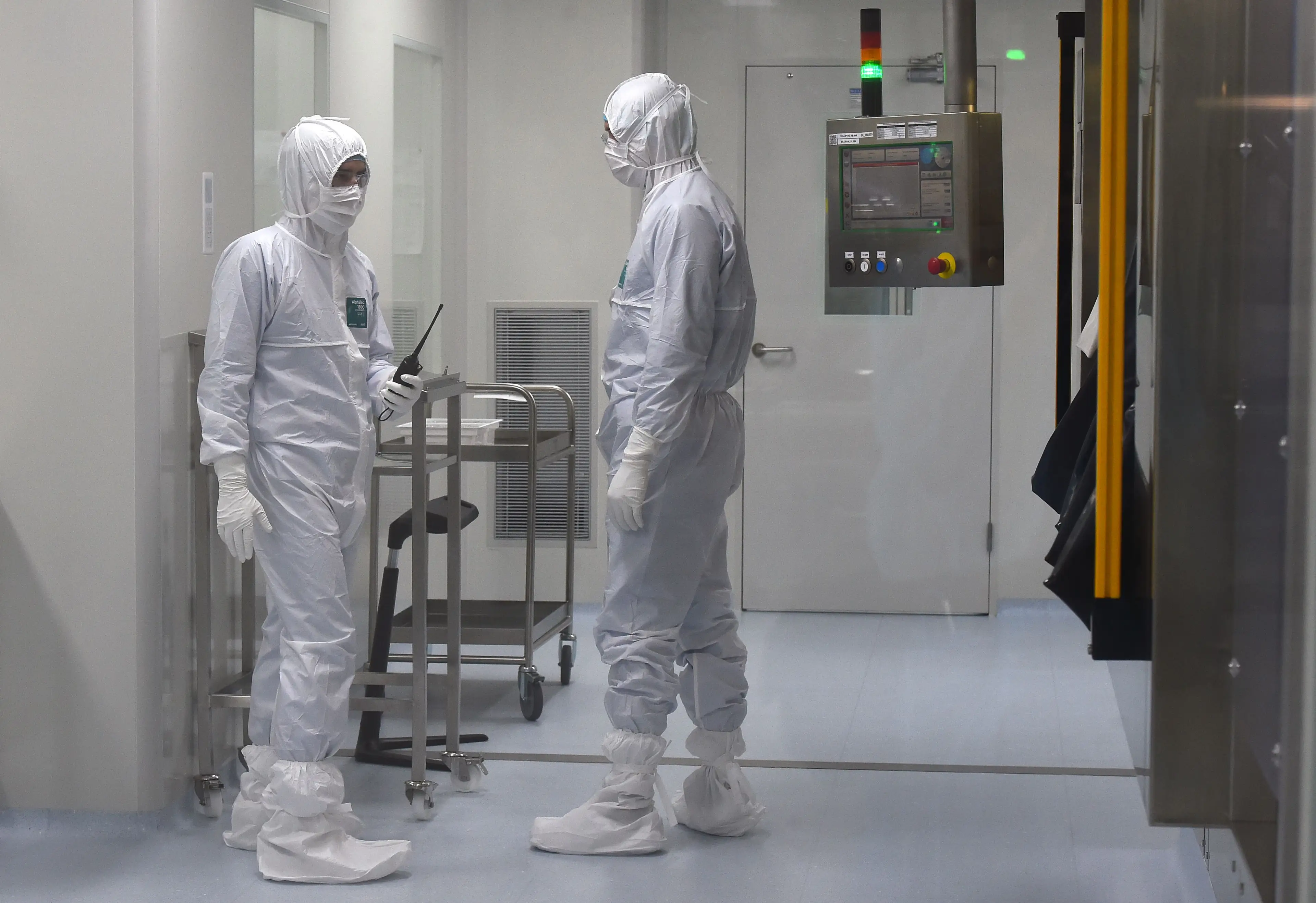
Neighbouring Buryatia's governor, Alexey Tsydenov, confirmed Daria died of plague - then edited his post to ‘may have died of plague’.
Anna Popova, Russia’s state sanitary doctor, flew to the region after news of the case was reported, however she has not so far explained the emergency measures that have been put in place in response, according to Russian media.
Russia’s health agency, Rospotrebnadzor, has stated it found no evidence to suggest Daria was infected by bacteria linked to her work.
Head of biomedical studies at Reading University Simon Clarke is reported to have said of the Russian response: “They cover it up because they’re embarrassed.
“It looks bad, it looks amateur, not something that happens in a properly developed nation.”
US Secretary of State Marco Rubio said: “We’re watching and monitoring it closely” and President Donald Trump has offered the assistance of the US.
"We'll help them, we'll help them as much as we can," Trump said.
Topics: Russia
 Michael D. Carroll