White House speaks out as pneumonic plague outbreak warning issued over suspected death of lab worker

The White House has spoken out after a woman in Russia is believed to have died from a suspected pneumonic plague outbreak.
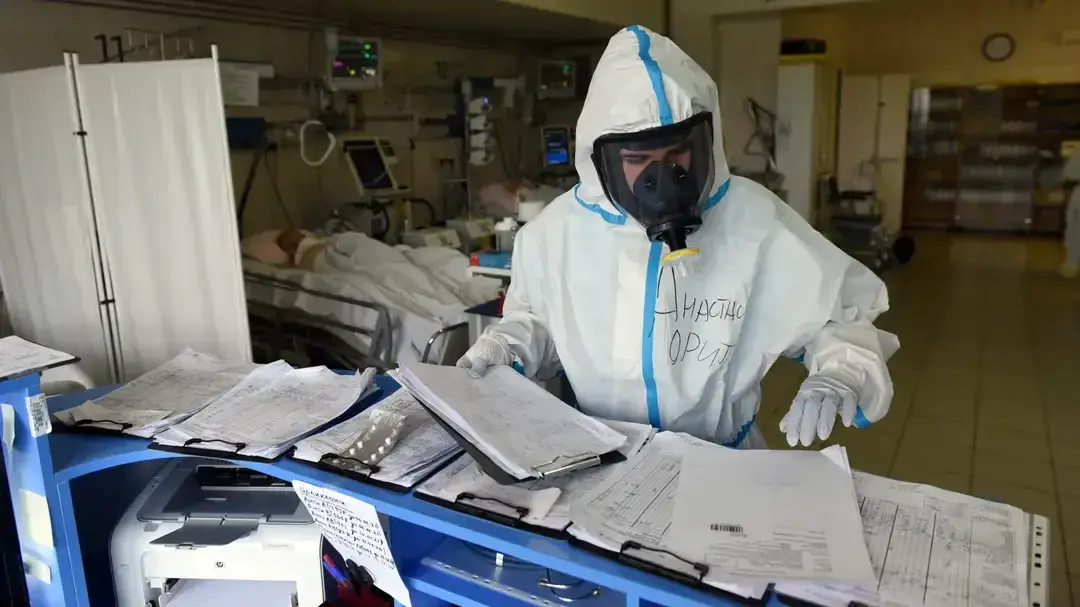
189 people are currently in quarantine following the suspected outbreak, and Russian officials have confirmed a 'full range of anti-epidemic measures' following the death of 28-year-old Daria Shipilova.
Authorities have identified 197 people who potentially came in contact with the woman.
The Trump administration is now on 'aware, monitoring the outbreak, and assessing options,' White House officials told Axios.
Advert
The pneumonic plague infects the lungs and can spread between people through respiratory droplets.
It has not been confirmed exactly how the 28-year-old may have contracted the disease, although Russian media have reported that the woman 'broke a test tube' on September 25.

She was admitted to hospital with severe pneumonia on September 29 and was placed on a ventilator. However, she died just two days later.
The people she came into contact with are now being monitored, and three hospitals around the region have been placed under secure measures.
These measures are a set of actions used to prevent, control, and eliminate infectious disease outbreaks.
Plague cases in the US are rare
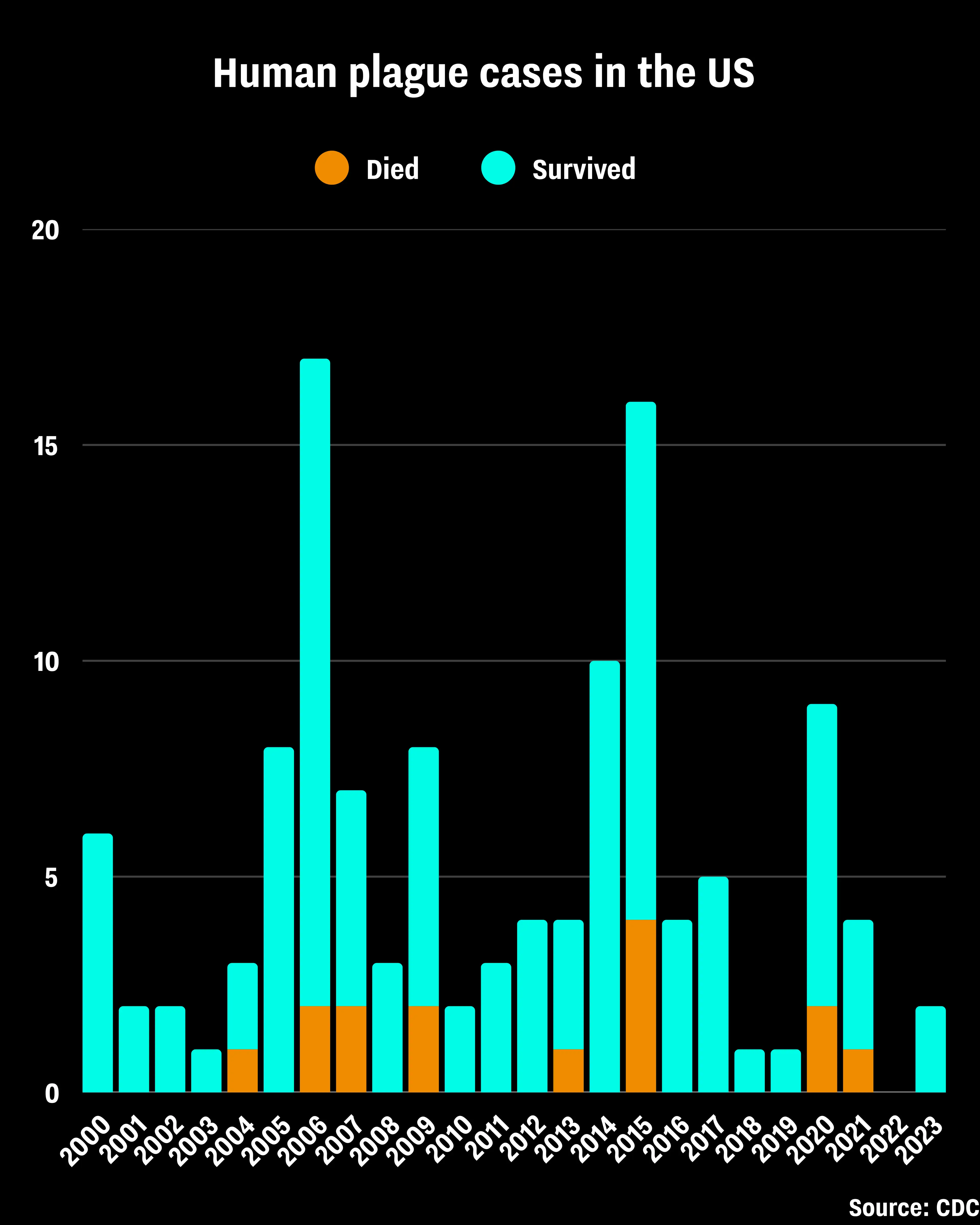
Human plague cases in the US are rare, with an average of around seven human cases per year, the CDC states.The last urban plague epidemic in the United States occurred in Los Angeles from 1924 through 1925.
In the US, 80% of plague cases have been bubonic. As per the CDC, bubonic plague patients 'develop fever, headache, chills, and weakness.'
As well as this, they also experience swollen, painful lymph nodes. This form of the plague usually 'results from the bite of an infected flea.'
As per the site, the most recent epidemics have occurred in Africa, Asia, and South America.
Most human cases have taken place in Africa.
Pneumonic plague 'is always fatal'
As per the World Health Organization, pneumonic plague, which it is suspected Shipilova was exposed to, is 'always fatal' when left untreated.
People can become infected by the pneumonic plague if the breathe in respiratory particles from a patient with the illness.
"The pneumonic and septicaemic forms are invariably fatal unless treated early," WHO states.
Pneumonic plague is 'especially contagious' and 'can trigger severe epidemics through person-to-person transmission via respiratory particles.'
Incubation can be as short as 24 hours.
Despite the pneumonic plague being a serious illness, recovery rates are high if it is treated within 24 hours of onset of symptoms.
 Kiesha Dosanjh