NASA’s Voyager 1 reaches a point so distant its messages take 24 hours to reach Earth

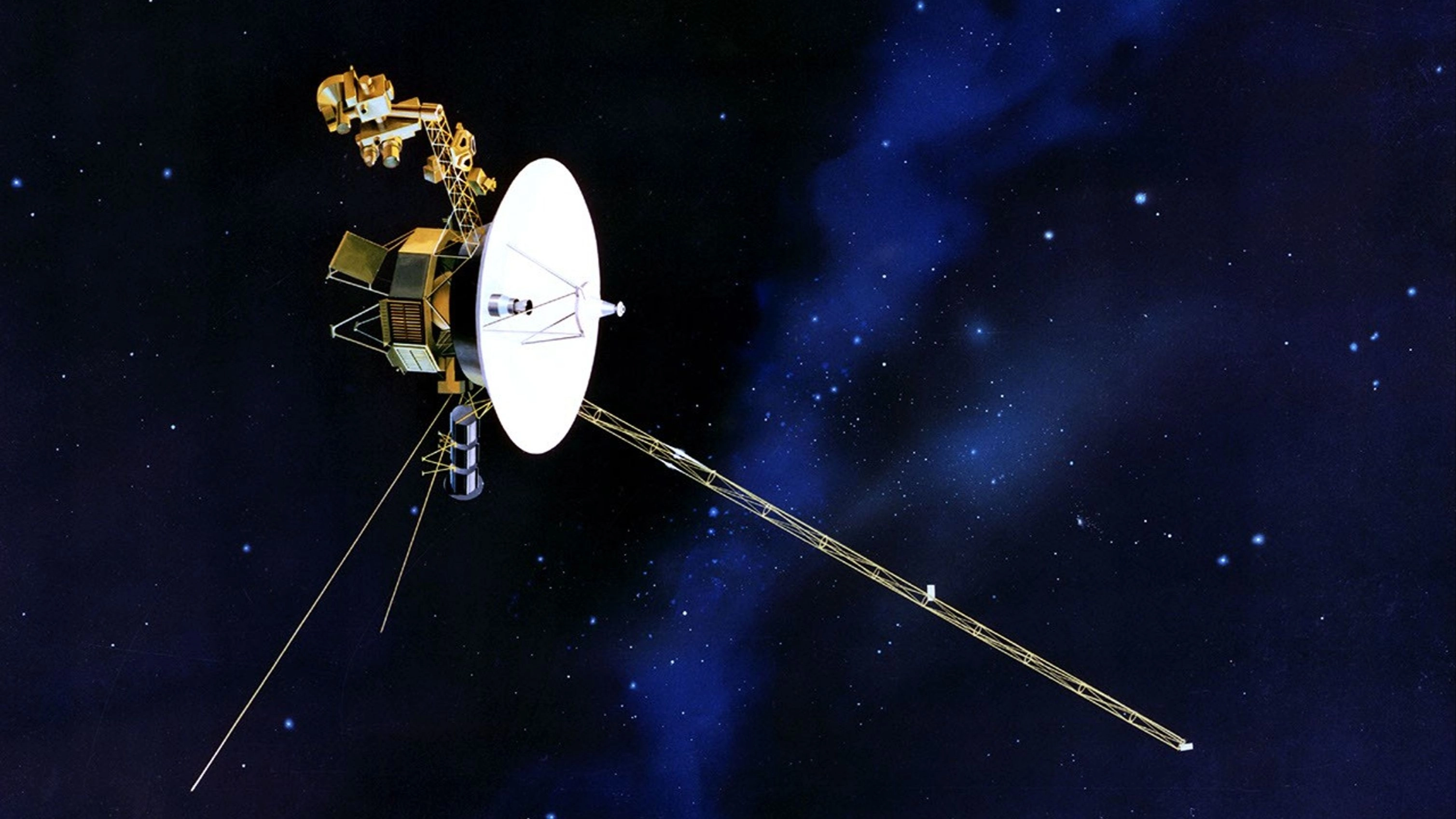
A NASA spacecraft has made history today (November 18) by reaching a distance from Earth that no other human-made object has ever travelled before.
Voyager 1, which has been journeying through space since 1977, reached a staggering milestone at 5:16:07 a.m. EST, when it officially became one light-day away from our planet.
To put that into perspective, a light-day is the distance light can travel in 24 hours – approximately 16 billion miles (26 billion kilometres).
But NASA's Voyager 1's journey is far from over, with the spacecraft currently heading towards a star located more than 17 light-years away from Earth.
Advert
Known as Gliese 445, the star sits in the constellation Ursa Minor, also known as the Little Bear, and Voyager 1 is expected to pass within approximately 1.7 light-years of it in around 40,000 years time...by which point, of course, you and I won't have any idea of the outcome.
But important thing to understand is that Voyager 1 isn't actually travelling to Gliese 445 to explore it.
The mission was originally launched with the aim of exploring the outer planets of our solar system, particularly Jupiter and Saturn.
But after completing those missions, NASA extended its journey to explore the outer limits of the Sun's influence and, eventually, the space beyond it.
Despite travelling at an impressive speed of almost 38,000mph (61,000kph), the spacecraft is still moving at a relatively slow pace compared to the speed of light.
And Voyager 1 is now so far from Earth that it takes an entire 24 hours for a signal to reach the spacecraft.
That means any message sent from our planet takes a full day to get there, with a further day needed for a response to make the return journey.
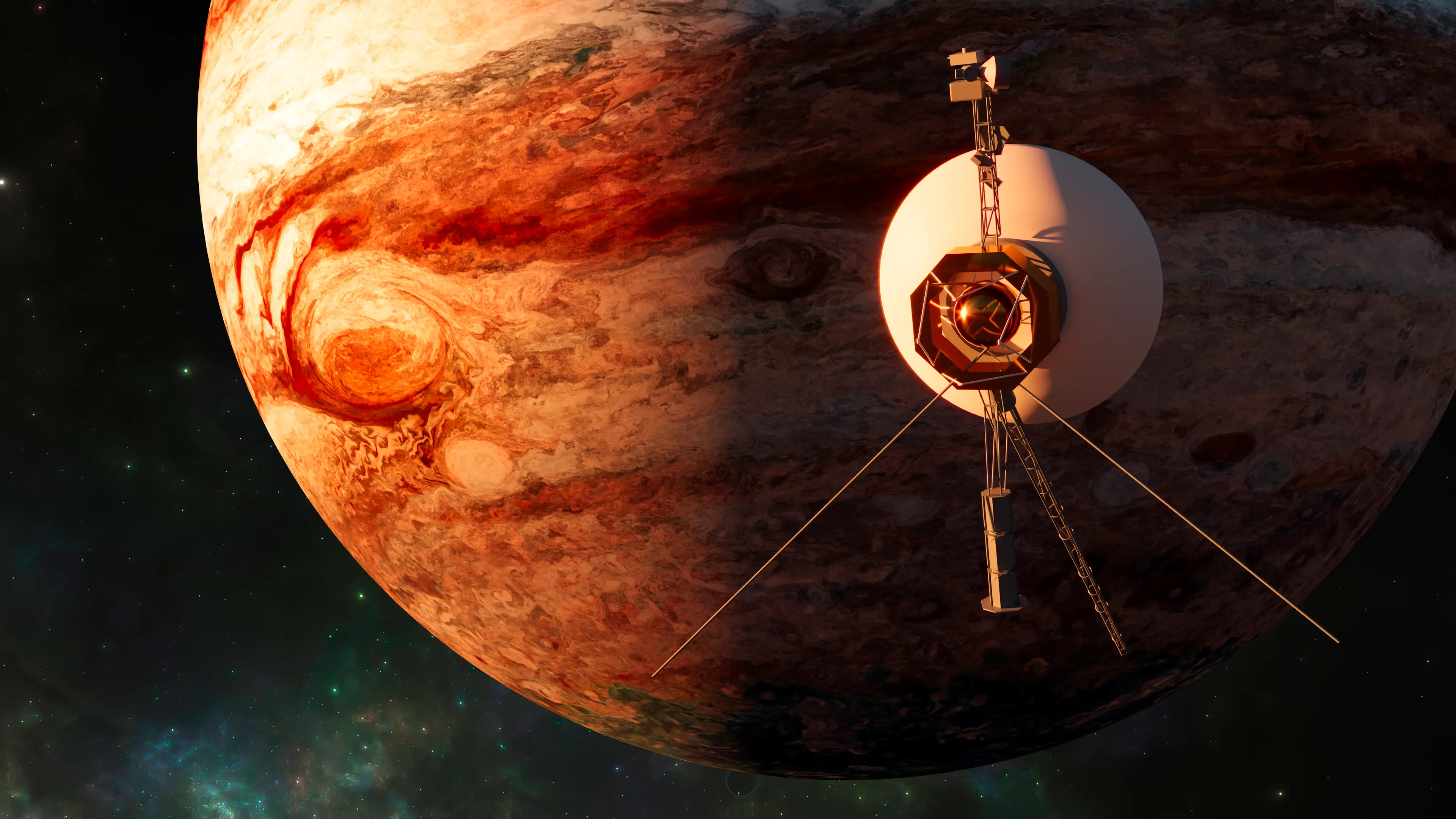
NASA has even created an interactive visualisation tool, known as NASA's Eyes, allowing people to see just how long it takes signals to travel between Earth and the distant spacecraft, despite moving at the fastest speed possible.
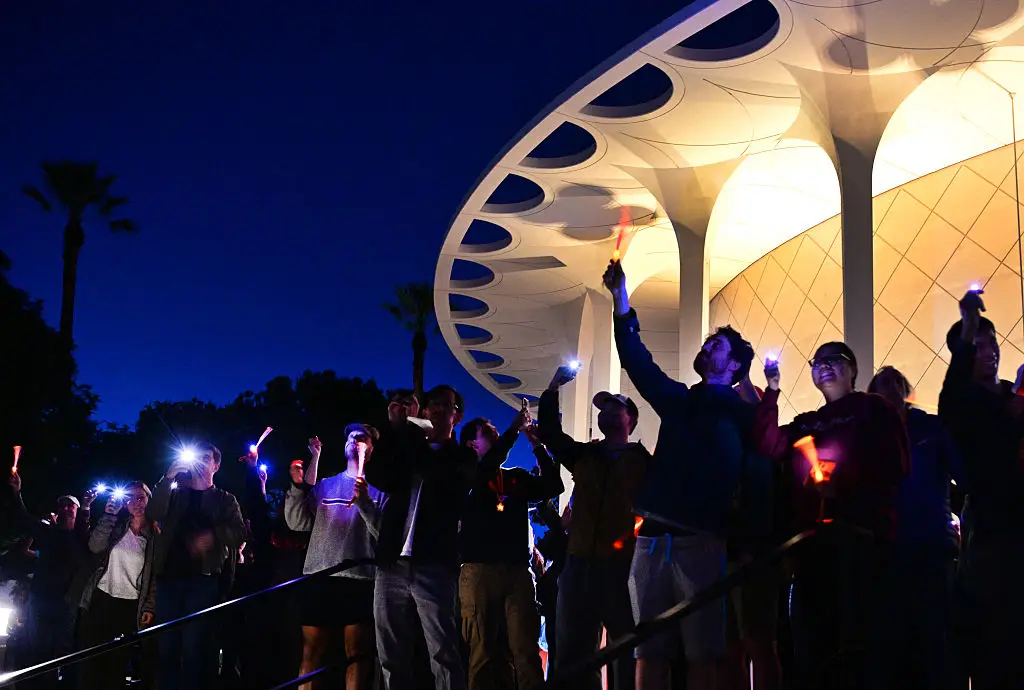
To mark the historic occasion, the space agency encouraged people around the world to get involved by creating a symbolic wave of golden light around the planet.
The initiative invited people to take part after sunset on Tuesday (November 17), using everything from their mobile phone torches and flashlights to entire buildings to send a symbolic message of light towards Voyager 1.
The idea was to bring people together to celebrate the spacecraft's extraordinary journey and its latest record-breaking achievement.
Topics: NASA, Space, Technology, World News
 Mia Williams