7 grim things that can happen to your body in space as Artemis II astronauts return to Earth

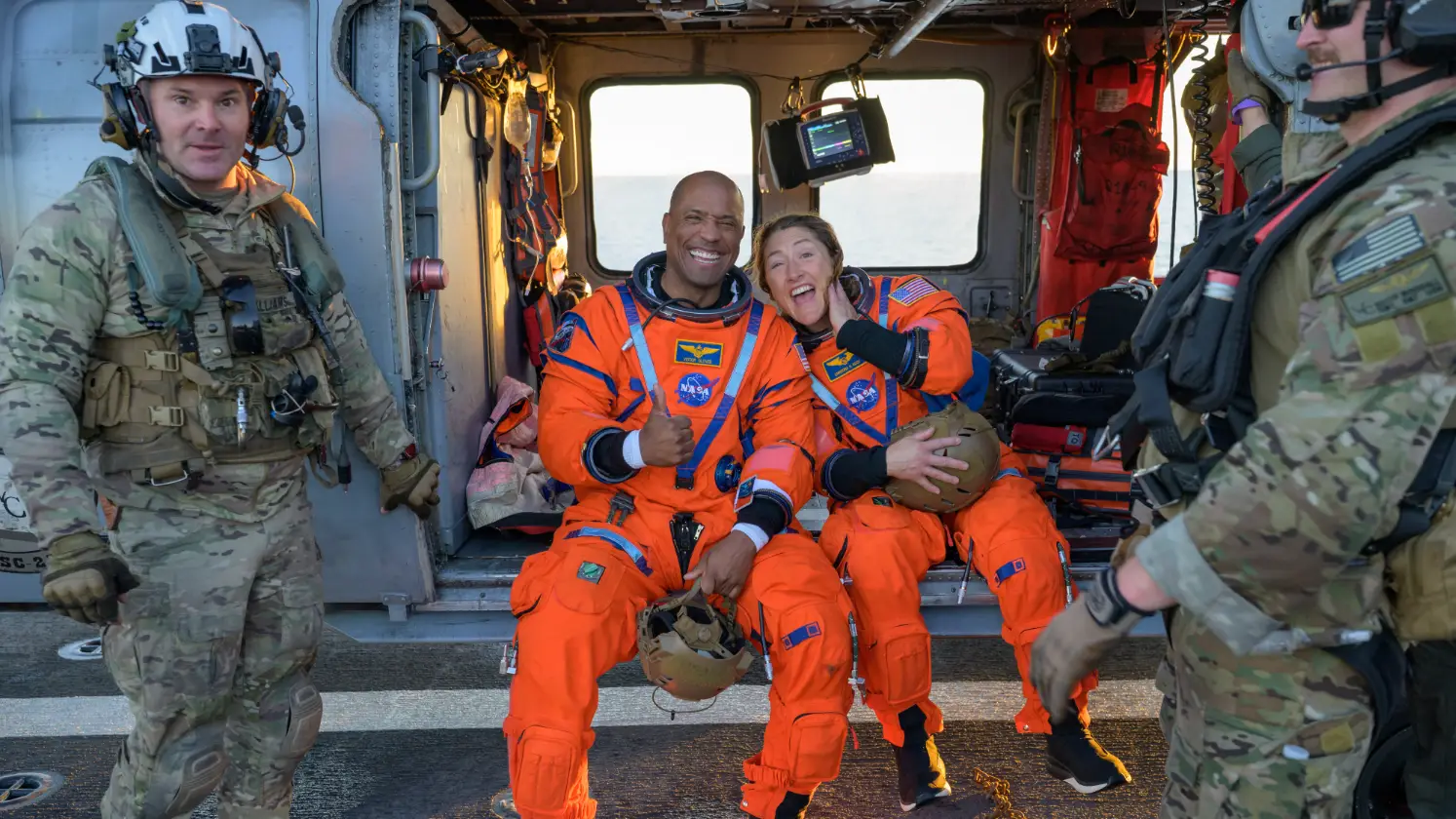
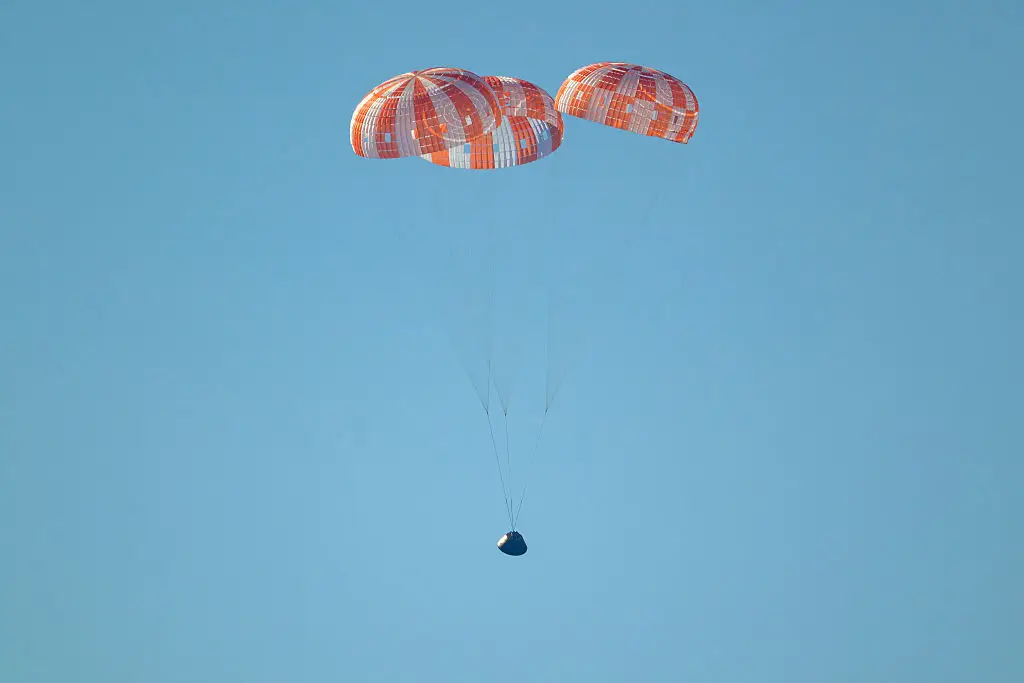
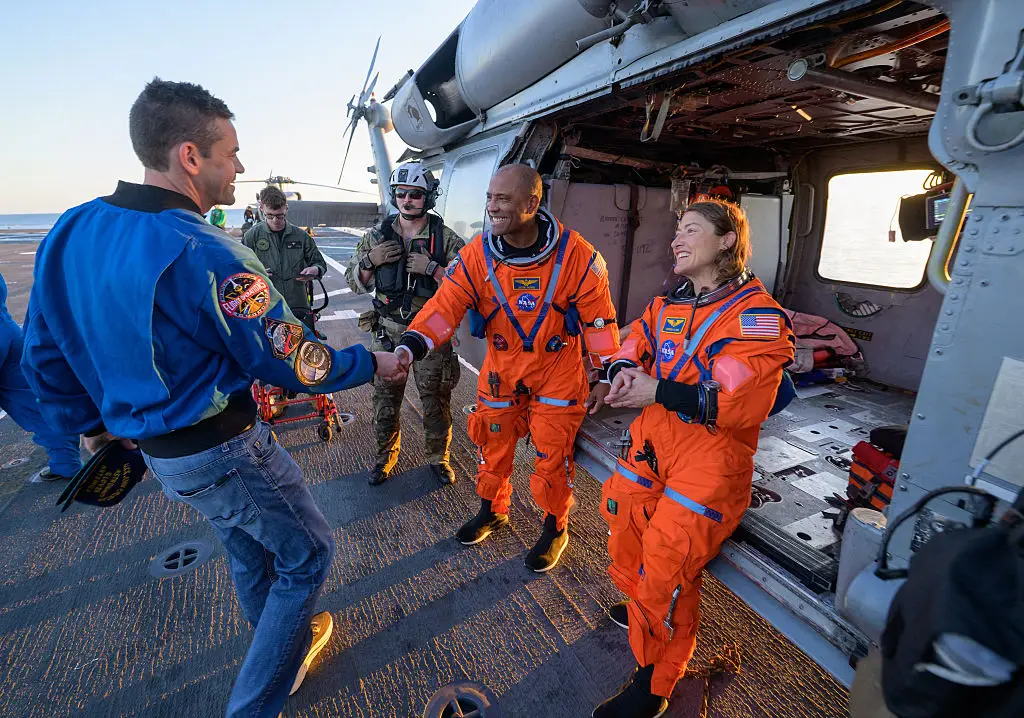
On Friday evening (April 10) the Artemis II successfully splashed down in the Pacific Ocean, off the coast of San Diego, with experts calling the return to Earth 'perfect'.
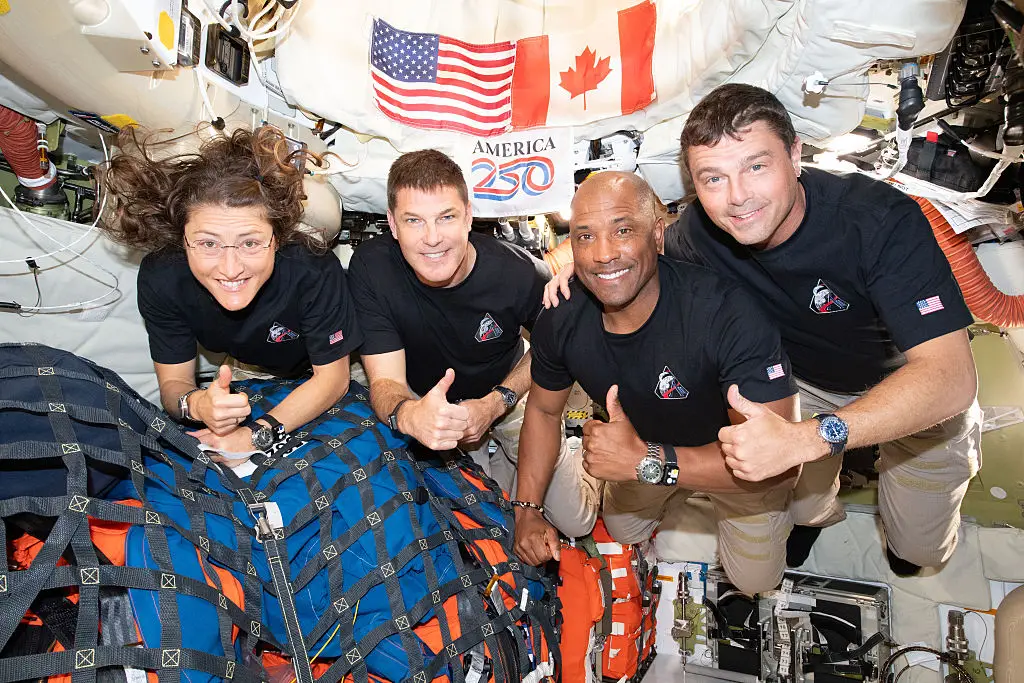
The Artemis team - made up of Reid Wiseman, Victor Glover, Christina Koch and Jeremy Hansen - embarked upon a 10-day mission around the Moon, traveling further into space than ever before.
The splashdown has been hailed as flawless, with NASA commentator Rob Navias describing it as 'a perfect bull's eye splashdown for Integrity and its four astronauts'.
Now, heading up to space is no mean feat, and there's been much reported on exactly what astronauts' bodies endure during their time away from Earth.
Advert
Dr. John DeWitt, who spent 20 years at NASA's Johnson Space Center as the Senior Biomechanist and Exercise Device Project Scientist in Astronaut Health and Performance, recently told UNILAD about the body's ability to adapt in new environments.
The scientist explained: "On Earth, where we live in gravity 24 hours a day, our bodies are used to working against gravity when performing actions like pumping blood back from the legs to the heart and using our lower body and core muscles to maintain balance and posture. In space, the heart doesn't have to work as hard because there is no gravity pulling blood towards our feet, and our posture muscles don't have to work because astronauts just float. As a result, these systems start to weaken."
As per Vice, there are some bodily changes that have been reported by NASA following time spent in space.
Vision changes
NASA has previously spoken about something called Spaceflight-Associated Neuro-ocular Syndrome which is caused by chronic weightlessness.
NASA explain: "Chronic weightlessness can cause bodily fluids such as blood and cerebrospinal fluid to move toward the head, which can lead to optic nerve swelling, folds in the retina, flattening of the back of the eye, and swelling in the brain."
Bone density loss
On longer missions, NASA estimates that bones lose between 1 and 1.5% of their density each month.
They explain: "In microgravity, weight-bearing bones like the spine and hips don’t need to be as strong to support the human body. Consequently, on average, bones lose between 1% and 1.5% of their density each month during four-to-six-month missions.
"... Exercise to reduce the deficits in postflight bone density and strengthen muscle force is an essential component of preventing declines in bone tissue."
Muscle atrophy
Astronauts take part in regular exercise while in space, to help protect their muscles from wasting away. In fact, each member of crew is required to workout for an average of two hours each day.
"Each astronaut aboard the space station engages the muscles, bones, and other connective tissues that comprise their musculoskeletal systems using Earth-like exercise regimens," says NASA.
"Astronauts have biked on stationary bicycles and run on treadmills in space for decades. One of the first missions on the space station flew TVIS, a treadmill with a harness to keep the user tethered to the machine and add some gravity-like force. A current piece of equipment called ARED allows astronauts to mimic weightlifting in microgravity."
Anemia
During long space missions, there's an increased risk of anemia, due to an increased rate of red blood cell destruction.
A paper published in Nature Medicine found that the bodies of astronauts created and destroyed three million red blood cells every second, compared to two million on Earth.
Anemia occurs when too few red blood cells carry oxygen around the body.
“It was first thought that red blood cell destruction occurred in the first days of space flight and then red blood cell control went back to its normal state,” explained principal investigator Guy Trudel at the University of Ottawa. “Now we know hemolysis, or red blood cell destruction, happens for as long as you are in space.”
Blood clots
Over the years, there have been documented reports of blood clots in space, which has led to research into how this happens and why.
Research is still underway into this problem, but NASA explains that it's likely due to the shift of fluid due to the absence of gravity.
"In the absence of gravity, body fluids shift from the legs to the upper body and the head. This shift affects the flow of blood through the vessels in the head. Blood flow patterns are reported to change when astronauts are in space, and interestingly, the degree of change appears to differ between different astronauts," they explain.
Immunity
Can you catch a cold in space? Well, according to reports, the immune system can behave quite differently away from Earth.
In fact, viruses can actually reactivate within the body, for example, the Varicella Zoster Virus (VZV) that causes chickenpox in childhood or shingles in adults.
"This reactivation is typically 'subclinical' in astronauts, meaning they are not truly sick and do not exhibit symptoms. However, the presence of the active viruses is a good indicator that those astronauts are experiencing reduced immunity during a space mission," says NASA.
Radiation
NASA explain that radiation is different in space than it is on Earth.
"Space radiation is made up of three kinds of radiation: particles trapped in the Earth’s magnetic field; particles shot into space during solar flares (solar particle events); and galactic cosmic rays, which are high-energy protons and heavy ions from outside our solar system," says NASA.
"Beyond Low Earth Orbit, space radiation may place astronauts at significant risk for radiation sickness, and increased lifetime risk for cancer, central nervous system effects, and degenerative diseases. Research studies of exposure in various doses and strengths of radiation provide strong evidence that cancer and degenerative diseases are to be expected from exposures to galactic cosmic rays (GCR) or solar particle events (SPE)."
Topics: NASA, News, Space, World News, Health
 Lucy Devine